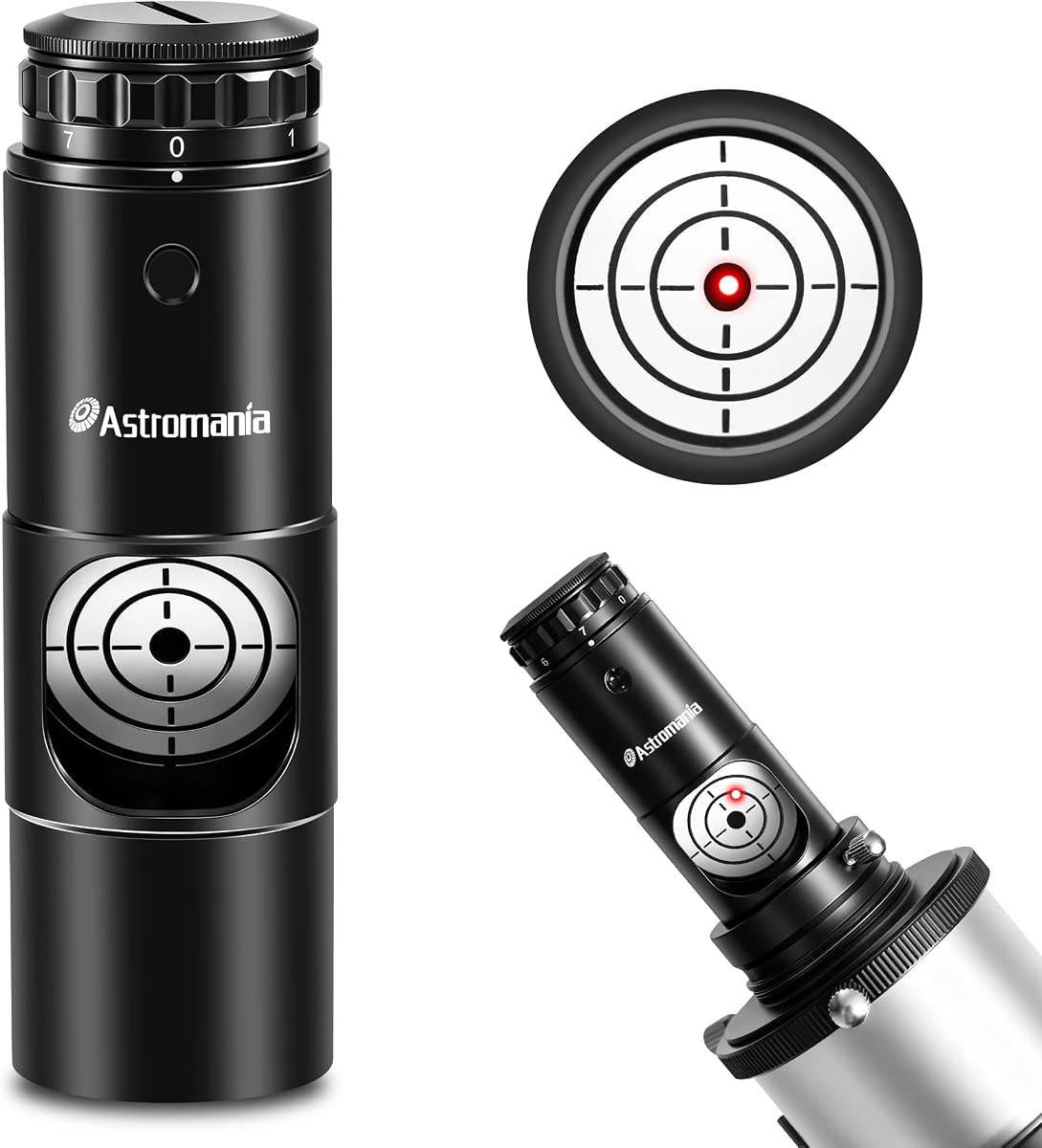
Astromania Laser Collimator 1.25"
4.5Editor score
Fits 1.25 inch focusers
Adjustable brightness levels
Durable metal body
Choosing the right laser collimator for telescope alignment is crucial for achieving sharp, clear views through your reflector or Newtonian telescope. A good tool ensures your optical axis is perfectly aligned, maximizing image quality and reducing aberrations during observation sessions.
We evaluated ten leading collimators based on build quality, ease of use, calibration stability, and compatibility with standard focusers. Our analysis focuses on practical performance, safety features, and user feedback to help you find a reliable alignment solution.
Each pick highlights key strengths and ideal use cases for different telescope setups and budgets. Note that product availability and pricing can fluctuate over time, so verify current details before making your final purchase decision online.
4.5Editor score

4.5Editor score
4.7Editor score
As an Amazon Associate we earn from qualifying purchases.
The following comparison table highlights key specifications and features for each laser collimator for telescope alignment tool featured in this guide to help you make an informed decision.


The Astromania Laser Collimator Telescope Alignment ranks as our top pick due to its versatility and reliable performance for Newtonian scope alignment.
We may earn a commission when you buy through this link, at no additional cost to you.
It features a removable adapter for both 1.25 and 2 inch focusers and includes a side window to check reflection alignment.
While the device is robust and easy to handle, it ships with a single battery and no protective case which could be useful.
Astrophotographers and visual observers seeking a dependable laser collimator for telescope alignment should consider this balanced and practical option.
The removable 2 inch adapter allows seamless compatibility with different focuser sizes without needing extra tools.
A dedicated side window enables you to verify that the laser reflects back on itself for precise collimation.
We may earn a commission when you buy through this link, at no additional cost to you.
For budget-conscious buyers, this Astromania 1.25 inch laser collimator delivers solid accuracy and durability without breaking the bank.
We may earn a commission when you buy through this link, at no additional cost to you.
Its metal construction ensures longevity while the 7-level brightness control helps visibility in varied lighting conditions during setup.
The limitation to 1.25 inch focusers might require adapters for larger tubes, but it remains an excellent entry level choice.
New telescope owners looking for an affordable laser collimator for telescope alignment will find this model both capable and user-friendly.
This model offers core collimation features at a lower price than many competitors with similar build quality.
Seven adjustable brightness levels ensure the red laser is visible in both bright workshops and dark skies.
We may earn a commission when you buy through this link, at no additional cost to you.
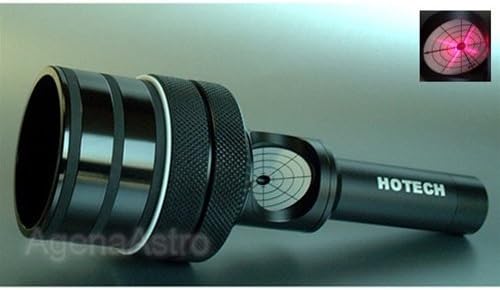
The HoTech SCA Laser Collimator stands out with its patented self-centering adapter that eliminates alignment errors common in standard tools.
We may earn a commission when you buy through this link, at no additional cost to you.
By removing slop between the laser and focuser, this tool ensures precise and repeatable collimation for demanding imaging sessions.
The premium price reflects its engineering, and it requires a specific CR123 battery which may be less common than others.
Serious astronomers and astrophotographers needing top tier accuracy will value this laser collimator for telescope alignment investment.
The SCA adapter centers the laser perfectly inside the focuser preventing off-axis errors during use.
Its design ensures consistent results across multiple uses without needing recalibration between sessions.
We may earn a commission when you buy through this link, at no additional cost to you.
SVBONY provides a robust laser collimator with dual focuser compatibility and a solid metal body for reliable long-term use.
We may earn a commission when you buy through this link, at no additional cost to you.
The triple cemented lens stabilizes the red dot while the adjustable brightness suits various ambient light conditions effectively.
One drawback is the absence of an included battery requiring a quick purchase separately before you can start using it.
Stargazers needing a compact and durable collimator for telescope alignment will appreciate this versatile and well-built option.
Triple cemented lenses reduce beam drift and improve the stability of the projected red dot.
Designed to simplify alignment tasks so users can finish setup in minutes without frustration.
We may earn a commission when you buy through this link, at no additional cost to you.
This SVBONY bundle adds an eyepiece to the laser collimator package offering extra value for telescopes needing viewing accessories.
We may earn a commission when you buy through this link, at no additional cost to you.
The 62 degree wide angle eyepiece enhances viewing comfort while the collimator maintains accurate alignment for reflector scopes.
Since product ratings are not yet available for this newer bundle buyers should review recent feedback before purchasing online.
Users seeking a complete alignment and viewing kit might find this combination convenient for their astronomy setup needs.
Combining collimator and eyepiece saves time and money compared to buying components separately.
The included eyepiece offers a wide apparent field for immersive viewing sessions.
We may earn a commission when you buy through this link, at no additional cost to you.
Alstar delivers a straightforward and durable laser collimator designed specifically for 1.25 inch Newtonian telescope focusers.
We may earn a commission when you buy through this link, at no additional cost to you.
Its metal construction resists wear while the side window allows quick checks on laser reflection during adjustment sessions.
Note that the battery is not included and the unit does not support larger 2 inch focusers without additional adapters.
Beginners and hobbyists with smaller telescopes will find this reliable and easy to use alignment tool sufficient for their needs.
Detailed bilingual guidance helps new users learn how to adjust telescopes correctly without confusion.
Solid metal housing ensures the tool withstands transport and frequent use over years.
We may earn a commission when you buy through this link, at no additional cost to you.
This Alstar model includes both a 2 inch adapter and a CR2032 battery making it ready to use out of the box.
We may earn a commission when you buy through this link, at no additional cost to you.
The 7-level brightness adjustment allows visibility in various lighting conditions while the metal body ensures lasting durability.
Some users report mixed experiences with alignment stability so checking recent buyer feedback before purchase is advisable.
Telescope owners needing immediate collimation capabilities without extra purchases may prefer this well-rounded and budget-friendly option.
Inclusion of adapter and battery removes extra steps before you can begin aligning your scope.
Multiple brightness settings help adapt the beam to bright workshops or dark observing sites.
We may earn a commission when you buy through this link, at no additional cost to you.
This bundle combines a collimator with a cell phone adapter enabling smartphone astrophotography alongside precise telescope alignment.
We may earn a commission when you buy through this link, at no additional cost to you.
The phone clamp fits most devices securely while the laser helps you align optics for sharper imaging results.
Phone compatibility depends on size and model so check specifications to ensure your smartphone will work with the mount.
Imaging enthusiasts seeking an all-in-one solution for setup and capture will find this versatile bundle particularly appealing.
The included adapter helps you attach mobile phones to capture images through your telescope eyepiece.
High density EVA pads protect your device while the steel bolt ensures a firm hold.
We may earn a commission when you buy through this link, at no additional cost to you.
This SVBONY bundle pairs a laser collimator with a Cheshire eyepiece offering two distinct methods for accurate telescope alignment.
We may earn a commission when you buy through this link, at no additional cost to you.
Use the Cheshire in daylight for secondary alignment and switch to the laser for primary mirror collimation at night.
The combination provides robust options for different conditions but adds some bulk to your observing kit compared to a single tool.
Users wanting a complete optical alignment kit will appreciate this versatile and highly rated dual-method solution.
Using both laser and Cheshire allows precise alignment at any time of day or night.
The Cheshire eyepiece requires no battery and works well for daylight secondary mirror adjustments.
We may earn a commission when you buy through this link, at no additional cost to you.
The Ocal Pro V4.0 introduces electronic precision with software guided calibration circles for highly accurate and repeatable alignment.
We may earn a commission when you buy through this link, at no additional cost to you.
It is engineered for Newtonian and Schmidt Cassegrain scopes and offers factory centered pixel-level accuracy out of the box.
While it promises advanced capabilities, its high price and lack of published ratings make it suitable only for tech-savvy users.
Professional users wanting cutting-edge alignment tools might find this electronic collimator for telescope alignment compelling for critical imaging work.
Built-in software helps adjust optical axis quickly with guided calibration circles and visual feedback.
Factory-centered design ensures you begin with optimal baseline accuracy for precise collimation sessions.
We may earn a commission when you buy through this link, at no additional cost to you.
Selecting the right collimator requires understanding your telescope type focuser size and desired precision level. Below are key factors to evaluate.
Ensure the collimator fits your focuser size 1.25 inch or 2 inch. Some include removable adapters which increase versatility for different scopes.
Check adapter availability before buying if you own multiple telescopes with different focuser standards.
Adjustable brightness settings let you adapt to workshop lighting or dark sky conditions. Look for 7-level control to manage visibility.
A dimmable beam reduces glare and helps you see the reflection point clearly during alignment.
Metal bodies provide durability and stability against knocks or temperature changes. Plastic units may be lighter but less robust.
Anodized aluminum finishes resist scratches and corrosion for long-term reliability in outdoor setups.
Premium models use self-centering adapters to eliminate slop between the laser and focuser. This improves repeatable accuracy for imaging.
Standard models rely on compression rings or thumbscrews that can shift slightly during use.
Most collimators use CR2032 batteries but high-end units may require CR123. Check availability and cost before buying.
Ensure the package includes a battery if you want immediate use without additional purchases.
A side window helps you see the reflected laser beam for confirmation. This feature speeds up alignment without looking into the eyepiece.
Not all collimators have this so verify it is included if you need quick checks during setup.
Bundles often add Cheshire eyepieces or phone adapters. These offer value but can increase cost or bulk.
Assess if extras match your needs before spending more on packages versus standalone collimators.
Prices vary widely from budget to premium options. Higher cost often reflects better engineering and accuracy.
Look for warranties or return policies that protect your purchase if calibration drifts over time.
Install the battery and turn on the laser to project a beam. Insert the collimator into the telescope focuser and tighten gently to avoid tilting.
Adjust the collimation screws on your primary mirror until the laser dot centers on the marked spot. Use the side window to confirm reflections.
Store the device in a protective case and avoid extreme temperatures to maintain calibration. Replace batteries when brightness drops significantly.
Ideally use it before each observing session especially if the scope has been moved or knocked. Frequent use keeps your optics aligned and improves image quality consistently.
They are primarily designed for reflectors and Newtonian scopes. Refractors usually do not need collimation but a Cheshire tool can help align optics if required.
Drift may indicate poor centering or low battery. Replace batteries and check that the adapter is tightened firmly in the focuser.
Electronic collimators offer precise guidance but cost more and may be overkill for visual use. Laser collimators are simpler and effective for most observers.
High quality models maintain calibration but extreme impacts may require checking. Verify by reflecting the beam onto a target to ensure it stays on center.
Yes if you avoid pointing at eyes or reflective surfaces. Keep brightness low to preserve night vision and follow laser safety class guidelines.
Our top picks include the Astromania models for budget value and the HoTech SCA for premium precision. Each serves distinct needs across telescope types and user experience levels.
Prioritize focuser compatibility and durability when selecting a collimator. Features like brightness control and side windows enhance ease of use significantly.
Always check current availability and product details as offerings may change over time. Confirming specifications ensures you receive the best tool for your alignment needs.