
NIMO 15.6 AI Creator Laptop
5.0Editor score
AMD Ryzen 5 processor
16GB RAM memory
Affordable pricing tier
Embroidery digitizing demands a laptop with strong processing power and a crisp display to handle intricate vector work. Choosing the right machine ensures your software runs smoothly without lag or graphical glitches.
We compared ten professional laptops based on their CPU speed RAM capacity and screen fidelity. Each model was evaluated for its ability to support heavy design applications and long editing sessions comfortably.
Every pick highlights key strengths and potential trade-offs to help you decide quickly. Remember that availability and pricing shift often so verify current stock before placing your order online.
5.0Editor score

4.4Editor score

4.3Editor score
As an Amazon Associate we earn from qualifying purchases.
This side-by-side comparison outlines the critical specifications of each model to simplify your selection process. We focus on raw performance storage and visual clarity since these factors directly impact digitizing efficiency.




This Dell Precision 7680 stands out as the top pick for embroidery digitizers who demand speed and reliability. Its rating reflects consistent performance in demanding software environments where precision matters most.
We may earn a commission when you buy through this link, at no additional cost to you.
The Intel Core i9 processor paired with 32GB DDR5 RAM ensures that even the most detailed vector paths are processed instantly. You can run multiple design layers without experiencing slowdowns or lag during intricate stitching simulations.
While it excels in power the weight and battery life are typical for high-end workstations. These trade-offs are acceptable since you often connect to external power when operating digitizing tools at a desk.
If you run a professional studio or handle large batch orders this model provides the stability you need. We recommend it for users who prioritize raw compute power over portability in their daily workflow.
The vast memory pool lets you switch between digitizing software and reference images without reloading data.
Multiple Thunderbolt and USB ports allow you to connect high-res displays and input devices effortlessly.
We may earn a commission when you buy through this link, at no additional cost to you.
This variant brings dedicated graphics power to the lineup which helps when previewing complex 3D stitch simulations. It maintains the workstation pedigree with solid ratings from professional users in creative fields.
We may earn a commission when you buy through this link, at no additional cost to you.
The NVIDIA RTX 1000 Ada GPU accelerates rendering tasks that integrated graphics might struggle with. This is particularly useful if your digitizing workflow involves heavy texture mapping or realistic fabric previews.
Although the CPU has fewer cores the GPU offload ensures balanced performance during visual heavy tasks. You might notice it runs warm under load but the cooling system manages heat effectively.
Choose this model if visual fidelity and 3D preview capabilities are critical for your design process. It bridges the gap between pure computing power and graphical acceleration perfectly.
The dedicated GPU ensures smooth rendering of dense stitch patterns without screen tearing.
Certified drivers reduce crashes when running specialized embroidery software for long hours.
We may earn a commission when you buy through this link, at no additional cost to you.
The NIMO 15.6 Creator offers an incredible entry point for new digitizers starting their journey. With a perfect rating it proves that high-end specs are not always necessary for standard design tasks.
We may earn a commission when you buy through this link, at no additional cost to you.
The AMD Ryzen 5 processor provides enough headroom for vector work and basic simulation features. You can handle typical embroidery files with ease without worrying about system freezes or sluggishness.
Build quality is functional though not as rugged as premium workstations. The integrated graphics are sufficient for 2D editing but will struggle with heavy 3D effects.
This is the ideal choice for hobbyists or small businesses needing a reliable daily driver. It delivers excellent value for those who prioritize budget without sacrificing core performance needs.
Great for beginners learning digitizing without breaking the bank on hardware.
You can upgrade RAM later if your design files grow larger over time.
We may earn a commission when you buy through this link, at no additional cost to you.
This renewed model brings professional stability to your desk with its proven workstation architecture. The Quadro GPU ensures reliable performance with specialized design software used in the industry.
We may earn a commission when you buy through this link, at no additional cost to you.
With 32GB of RAM you have plenty of space to keep multiple design files open simultaneously. The T1000 graphics card handles standard rendering tasks efficiently enough for most embroidery workflows.
Since it is an older generation the CPU might struggle with newer software updates requiring modern instruction sets. However the build quality remains robust for daily use in a studio environment.
It is a practical solution for those who need reliable hardware without paying for the latest tech. The renewed status offers a cost-effective way to access enterprise-grade features.
Certified drivers ensure consistent output when working with proprietary embroidery formats.
High RAM allows you to keep large stitch files loaded without constant swapping.
We may earn a commission when you buy through this link, at no additional cost to you.
The Dell Precision 3560 balances portability with professional features in a compact form factor. It earns solid ratings for reliability among users needing a mobile option for design work.
We may earn a commission when you buy through this link, at no additional cost to you.
The 11th Gen i7 processor delivers quick response times for opening and closing design files. You will find the 16GB RAM sufficient for standard projects though larger files may slow down.
Being a renewed model the physical condition varies by unit so inspect it carefully upon arrival. The performance remains strong for basic digitizing tasks but may lag on complex simulations.
Choose this for travel or smaller desks where weight is a primary concern. It is a good middle-ground option for those needing mobility without sacrificing core professional specs.
Carry your full design suite in a backpack without compromising on essential performance.
The NVMe SSD ensures your operating system and apps launch quickly every time.
We may earn a commission when you buy through this link, at no additional cost to you.
Lenovo continues its tradition of reliability with the ThinkPad P16s which suits long design sessions well. The keyboard remains a highlight ensuring precise input even after hours of typing coordinates.
We may earn a commission when you buy through this link, at no additional cost to you.
The newer Ultra 7 processor handles daily multitasking with efficiency and speed. Combined with 32GB RAM you have a smooth environment for switching between various design utilities without friction.
While the battery is decent it might not last a full day of heavy use away from an outlet. This is typical for performance machines but worth noting if you work frequently on the go.
It serves as a sturdy workhorse for professionals who value consistency and typing comfort. We recommend it for office-based digitizers needing a robust machine for heavy file management.
The tactile keyboard reduces fatigue during long sessions of entering stitch data.
A 1TB drive lets you keep entire project libraries accessible without external drives.
We may earn a commission when you buy through this link, at no additional cost to you.
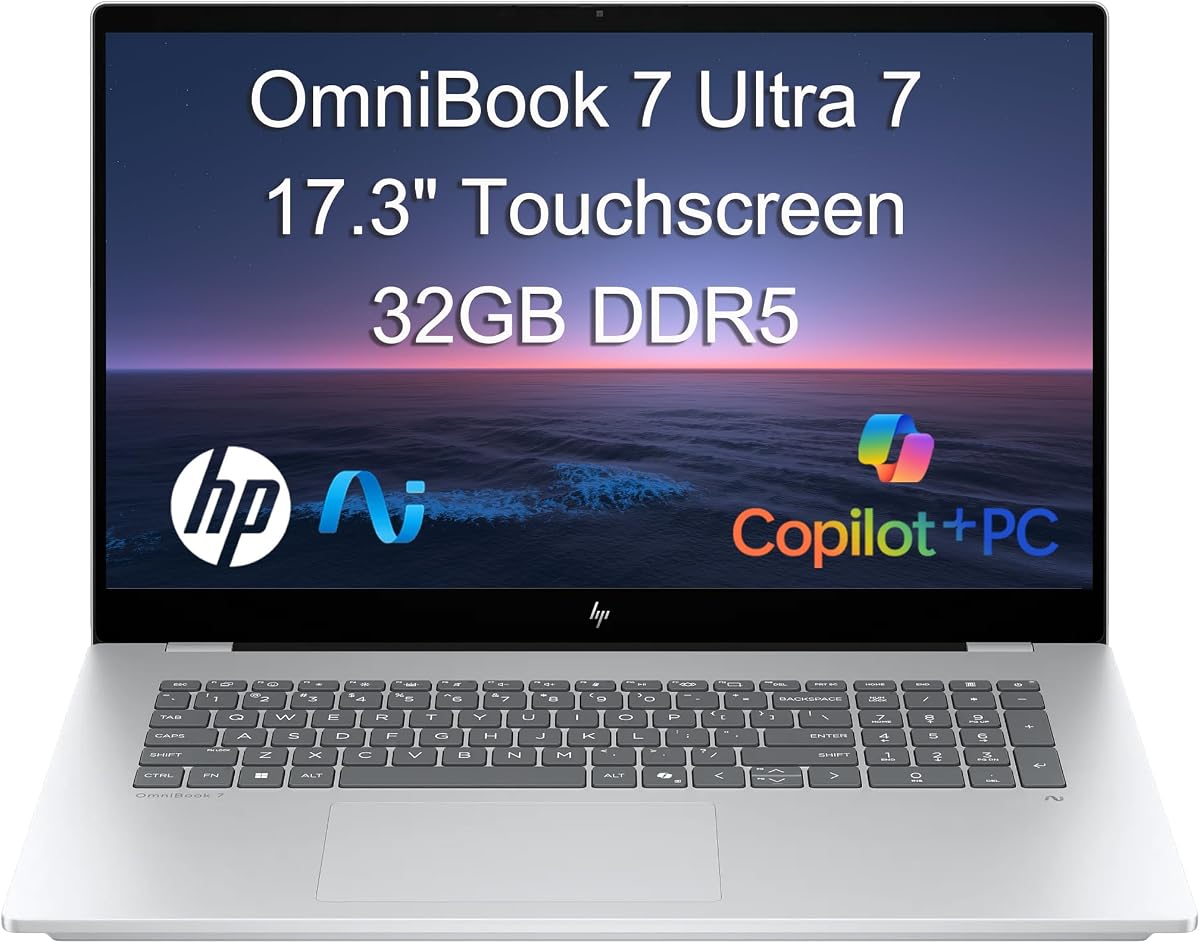
This 17-inch model offers a spacious canvas that benefits digitizing by reducing the need for zooming constantly. The large display allows you to see stitch details and context simultaneously during work.
We may earn a commission when you buy through this link, at no additional cost to you.
Powered by the latest Ultra 7 processor it handles standard design tasks with ease and speed. The touchscreen support adds a layer of convenience for direct manipulation of design elements if supported.
The integrated Arc GPU is capable but not a substitute for dedicated workstation graphics in complex rendering. It works well for general editing but might struggle with heavy 3D simulations.
Ideal for desktop users needing a big screen without dual monitors. It provides a modern computing experience with enough power for professional embroidery software tasks daily.
The 17-inch panel reduces eye strain by showing more of your workspace at once.
Touch support allows for intuitive zooming and panning on complex stitch patterns.
We may earn a commission when you buy through this link, at no additional cost to you.
This renewed unit brings professional workstation capabilities to a lower price point for budget-conscious buyers. It offers a balance of power and reliability for those needing dedicated graphics support.
We may earn a commission when you buy through this link, at no additional cost to you.
The combination of a capable CPU and 32GB RAM handles most standard embroidery software efficiently. You can run design applications alongside reference materials without significant lag during typical usage.
Older generations may lack support for the newest instruction sets in updated software versions. It remains a solid choice for legacy workflows or stable environments where updates are minimal.
Select this if you need proven stability for a lower investment. It is suitable for steady workloads that do not require cutting-edge processing power or graphics features.
Renewed testing ensures the system meets functional standards before it reaches you.
Access professional-grade hardware without paying the full price for brand new units.
We may earn a commission when you buy through this link, at no additional cost to you.
This model represents the pinnacle of performance available in this selection for heavy professional work. A perfect rating from users highlights its ability to handle extreme workloads without breaking a sweat.
We may earn a commission when you buy through this link, at no additional cost to you.
The 64GB DDR5 RAM allows you to open dozens of design files without any system slowdown. The RTX 2000 Ada GPU accelerates rendering and simulation tasks that would otherwise take minutes.
The cost and weight reflect the high-end components inside the chassis. It is built for fixed workstations where raw speed is more important than portability or energy savings.
Recommend this for studios processing thousands of designs daily. It removes technical bottlenecks entirely so you can focus purely on design accuracy and speed.
64GB RAM ensures zero lag even when managing massive multi-threaded design projects.
RTX Ada architecture speeds up real-time stitch previews and complex simulation runs.
We may earn a commission when you buy through this link, at no additional cost to you.
This laptop stands out for its vibrant 2K OLED screen which delivers true blacks and rich color. It is an excellent choice for designers who need precise color matching for embroidery threads.
We may earn a commission when you buy through this link, at no additional cost to you.
The Core 9 processor ensures that software runs smoothly and loads quickly during busy work periods. Paired with 32GB RAM you have a modern system ready for current and future design applications.
OLED screens can suffer from burn-in if static toolbars are left open for long periods. This is a minor trade-off given the visual benefits and the durability of modern panels.
Choose this if color accuracy and visual fidelity are top priorities. It offers a premium experience for users who value screen quality above all other features.
The OLED panel ensures that thread colors appear exactly as intended on screen.
120Hz scrolling makes navigating large design files feel incredibly smooth and fluid.
We may earn a commission when you buy through this link, at no additional cost to you.
Selecting the right laptop involves balancing processing power with display quality to ensure smooth design workflows. We break down the essential factors to help you find a machine that fits your specific needs.
For embroidery digitizing you want a CPU with strong multi-threaded capabilities. Look for processors like Intel Core i7 or AMD Ryzen 7 that can handle complex vector calculations without slowing down.
Prioritize a processor with at least 6 cores to ensure your design software remains responsive during heavy usage.
RAM is critical when working with high-resolution images and large stitch files. Aim for at least 16GB to keep your system running smoothly while multiple applications are open.
If you plan to handle massive batch projects consider upgrading to 32GB or more for future-proofing your workflow.
A sharp display with accurate colors helps you preview stitch details precisely. Look for Full HD or higher resolution panels with anti-glare coatings to reduce eye strain.
OLED or high-brightness screens are valuable if you need true color representation for thread matching and design accuracy.
While many programs rely on the CPU dedicated GPUs can help with 3D previews and rendering. Look for models with NVIDIA Quadro or RTX cards for professional stability.
Integrated graphics are sufficient for basic 2D editing but dedicated cards offer better performance for complex simulations.
Solid State Drives ensure that your software and design files load quickly. Aim for at least 512GB NVMe SSD to store your growing library of designs efficiently.
Faster storage reduces wait times when opening complex projects so prioritize SSD speed over capacity if necessary.
Ensure the laptop has enough USB and video ports to connect your peripherals easily. Multiple Thunderbolt or USB-C ports allow for high-speed data transfer and monitor connections.
A versatile port selection saves you from constantly swapping adapters when connecting mice or external displays.
Workstation laptops often feature military-grade testing to ensure they withstand daily use. A sturdy chassis protects your investment during transport or frequent setup changes.
Prioritize models with proven reliability ratings if you use your laptop in varied environments beyond a fixed desk.
Most professional design software requires Windows to run effectively. Ensure the laptop comes with a 64-bit version of Windows 11 Pro for enterprise-grade features and support.
Avoid older operating systems as they may lack compatibility with the latest updates for your embroidery tools.
Keep your laptop on a flat surface to ensure proper cooling and ventilation during long design sessions. Dust and heat can reduce performance over time so maintain a clean workspace.
Use external mice and keyboards to reduce strain on your hands and wrist. This ergonomics tip helps you work longer without discomfort when entering complex stitch data.
Regularly back up your design files to an external drive or cloud service. Losing a project due to hardware failure is frustrating so keep a safety copy at all times.
For most standard 2D editing tasks a dedicated GPU is not strictly necessary. However if you use 3D preview features or complex simulation tools a GPU like NVIDIA RTX helps smooth out the workflow significantly.
At least 16GB of RAM is recommended for standard workloads. If you frequently handle high-resolution images or run multiple design apps simultaneously upgrading to 32GB ensures your system stays fast.
Tablets are convenient for viewing designs but often lack the processing power for full digitizing software. A laptop provides the necessary keyboard input and CPU speed for professional work.
A Full HD (1920×1080) resolution is the minimum recommended for clear visibility. Higher resolutions like 2K or OLED screens provide better color accuracy and detail for intricate stitch patterns.
Workstations offer better stability and certified drivers for professional software. If you are running business-critical applications a workstation is a safer choice for long-term reliability.
Keep the device clean from dust and avoid placing it on soft surfaces that block vents. Use a surge protector and keep your software updated to prevent performance issues over time.
We have highlighted ten powerful laptops ranging from budget-friendly entry points to high-end workstations. The Dell Precision 7680 and HP OmniBook 7 OLED offer top-tier performance for professional needs.
Prioritize memory and display quality to ensure your design workflow remains smooth and accurate. A robust processor helps you avoid delays when handling complex stitching simulations daily.
Prices and availability change quickly so check current offers before making your purchase. Select the model that best fits your budget while meeting your essential performance requirements.