
TempPro TempAir Digital Hygrometer Indoor Thermometer
4.6Editor score
Compact mini size
Face icon indicator
Three way mount options
This guide compares the top 10 greenhouse thermometers for accuracy, features, and durability to help you monitor plant environments effectively in 2026.
Maintaining optimal conditions in your greenhouse is essential for healthy plant growth. A reliable thermometer helps you track temperature and humidity levels accurately. Choosing the right device ensures your plants thrive throughout the changing seasons.
We evaluated ten top-rated thermometers based on accuracy, display clarity, and additional features like data logging. Each product was reviewed for its suitability in humid greenhouse environments. Our analysis focuses on practical performance for gardeners and growers alike.
Each pick highlights key strengths and ideal use cases for different greenhouse setups. Prices and availability may change frequently so verify details before purchasing. This guide aims to simplify your decision-making process for better gardening outcomes.
4.6Editor score

4.5Editor score

4.3Editor score
The following table provides a quick side-by-side comparison of all ten selected thermometers. Review the specifications to find the best match for your specific greenhouse monitoring needs.


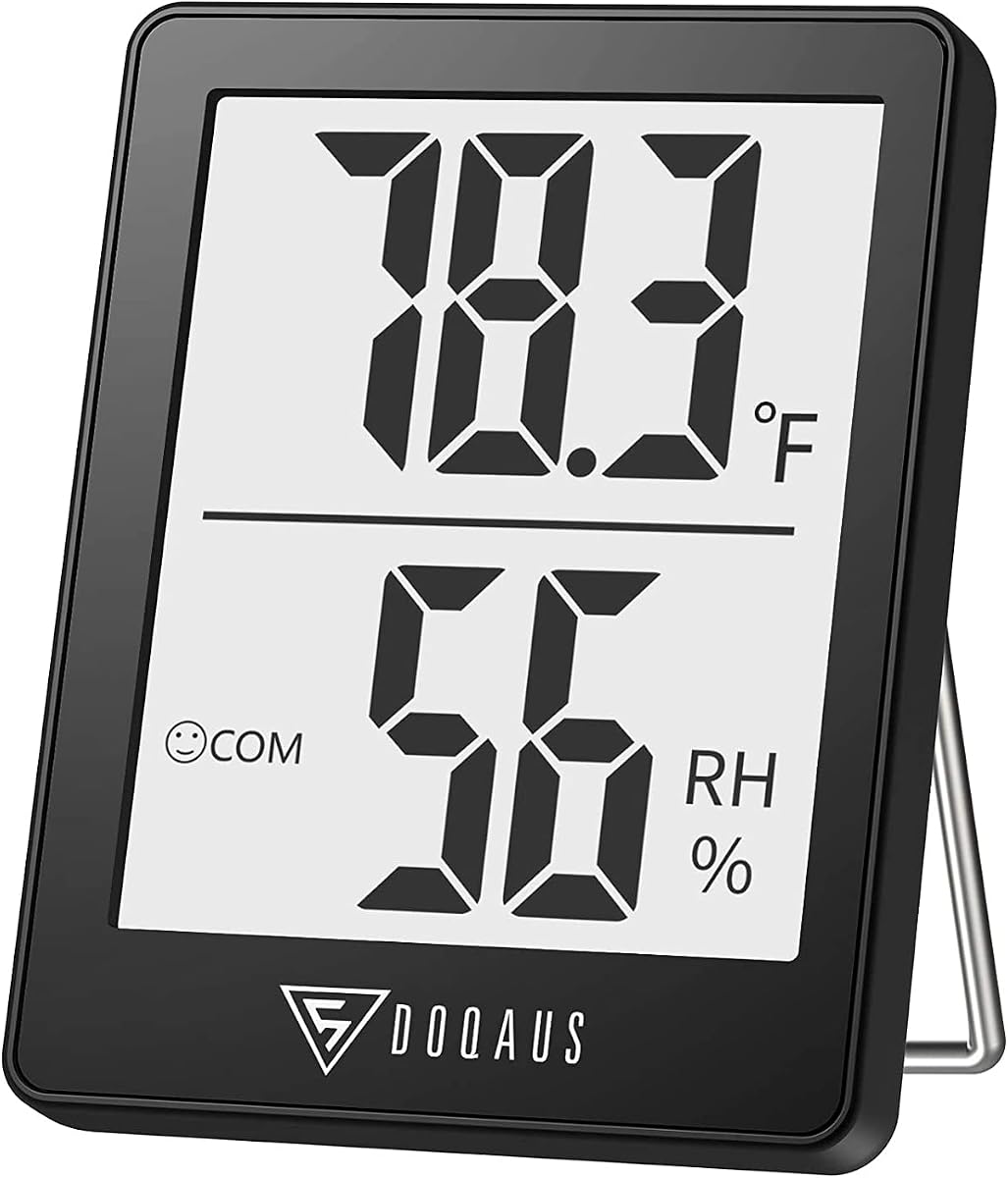
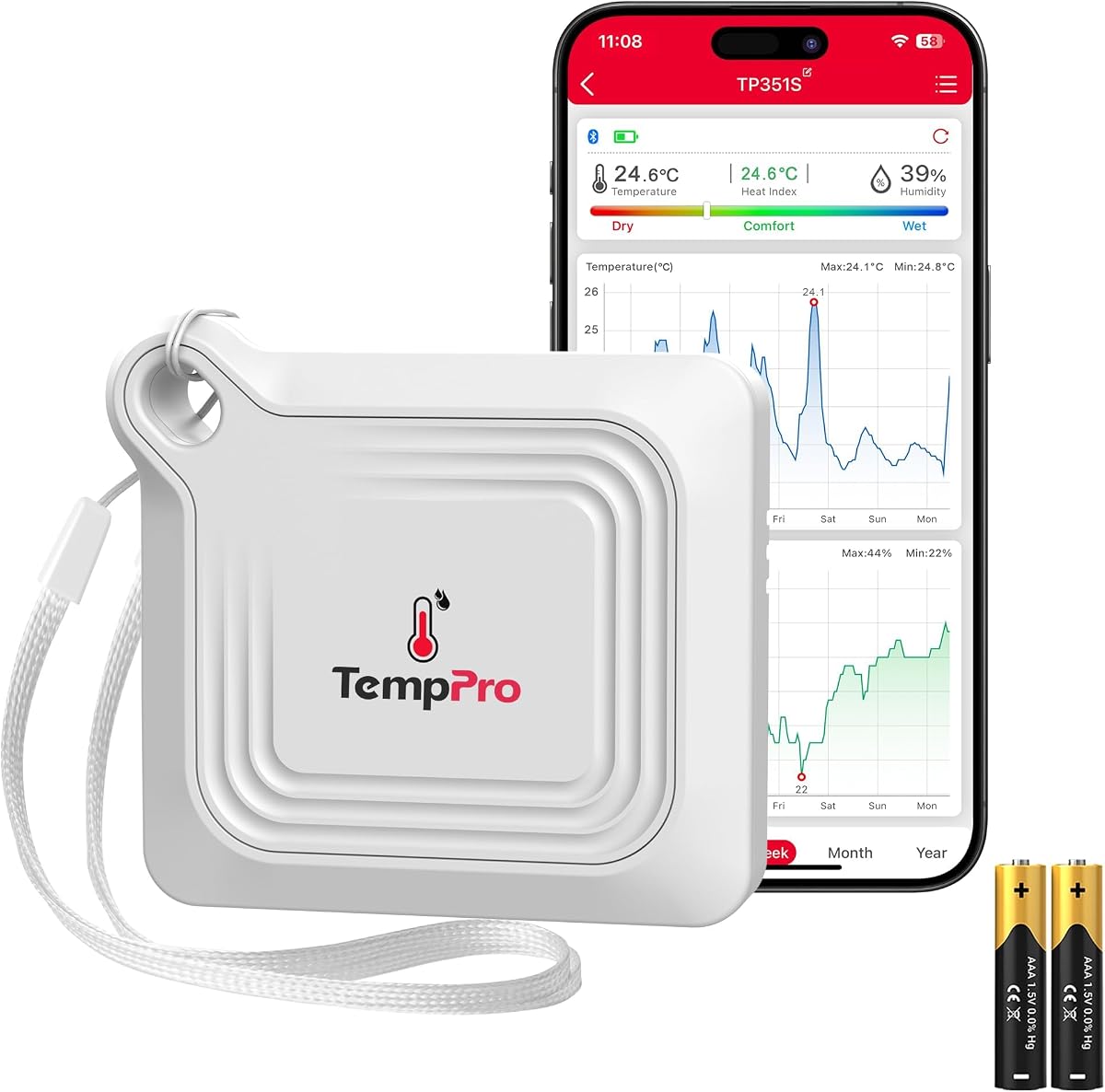


The TempPro TempAir Digital Hygrometer stands out as the top pick for greenhouse monitoring. It delivers precise temperature and humidity readings essential for plant health. The IPX5 waterproof design ensures durability in moist environments common in greenhouses.
We may earn a commission when you buy through this link, at no additional cost to you.
Its accuracy is impressive with plus minus one degree temperature precision. The display features large bold digits for easy viewing from any angle. A 10-second refresh rate keeps you updated on environmental changes quickly.
While it lacks smart app connectivity, the local display is reliable and straightforward. The 24-hour max min records help track daily fluctuations without complex setup. These trade-offs are acceptable for growers needing dependable basic monitoring.
This device is ideal for gardeners who prioritize accuracy and durability over connectivity. The magnetic back and stand offer flexible placement options. It remains a strong choice for protecting valuable plants from environmental stress.
The IPX5 waterproof rating means moisture will not damage the sensor. This is critical for greenhouses where humidity levels often exceed normal room conditions.
Face icons for Dry Comfort and Wet provide instant feedback on air quality. You can adjust ventilation or misting systems without interpreting raw data.
We may earn a commission when you buy through this link, at no additional cost to you.
This model offers excellent smart monitoring capabilities for modern greenhouse setups. The Bluetooth connection allows remote access up to 260 feet away. You can track conditions without constantly entering the greenhouse structure.
We may earn a commission when you buy through this link, at no additional cost to you.
The app stores two years of data which is rare at this price point. This historical data helps identify seasonal trends and adjust care routines proactively. No registration means faster setup and better privacy for users.
However reliance on a smartphone means you need a device nearby to view real-time alerts. The physical display is backlit but less prominent than standalone models. This fits well for tech-savvy gardeners managing larger operations.
Choose this if you need to track environmental history over long periods. The high accuracy ensures you get trustworthy data for planning heating or cooling needs. It bridges the gap between basic thermometers and full weather stations.
Exporting data allows deep analysis of environmental patterns. You can see exactly how humidity drops during winter nights to plan accordingly.
Check readings from your office or living room thanks to the extended range. This saves time and physical effort for busy growers.
We may earn a commission when you buy through this link, at no additional cost to you.
This thermometer focuses on core functionality for those who need basic temperature tracking. It displays maximum minimum and current temperatures clearly for quick checks. The wall mount design keeps it secure and out of the way.
We may earn a commission when you buy through this link, at no additional cost to you.
Users appreciate the simplicity as there are no complex menus to navigate. Switching between Celsius and Fahrenheit is easy which suits international users. The included battery ensures it works straight out of the box.
The downside is the lack of humidity monitoring which is vital for greenhouses. If you only care about heat spikes this device works well. It is less versatile than dual sensors but often more robust for temperature only needs.
Ideal for growers who already have separate humidity gauges. The style is practical and fits standard garden sheds or greenhouses. Its reliability makes it a solid backup or primary temperature tool.
Focused design reduces clutter on your greenhouse walls. It handles temperature spikes effectively without extra digital components.
Resetting max min values is straightforward. You can clear data quickly after a heatwave to start fresh monitoring.
We may earn a commission when you buy through this link, at no additional cost to you.
Offering the best value, this unit combines high accuracy with a low price tag. It features a compact mini size that fits into tight corners or shelves. The face icon indicator simplifies air quality checks instantly.
We may earn a commission when you buy through this link, at no additional cost to you.
Despite its small size, it maintains plus minus one degree accuracy. The 10-second refresh rate ensures you are not relying on stale data. This makes it surprisingly capable for its size and cost.
The small display might be hard to read from a distance for some users. However for close-range checks it is perfectly adequate. This trade-off is standard for budget-friendly indoor-outdoor devices.
Perfect for beginners or those needing multiple units across different zones. The magnetic and hanging options allow placement in grow tents or shelves. It proves you do not need to spend much to get reliable readings.
Mini footprint leaves more space for plants on your shelves. You can position it exactly where needed without bulk.
High quality sensors at a low cost point. This is a practical investment for any home gardener.
We may earn a commission when you buy through this link, at no additional cost to you.
This analog thermometer offers a traditional approach to monitoring without digital components. It runs mechanically so you never need to change batteries. The large dial provides clear visibility of temperature zones at a glance.
We may earn a commission when you buy through this link, at no additional cost to you.
Constructed with stainless steel it resists rust and damage from moisture. This durability suits wet greenhouse environments where electronics might fail over time. It is robust and easy to clean if dusty.
Analog devices respond slower to changes compared to digital sensors. You must allow time for stabilization before checking readings. Precision is lower than electronic models but adequate for general gardening needs.
Best for those who prefer simple non-electronic tools. The visual dial is intuitive and easy to read from a distance. It serves well as a backup in case of power or battery issues.
Eliminates maintenance costs and waste. You set it and forget it without worrying about power sources.
The large zone indicators help you see trends quickly. No numbers to decipher, just a visual gauge.
We may earn a commission when you buy through this link, at no additional cost to you.
The DOQAUS unit offers rapid updates with a five-second refresh rate. This ensures you catch sudden shifts in humidity instantly. The compact size allows for placement in tight spots like seedling trays.
We may earn a commission when you buy through this link, at no additional cost to you.
Accuracy is maintained within plus minus one degree. The display is bright enough for dark corners. It supports both Celsius and Fahrenheit which adds global utility.
The lightweight build means it might be too light for some heavy setups. However the magnet and stand usually provide enough stability. It balances performance and size effectively for most indoor greenhouses.
Choose this for quick responsive monitoring in smaller spaces. It is ideal for hobbyists who move devices around often. The design prioritizes utility without unnecessary bulk or features.
Changes in environment are captured almost instantly. This speed helps you react to humidity spikes before damage occurs.
Easy to carry and place where needed. No heavy cables or mounts restrict your movement.
We may earn a commission when you buy through this link, at no additional cost to you.
This model boasts an impressive 260-foot remote range for monitoring. You can stay inside while checking greenhouse conditions remotely. The accuracy is high at plus minus point five degree for precision gardening.
We may earn a commission when you buy through this link, at no additional cost to you.
The app includes a range of features including alerts and charts. Data logging up to two years helps track long-term environmental shifts. Auto-connection makes pairing straightforward for users of all levels.
Battery dependency remains a factor for continuous operation. The app is essential to access all features so offline use is limited. This suits users who prefer integrated digital management systems.
Ideal for large greenhouses where walking outside is inconvenient. The alerts notify you of dangerous temperature drops without constant checking. It offers a robust solution for serious growers.
Monitor from your home or office comfortably. The wide range covers large property areas without signal loss.
Get instant alerts when conditions stray from safe ranges. This helps prevent crop loss during unexpected weather.
We may earn a commission when you buy through this link, at no additional cost to you.
This set provides three units so you can monitor multiple zones. Each unit is reliable and accurate for consistent readings. The price per unit is very competitive for a three-pack set.
We may earn a commission when you buy through this link, at no additional cost to you.
All three devices share the same features for consistency. You can place them in different sections of your greenhouse. This ensures even coverage and avoids blind spots in temperature.
Lacking smart features they are straightforward and reliable. You simply check each one individually for local conditions. This simplicity reduces the chance of connection issues or app errors.
Perfect for larger greenhouses requiring multiple points of control. The value proposition is strong compared to buying single units. It helps ensure uniformity across your growing space.
Check all areas of your space with identical units. Consistency helps you compare conditions accurately between zones.
Buying a pack saves money per device. This is ideal for covering multiple shelves or rooms.
We may earn a commission when you buy through this link, at no additional cost to you.
Designed for outdoor conditions this thermometer includes a flip-out roof. This feature shields the sensor from direct rain and sun. It remains functional even in exposed garden locations.
We may earn a commission when you buy through this link, at no additional cost to you.
It provides reliable max min tracking for daily temperature swings. The display is clear enough to read in varying light conditions. The design is classic but effective for outdoor use.
You will need to replace batteries periodically to keep it running. However the accuracy and build quality justify the effort. It is built to withstand the elements better than indoor units.
Ideal for outdoor greenhouse frames or garden sheds. It offers protection without adding complex electronics. A solid choice for external monitoring needs.
The roof cover shields components from harsh weather. This increases longevity for outdoor installations.
Records extremes accurately for better planning. You know exactly when heating or shading is needed.
We may earn a commission when you buy through this link, at no additional cost to you.
This unit features a Swiss-made sensor known for high quality. It offers a rapid two-second refresh rate for instant updates. The app control provides premium alerts and detailed data exports.
We may earn a commission when you buy through this link, at no additional cost to you.
The accuracy is excellent within plus minus zero point five four degrees. You get precise readings every few seconds. This precision is crucial for sensitive plant species.
The higher price reflects the sensor quality and smart features. You need to rely on the app for full functionality. This fits well for tech-focused growers who value data.
Best for users needing top-tier precision and app integration. The long range covers large spaces effectively. It represents the premium end of consumer-grade monitoring tools.
Manufactured by a reputable brand for quality. This ensures consistent readings over years of use.
Two-second updates mean you miss no changes. This speed is unmatched in many budget models.
We may earn a commission when you buy through this link, at no additional cost to you.
Selecting the right thermometer depends on your greenhouse size and monitoring needs. Consider accuracy, features, and placement options to ensure you find the best tool for your plants.
Look for thermometers with high accuracy like plus or minus one degree Fahrenheit. More sensitive plants require tighter tolerances to prevent stress. Check if the device tracks both temperature and humidity for full insight.
Prioritize models with proven sensor reliability for consistent results.
Ensure the display has large digits or a clear dial. You may need to read the device from a distance in a greenhouse. Backlit displays help during low light conditions inside the structure.
A readable screen prevents misreading critical values quickly.
Consider how the device mounts. Options like magnets, stands, or hooks offer flexibility. Place sensors away from direct heat or cold drafts for true readings.
Choose units that fit your shelf or wall setup easily.
Smart models send alerts if temps drop too low. This helps when you are away from the greenhouse for long periods. Bluetooth range matters if you want to check from inside your home.
Select connected models if remote monitoring is a priority for you.
Some devices store historical data for later review. This feature helps you track seasonal changes or heating effectiveness. Look for export options if you want to analyze trends yourself.
Data storage turns a simple tool into a planning resource.
Greenhouses have high humidity which can damage electronics. Look for IPX ratings or robust materials like stainless steel. Waterproof sensors last longer in damp environments.
Invest in moisture-resistant builds to extend device life.
Most devices run on standard AA or AAA batteries. Others may need USB power or specific charging. Consider how often you want to change batteries.
Standard battery options reduce maintenance complexity.
Basic units are affordable while smart ones cost more. Decide what features matter most for your budget. Multiple cheaper units might be better than one expensive one for large areas.
Balance cost against your specific monitoring needs.
Place the thermometer at plant height for accurate readings. Avoid attaching it directly to glass or metal walls as these may show surface temps rather than air temps.
Calibrate the device if possible using a reference tool. Most digital units reset via a button. Check the manual for specific calibration steps.
Clean the sensor area regularly with a dry cloth. Dust and humidity can reduce accuracy over time. Ensure the device stays in good shape for reliable data.
Yes humidity is critical for plant health alongside temperature. It helps prevent issues like mold or leaf drop. Dual sensors give you a complete picture of your greenhouse environment.
It depends on usage and model but usually once a year. If you use alerts or continuous tracking check battery levels often. Most devices show a low battery indicator.
Most models work in cold ranges but check the operating limits. Some batteries perform poorly in freezing temps. Ensure the device is rated for your specific climate zone.
Most plants thrive between 65 and 75 degrees Fahrenheit. Adjust based on your specific plant species. Consistent monitoring helps maintain this ideal range easily.
No most use Bluetooth which connects directly to your phone. This works without a home internet connection. Check if you need a specific app for pairing.
Use ice water or boiling water for a rough check. Most digital units do not allow manual calibration. Refer to the manufacturer instructions for accurate setup.
It depends on your space. Wall mounts save shelf space but stands allow flexible movement. Choose what fits your greenhouse layout best.
Use a device with export features like CSV files. This lets you review changes and patterns. It helps in adjusting your heating or cooling needs.
We reviewed ten top options ranging from budget units to smart solutions. The TempPro IPX5 model stands out as the top pick for most growers. Its accuracy and durability make it a reliable choice.
Prioritize accuracy and placement options when selecting your device. Ensure the display is easy to read and the battery life is sufficient. Choose smart features if remote alerts matter to your workflow.
Prices and availability change frequently so verify details before buying. Use this guide to find a tool that supports healthy plant growth all year. Proper monitoring ensures your greenhouse remains productive and safe.