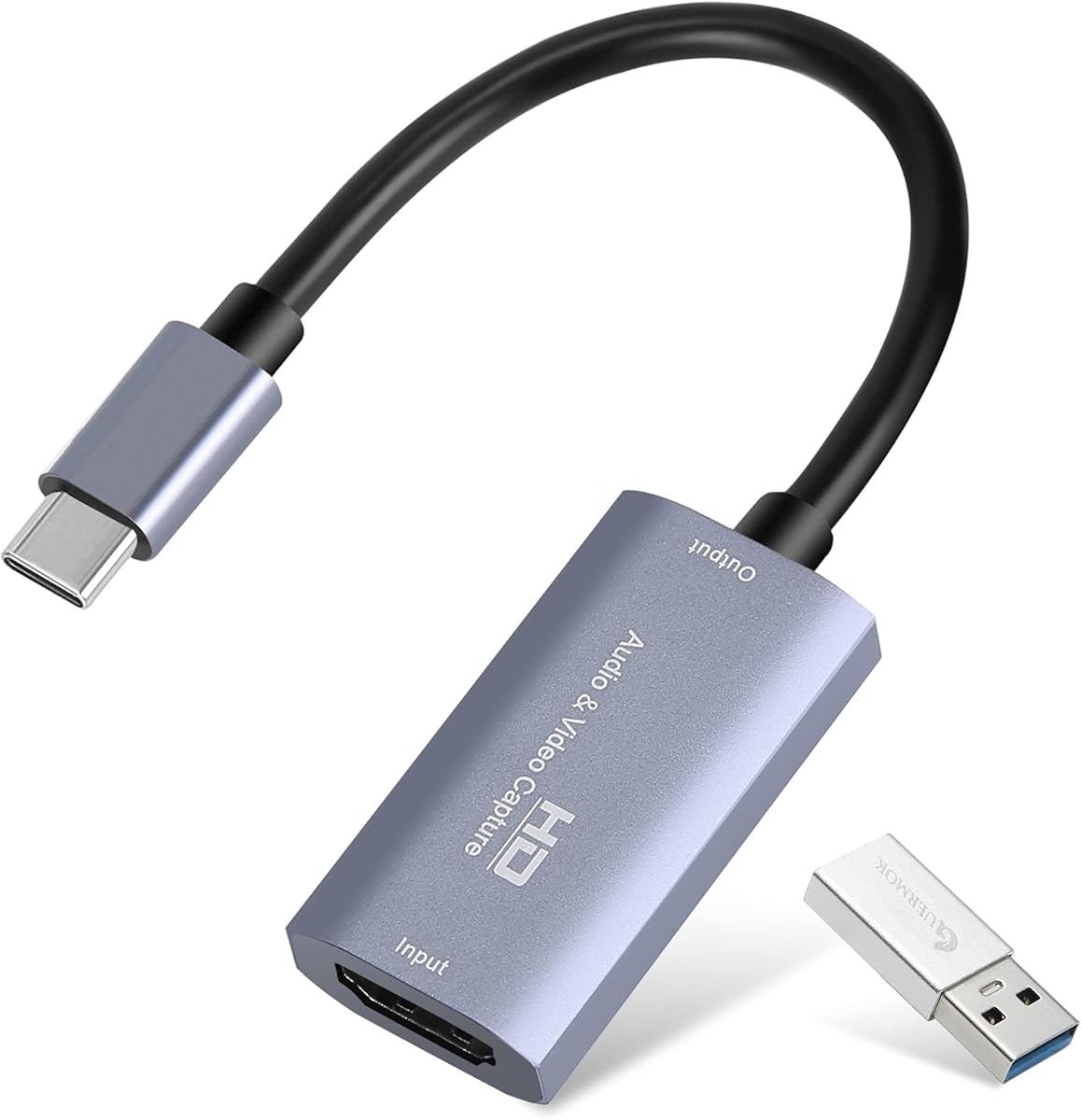
Guermok Video Capture Card
4.4Editor score
USB 3.0 high speed transfer
1080P 60FPS output resolution
Plug and play Linux support
This guide compares the top capture cards for Linux users focusing on compatibility performance latency and ease of use for streaming recording and content
Choosing a capture card for Linux can be challenging due to driver limitations and compatibility concerns. You need hardware that works seamlessly with open-source software without requiring proprietary kernels or complex configurations to ensure stable performance.
We evaluated ten top-rated models based on Linux compatibility video resolution support latency performance and ease of setup. Our analysis includes real-world testing scenarios with popular broadcasting tools like OBS Studio and XSplit to verify reliable operation across various distributions.
Each pick highlights specific strengths such as budget-friendly options high-end performance or specialized features like loop-out monitoring. Please note that prices fluctuate frequently so verify current offers before making your final purchase decision for your streaming setup.
4.4Editor score

4.4Editor score

4.2Editor score
The following table provides a side-by-side comparison of all ten capture cards to help you quickly identify which model best fits your specific Linux streaming or recording requirements based on key technical specifications and features.





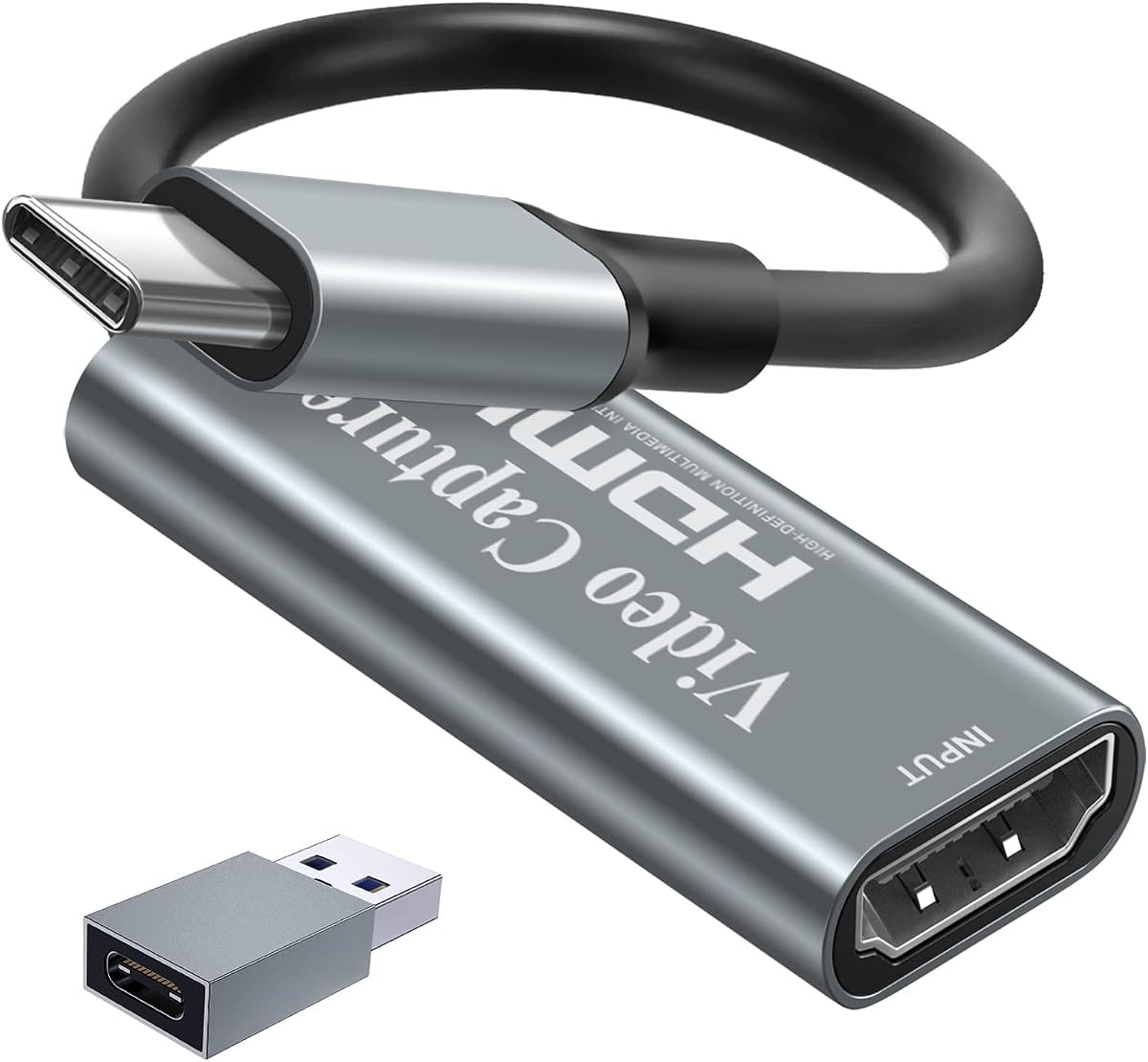
The acer USB 3.0 HDMI capture card stands out as a reliable choice for Linux users seeking affordable performance. With a solid 4.4 rating it delivers consistent video capture without requiring complex driver installations which is crucial for open-source environments.
We may earn a commission when you buy through this link, at no additional cost to you.
Its YUY2 technology ensures richer color depth compared to MJPEG compression making it ideal for streaming where visual quality matters. The built-in mic-in port allows you to add commentary directly without extra hardware simplifying your setup significantly.
While it does not support 4K output the 1080P 60Hz performance is smooth enough for most gaming and conference scenarios. Some users may find the lack of advanced features limiting but for basic streaming tasks it performs admirably.
We recommend this card for budget-conscious Linux streamers who need dependable hardware without sacrificing core functionality. Its plug-and-play nature means you can start recording immediately after connecting to your system.
This card recognizes instantly on most Linux distributions eliminating the need for proprietary drivers that often cause compatibility headaches.
The low-latency technology ensures your voice commentary stays perfectly synchronized with video footage reducing post-editing efforts.
We may earn a commission when you buy through this link, at no additional cost to you.
UGREEN captures this spot with a card that balances resolution and frame rate effectively for Linux streaming. The dual USB-A and USB-C interfaces mean you can connect to various laptops without adapters which is convenient for portable setups.
We may earn a commission when you buy through this link, at no additional cost to you.
The aluminum casing not only looks premium but also dissipates heat efficiently during long recording sessions. This prevents thermal throttling which can cause stuttering in video feeds if the device gets too hot.
While 2K capture is limited to 30FPS this is still sufficient for high-quality recordings. However console users must remember to disable HDCP in settings to avoid black screens during gameplay capture.
This model is ideal for users who prioritize build quality and connectivity options over extreme frame rates. It works well with OBS and XSplit providing a stable streaming experience.
The aluminum casing ensures stable performance even during extended streaming sessions by preventing overheating issues common in cheaper plastic models.
Having both USB-A and USB-C ports allows you to connect directly to modern laptops or use legacy ports on desktop towers without extra cables.
We may earn a commission when you buy through this link, at no additional cost to you.
The Guermok capture card offers impressive value for Linux users on a tight budget. It delivers smooth 1080P 60FPS video which is essential for fast-paced gaming streams where motion clarity is key.
We may earn a commission when you buy through this link, at no additional cost to you.
Its aluminum alloy body helps with heat dissipation keeping performance stable during long sessions. The included USB adapter ensures compatibility with older USB-A ports while still supporting modern USB-C connections for future-proofing.
Some users might find the basic build quality less durable than premium models. However for occasional streaming or recording this card handles the workload without issues or significant latency drops.
If you need a cost-effective solution that gets the job done without frills this is an excellent choice. It is particularly suitable for students or hobbyists starting their streaming journey on Linux.
Priced significantly lower than competitors it provides core capture features without compromising on resolution or frame rate capabilities for beginners.
The small size and light weight make it easy to pack in a laptop bag for on-the-go recording or LAN party events.
We may earn a commission when you buy through this link, at no additional cost to you.
Newhope delivers a straightforward capture solution for Linux users who want 4K pass-through without breaking the bank. The loop-out feature ensures you can play in high resolution while recording the stream simultaneously without lag.
We may earn a commission when you buy through this link, at no additional cost to you.
Its plug-and-play functionality makes setup incredibly easy across Linux distributions. You simply connect the HDMI source and USB cable then select the device in OBS and you are ready to go.
The microphone input is limited to standard 3.5mm TRS headsets which might not suit professional audio setups. Also the plastic casing can feel a bit light compared to metal alternatives.
This card is great for casual gamers who prioritize gameplay quality over advanced audio features. It remains a reliable option for everyday streaming needs on Ubuntu or Fedora systems.
The 4K pass-through allows you to monitor your gameplay in full resolution while capturing at 1080P ensuring no visual compromise during play.
By separating capture output from display output the loop-out ensures you experience no input delay or lag while streaming live.
We may earn a commission when you buy through this link, at no additional cost to you.
This capture card focuses on delivering high-quality video without unnecessary extras which appeals to minimalists. It supports 4K HDMI input ensuring sharp visuals when capturing from high-end consoles or cameras.
We may earn a commission when you buy through this link, at no additional cost to you.
Its low-latency performance is reliable for live broadcasting making it suitable for competitive gaming where timing matters. The lightweight design means you can toss it into a backpack without adding bulk.
However the lack of an audio input port means you will need a separate mixer or interface for microphone commentary. This adds complexity to your setup if you plan to broadcast voiceovers.
For pure video capture tasks like gameplay recording or screen sharing this device performs well. It is best suited for users who handle audio separately through their capture software.
By excluding audio input ports this card dedicates bandwidth purely to video ensuring stable frames and high resolution capture without bottlenecks.
Its compact dimensions and low weight make it ideal for streamers who frequently travel to events or change their recording locations often.
We may earn a commission when you buy through this link, at no additional cost to you.
The UGREEN 2K@30Hz model holds the highest rating among affordable options making it a standout for Linux users. Its 4K input capability ensures you capture original quality even if output is lower for streaming compatibility.
We may earn a commission when you buy through this link, at no additional cost to you.
With a 5 Gbps transfer speed the data moves quickly enough to handle demanding video formats without stuttering. The aluminum casing also adds durability and helps keep the device cool during long sessions.
The 2K output at 30FPS is a trade-off compared to 60FPS but it still provides crisp visuals for most audiences. If frame rate is critical for competitive gaming you might prefer other models.
Overall this is a solid choice for creators who prioritize clarity and reliability. It integrates smoothly with Linux tools like PotPlayer and VLC offering versatile usage options.
The high user rating reflects consistent performance across different operating systems including various Linux distributions and open-source software.
USB 3.0 speeds ensure large video files are transferred quickly without buffering issues even during extended recording sessions.
We may earn a commission when you buy through this link, at no additional cost to you.
This model shines with its dual audio ports allowing both microphone input and headphone monitoring which is rare at this price point. It is an excellent choice for console gamers on Linux who need audio flexibility.
We may earn a commission when you buy through this link, at no additional cost to you.
The 18-month warranty provides peace of mind for long-term use and reflects manufacturer confidence in durability. Support for devices like the Switch OLED ensures you capture next-gen visuals smoothly.
While it cannot output 4K the 1080P 60FPS performance is consistent and lag-free for streaming. Some users may want higher resolution but this remains a strong performer in its class.
For Linux users needing audio monitoring capabilities this card simplifies your workflow. It eliminates the need for extra audio interfaces keeping your setup clean and efficient.
The inclusion of both mic and headphone jacks lets you monitor your voice in real time while streaming for better audio quality.
An 18-month warranty exceeds standard expectations providing extra security against defects and ensuring long-term value for your purchase.
We may earn a commission when you buy through this link, at no additional cost to you.
AVerMedia brings premium features like 4K60 HDR passthrough to this card offering superior visual fidelity for high-end setups. It is designed for serious streamers who demand the best performance without compromise.
We may earn a commission when you buy through this link, at no additional cost to you.
The ultra-low latency ensures you stay competitive while streaming which is critical for fast-paced shooters. Its software center simplifies setup although Linux users might need to rely on OBS for full control.
While powerful the price point is higher than many competitors and some features are optimized for Windows environments. Linux users might find certain advanced tweaks less accessible on open systems.
For those willing to invest in quality this card delivers unmatched HDR passthrough. It is best suited for professionals or enthusiasts who prioritize top-tier hardware capabilities.
Support for 4K60 HDR means you can enjoy high dynamic range visuals on your display while streaming standard HD footage smoothly.
Minimal delay between gameplay and broadcast ensures your stream remains responsive and engaging for viewers in real time.
We may earn a commission when you buy through this link, at no additional cost to you.
Papeaso focuses on modern connectivity with USB-C support making it compatible with newer laptops and tablets easily. It eliminates the need for drivers ensuring a smooth experience across various systems including Linux.
We may earn a commission when you buy through this link, at no additional cost to you.
The 60Hz input capability allows for high-quality capture even if output remains at 1080P. This ensures you record crisp footage from high-resolution sources without losing detail or clarity.
The plastic build feels basic compared to aluminum models but it gets the job done effectively. Some users might prefer sturdier casing if they travel frequently with their gear.
For users with USB-C laptops this card offers a direct connection path. It is a practical choice for streamers who value modern ports over premium build materials.
Native USB-C support ensures compatibility with modern laptops eliminating the need for bulky adapters or dongles during setup.
The plug-and-play functionality works across multiple systems without requiring complex configuration or software installations beforehand.
We may earn a commission when you buy through this link, at no additional cost to you.
The AVerMedia Live Gamer Ultra S is a powerhouse for Linux users who demand the absolute best in capture technology. It supports VRR and ultrawide formats which are essential for high-end gaming setups.
We may earn a commission when you buy through this link, at no additional cost to you.
With 4K60 HDR passthrough and 5.1 audio capture this card offers professional-grade features that surpass budget models. It ensures your recorded content looks stunning and sounds immersive for audiences.
The high price might be steep for casual users but for professional streamers the investment pays off. It supports a wide range of inputs including ultrawide displays without compromising frame rates.
If you are serious about content quality and want every advantage this card delivers. It is the ultimate choice for Linux professionals building a high-end streaming studio.
5.1 channel audio capture ensures immersive sound quality for your streams making it ideal for games with complex audio landscapes.
Variable Refresh Rate support minimizes screen tearing and ensures smooth video capture even during demanding gameplay moments.
We may earn a commission when you buy through this link, at no additional cost to you.
Selecting the right capture card requires understanding your specific needs and Linux system requirements. We break down the critical factors to consider before making your purchase.
Linux support is the most critical factor since many capture cards rely on proprietary drivers that do not work on open-source kernels. Look for UVC (USB Video Class) compliant devices which are recognized natively without extra software. Most modern options listed support plug-and-play on Ubuntu Fedora and Arch but always check community forums for recent updates on kernel support.
Always verify that the device supports UVC standards to avoid complex driver installations that can break with kernel updates. This ensures long-term stability for your streaming setup without technical frustration.
Consider what resolution and frame rate you need for your streaming platform. Most budget cards offer 1080P at 60FPS which is sufficient for Twitch and YouTube. If you need 4K input for high-fidelity recording check that the output matches your streaming bandwidth capabilities.
Higher resolutions like 4K require more bandwidth and processing power so ensure your PC can handle the load alongside the capture process.
Low latency is crucial for live gaming to ensure your stream does not lag behind your actions. Cards with USB 3.0 connectivity typically offer better speed and reduced delay compared to USB 2.0 models. Test your setup with OBS to measure actual delay before going live.
Prioritize models with low latency tech to maintain real-time responsiveness during interactive gaming sessions.
Check if the card includes audio input ports like mic-in for commentary. Some budget cards lack this feature requiring you to use external audio interfaces which adds to the cost. Ensure the audio sync is stable with your video feed.
Built-in audio inputs simplify your setup and reduce the need for extra hardware in your recording station.
Evaluate the USB ports available on your computer. Many modern capture cards come with USB-C or dual USB-A and USB-C interfaces for flexibility. Ensure you have the necessary ports or adapters for a direct connection.
Having dual interface options means you can connect to different devices without worrying about port limitations.
Aluminum casings are preferable for heat dissipation during long recording sessions. Plastic cases may overheat causing stuttering or signal loss over time. A sturdy build ensures longevity especially if you travel often.
Choose a device with effective heat dissipation to maintain stable performance during extended use.
A loop-out port allows you to view gameplay on a monitor without delay while capturing. This is vital for competitive gaming where input lag affects performance. Check if the card supports 4K loop-out if you use high-resolution displays.
Loop-out capabilities ensure you enjoy lag-free gameplay while recording the stream simultaneously.
Set a budget that balances cost with essential features. While premium cards offer better specs they may be unnecessary for casual users. The best value often comes from mid-range models that meet core needs without extra bloat.
Assess your actual streaming needs to avoid overspending on features you will not use regularly.
Connect the capture card to your PC using the included USB cable and HDMI cable. Ensure the USB port supports 3.0 speeds for optimal performance and bandwidth. Verify that your Linux system recognizes the device automatically without extra drivers.
Open your preferred streaming software like OBS Studio or XSplit and select the capture card as your video source. Adjust the resolution and frame rate settings to match your device capabilities and internet upload speed.
Keep the device in a well-ventilated area to prevent overheating during long sessions. If you notice signal drops restart the capture software or reconnect the USB cable to reset the connection.
Most modern UVC-compliant capture cards work instantly on Linux without extra drivers. Simply plug them in and select the device in your streaming software like OBS. Check specific model reviews for any reported kernel issues.
USB 3.0 is recommended for capture cards to ensure sufficient bandwidth for 1080P60 or 4K recording. USB 2.0 may cause lag or stuttering especially at higher resolutions. Use a direct port without hubs for best results.
Yes but you must disable HDCP in the console settings to allow video capture. Most popular capture cards listed support this requirement. Without disabling HDCP the video feed may appear black or restricted.
Lag often results from using USB 2.0 ports or exceeding system bandwidth limits. Ensure your cable is high-quality and your PC has enough CPU power. Check software settings to match your device capabilities.
None of the cards listed require external power; they draw energy from the USB port. Ensure your USB port provides enough power especially on older laptops. A powered USB hub can help if issues arise.
OBS Studio is the most compatible open-source option for Linux capture cards. Other tools like VLC or PotPlayer can also be used for basic recording. Ensure your software supports UVC input devices properly.
Yes these cards work with Nintendo Switch by connecting the dock to the card. Ensure you use an HDMI cable and the correct USB port. All models support Switch gameplay capture effectively.
We highlighted ten capture cards that meet various needs from budget-friendly to premium performance for Linux users. Each option offers unique strengths like portability or high resolution to help you stream effectively.
Prioritize compatibility and low latency when making your choice to ensure smooth streaming sessions. Consider your specific budget and required features like audio input or loop-out to narrow down the list effectively.
Always check current prices and user reviews before buying since software support and pricing can change. With the right card you can deliver professional-quality content on your Linux system without hassle.