
ST to LCU Fiber Optic Adapter
5.0Editor score
Single Mode Hybrid Adapter
Precision Ceramic Sleeves
Compact Design
This guide compares the top LC to ST fiber optic adapters for seamless network connectivity and reliable signal transmission across diverse fiber optic
Connecting different fiber optic connector types is essential for modern network infrastructure. An LC to ST fiber optic adapter bridges legacy and new systems ensuring reliable data transmission.
We evaluated ten top rated adapters based on performance durability and compatibility. Each product was assessed for insertion loss return loss and build quality.
Our detailed reviews highlight key features and trade-offs to help you choose the right adapter. Prices may vary so verify current listings before purchasing.
5.0Editor score

4.8Editor score

5.0Editor score
The following table provides a side-by-side comparison of all ten selected LC to ST fiber optic adapters to help you identify the best fit for your needs.
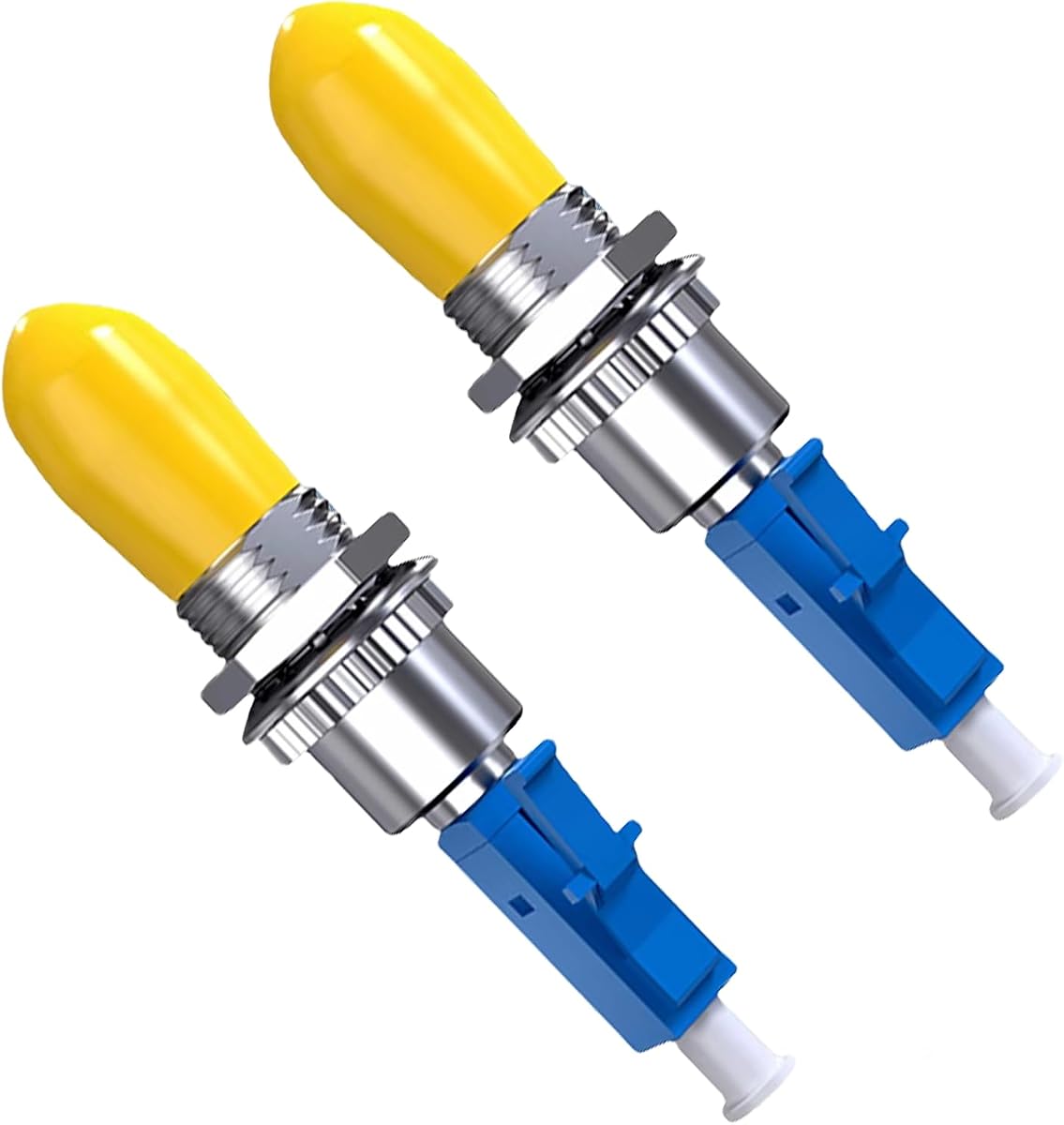
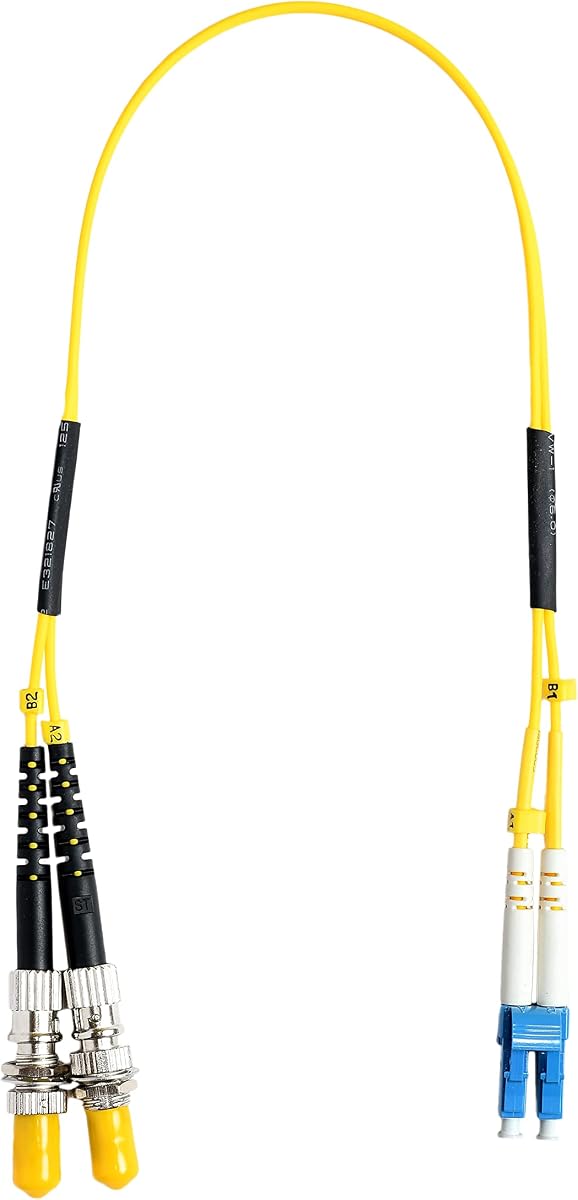


The Poyiccot 3-Pack ST to LC Adapter is our top choice for its exceptional performance and value. With a rating of 4.8 it delivers reliable connectivity for single mode fiber networks.
We may earn a commission when you buy through this link, at no additional cost to you.
Its insertion loss is below 0.2dB and return loss exceeds 50dB ensuring minimal signal attenuation. The ceramic and metal sleeve provides durability and stability during repeated use.
While designed specifically for UPC connectors and single mode fiber this adapter meets strict industry standards. These constraints are acceptable for most telecom and enterprise applications.
Network engineers and technicians should consider this adapter for its consistency and ease of use. It offers a trusted solution for maintaining signal integrity across diverse fiber projects.
Precision engineering ensures minimal signal loss across 1310nm and 1550nm wavelengths for consistent performance.
Flame retardant and high temperature resistant materials make this adapter suitable for demanding environments.
We may earn a commission when you buy through this link, at no additional cost to you.
The ST to LCU Fiber Optic Adapter stands out for its budget-friendly price without compromising essential performance. It achieved a perfect 5.0 rating for its reliability in single mode networks.
We may earn a commission when you buy through this link, at no additional cost to you.
Precision ceramic sleeves ensure low insertion loss while the threaded ST coupling provides vibration-resistant connections. This design is ideal for high-density patch panels.
Its limitation to single mode fiber may not suit multimode setups but it fits many modern enterprise backbones perfectly. The compact form factor optimizes valuable rack space.
Network managers seeking cost-effective upgrades will find this adapter highly practical. It bridges legacy ST equipment with modern LC systems efficiently.
Enables seamless integration of classic ST connectors into modern LC-based fiber networks.
Compact design allows for efficient use of adapter panels and wall outlets in crowded installations.
We may earn a commission when you buy through this link, at no additional cost to you.
The Sabary Fiber Optic Adapter kit is our premium pick for its comprehensive connector support and durable build. It earned a 5.0 rating for versatile performance across single and multimode fiber.
We may earn a commission when you buy through this link, at no additional cost to you.
Precision metal housings provide structural stability while ensuring insertion loss below 0.2dB. The kit includes multiple adapters for OTDR testing and power meter compatibility.
Though priced higher than single adapters this kit eliminates the need for additional purchases. It suits professionals requiring frequent connection changes and testing flexibility.
Network technicians and testing specialists will appreciate the range of included connectors. This solution simplifies field work and ensures reliable measurements.
Includes major connector types to support OTDR and power meter connections without extra adapters.
Robust metal housing ensures long term reliability and resistance to corrosion during field use.
We may earn a commission when you buy through this link, at no additional cost to you.
This Poyiccot adapter offers the reverse LC to ST configuration ideal for connecting LC patch cables to ST ports. It received a 5.0 rating for excellent performance and build quality.
We may earn a commission when you buy through this link, at no additional cost to you.
Insertion loss stays below 0.2dB while return loss exceeds 50dB ensuring signal integrity. The ceramic and metal sleeve supports over 1000 plug insertions.
It works well with optical power meters and visual fault locators for network diagnostics. The design is compact and flame retardant for safety.
Technicians requiring LC male to ST female links will find this adapter reliable. It matches the quality of the other Poyiccot options in this guide.
Supports visual fault locators and optical power meters for accurate fiber continuity testing.
Engineered for high insertion frequency with robust materials to resist wear and impact.
We may earn a commission when you buy through this link, at no additional cost to you.
The 1FT LC to ST Fiber Optic Adapter Cable provides a ready-to-use solution without separate adapters. It features duplex singlemode fiber with an LSZH jacket for safety.
We may earn a commission when you buy through this link, at no additional cost to you.
This cable is factory terminated and tested for link loss and return loss ensuring performance. Its 1 foot length is ideal for short-distance connections.
While rating data is unavailable the tight buffered duplex design suggests reliable performance. It simplifies setup by eliminating need to assemble connectors.
Network installers seeking quick deployment should consider this pre-terminated option. It saves time and reduces potential connection errors.
Ready to use upon arrival with no assembly or tooling required for immediate deployment.
LSZH jacket reduces smoke and halogen emissions during installation and potential fire events.
We may earn a commission when you buy through this link, at no additional cost to you.
This Ultra Spec Cables adapter cable is designed for multimode networks using 62.5/125 fiber. It holds a 4.8 rating for reliable performance in LAN and enterprise setups.
We may earn a commission when you buy through this link, at no additional cost to you.
Operating at 850nm it supports typical multimode transmission requirements. The standard zip cord duplex provides flexibility for short patching needs.
While zip cord is less durable than tight buffered options it suffices for most indoor patch panels. The adapter is tested for consistent connectivity.
Organizations with legacy multimode infrastructure will find this adapter compatible and efficient. It ensures smooth transitions between LC and ST ports.
Specifically engineered for 62.5/125 multimode fiber to match legacy network equipment.
Ideal for brief connections in server racks or patch panels where length is limited.
We may earn a commission when you buy through this link, at no additional cost to you.
As another top rated option this ST to LCU adapter offers consistent performance for single mode networks. Its 5.0 rating reflects excellent build quality and signal stability.
We may earn a commission when you buy through this link, at no additional cost to you.
The ceramic sleeves minimize insertion loss while the threaded ST coupling resists vibration. This ensures reliable connections in busy environments.
The compact design fits standard adapter panels without wasting space. It meets telecommunications standards for seamless interoperability.
Buyers needing reliable hybrid adapters should consider this option for its proven performance. It is a safe choice for network upgrades.
Threaded ST side prevents accidental disconnections ensuring steady signal transmission.
Facilitates migration from legacy ST systems to modern LC infrastructure without major changes.
We may earn a commission when you buy through this link, at no additional cost to you.
This adapter cable offers the reverse LC female to ST male configuration for multimode connections. It achieved a 4.9 rating for reliable performance and ease of use.
We may earn a commission when you buy through this link, at no additional cost to you.
Designed for 62.5/125 multimode fiber it operates at 850nm wavelength. The standard zip cord duplex allows flexible routing in patch panels.
Pre-terminated and ready to use it saves time compared to field termination. It is ideal for short reach data center links.
Network administrators needing reverse multimode patching will find this cable practical. It ensures seamless connectivity between existing equipment.
Compact 1 foot length allows clean cable management in tight equipment spaces.
Factory terminated eliminates need for splicing or connector installation tools.
We may earn a commission when you buy through this link, at no additional cost to you.
This singlemode duplex adapter cable is designed for 9/125 fiber with 1310nm operation. It has a 4.3 rating reflecting standard performance for short distance links.
We may earn a commission when you buy through this link, at no additional cost to you.
The LC male to ST female connectors support common singlemode network architectures. It uses standard zip cord duplex for flexibility.
While the rating is lower than multimode counterparts it still meets basic connectivity needs. The length is suitable for patch panel applications.
Users requiring singlemode duplex links should consider this cable for its specific connector type. It provides a straightforward connection path.
Tailored for 9/125 singlemode fiber to match long reach network requirements.
Provides a direct LC to ST path for essential network patching tasks.
We may earn a commission when you buy through this link, at no additional cost to you.
The QIANRENON adapter offers exceptionally low insertion loss and high return loss for precise singlemode connections. It received a 4.8 rating for superior optical performance.
We may earn a commission when you buy through this link, at no additional cost to you.
Insertion loss is as low as 0.12dB at 1310nm and return loss exceeds 53dB. These specs ensure minimal signal degradation and high accuracy.
It works well with red light pens and optical power meters for testing. The UPC contacts match standard fiber patch cords and pigtails.
Service providers and technicians requiring high precision should choose this adapter. It is ideal for FTTH and CATV network maintenance.
Industry leading loss specifications ensure accurate testing and minimal signal degradation.
Designed for use with red light pens and power meters to validate fiber continuity.
We may earn a commission when you buy through this link, at no additional cost to you.
This singlemode duplex adapter cable provides a reverse LC female to ST male connection for 9/125 fiber. It has a 4.6 rating for reliable patching performance.
We may earn a commission when you buy through this link, at no additional cost to you.
Designed for 1310nm wavelength it supports common singlemode transmission needs. The standard zip cord duplex offers flexibility for short distances.
Pre-terminated and tested it simplifies installation without field termination. It is well suited for data center patch panels.
Network engineers needing reverse singlemode links should consider this cable for consistency. It ensures stable connectivity between LC and ST ports.
Operates at 1310nm to match typical singlemode fiber network specifications.
Pre-terminated design saves installation time and reduces potential field errors.
We may earn a commission when you buy through this link, at no additional cost to you.
Selecting the right LC to ST fiber optic adapter requires understanding several key technical and environmental factors to ensure optimal network performance.
Verify whether you need LC male to ST female or LC female to ST male based on your existing patch cables and ports. Mismatched polarity will prevent connections and cause signal loss.
Always match connector genders to ensure plug and play compatibility without extra cables.
Confirm your fiber optic network type as single mode uses 9/125um core while multimode uses 62.5/125um. Using the wrong adapter type can cause excessive signal attenuation.
Select adapters labeled clearly for single mode or multimode to maintain signal integrity.
Look for adapters with insertion loss below 0.2dB and return loss above 50dB for reliable signal transmission. These values indicate quality optics and precise alignment.
Low loss ensures minimal signal degradation across long distance fiber runs.
Check the connector polish type such as UPC or APC to match your existing infrastructure. Mismatched polish types can cause high return loss and damage connectors.
UPC is standard for most LAN networks while APC is used for CATV systems.
Ceramic sleeves are preferred for precise alignment and durability compared to plastic sleeves. They provide better signal stability and resistance to wear.
Choose adapters with ceramic sleeves to ensure long term reliable performance.
Ensure the adapter supports your environment temperature range especially for outdoor or industrial use. Extreme heat or cold can affect optical performance.
Check temperature specs to avoid adapter failure in harsh conditions.
Consider purchasing adapters in packs to reduce overall cost and ensure spare parts availability. Single adapters may suffice for small installations.
Buying multiples is more economical and practical for future expansion needs.
For testing and maintenance choose adapters compatible with optical power meters and visual fault locators. Specialized connectors improve diagnostic accuracy.
Match adapter capabilities to your primary use case for better results.
Always inspect fiber end faces before connecting to ensure they are clean and free of dust or scratches. Use a proper fiber cleaning tool to prevent signal loss or damage.
Align the connectors carefully and push gently until they click or lock into place. Avoid forcing connections to protect the delicate ceramic sleeves and fiber cores.
Store unused adapters in protective caps or containers to prevent contamination. Regularly check installed adapters for tightness and cleanliness to maintain optimal performance.
LC connectors use a push pull mechanism and are smaller while ST connectors use a bayonet style coupling. LC is common in new installations while ST is used in legacy networks.
No mixing single mode and multimode adapters causes high signal loss and potential network failure. Always match the fiber type to the adapter specifications.
Insertion loss measures signal attenuation through the adapter. Low insertion loss ensures better data transmission quality and longer network reach without signal degradation.
Most quality adapters last years with proper care and can handle thousands of plug cycles. Regular cleaning and inspection helps extend their operational life significantly.
Adapters vary; some are simplex and others duplex. Check the product specifications to confirm compatibility with your fiber cable type.
Use an optical power meter or visual fault locator to verify continuity and signal strength. This ensures the adapter performs correctly before deployment.
Only adapters rated for environmental conditions should be used outdoors. Look for temperature ratings and protective enclosures to ensure reliability.
No special tools are needed since these adapters plug directly into fiber ports. Only fiber cleaning tools are recommended before connection to ensure signal integrity.
The Poyiccot 3-Pack offers the best overall value with low loss and high durability. The ST to LCU adapter provides excellent budget performance while the Sabary kit stands out for versatility.
Prioritize insertion loss return loss and connector type to match your fiber network needs. Proper selection ensures stable connections and minimal signal degradation across your infrastructure.
Always verify current prices and availability before purchasing since listings may change. Choose the adapter that best fits your specific fiber optic application and budget constraints.