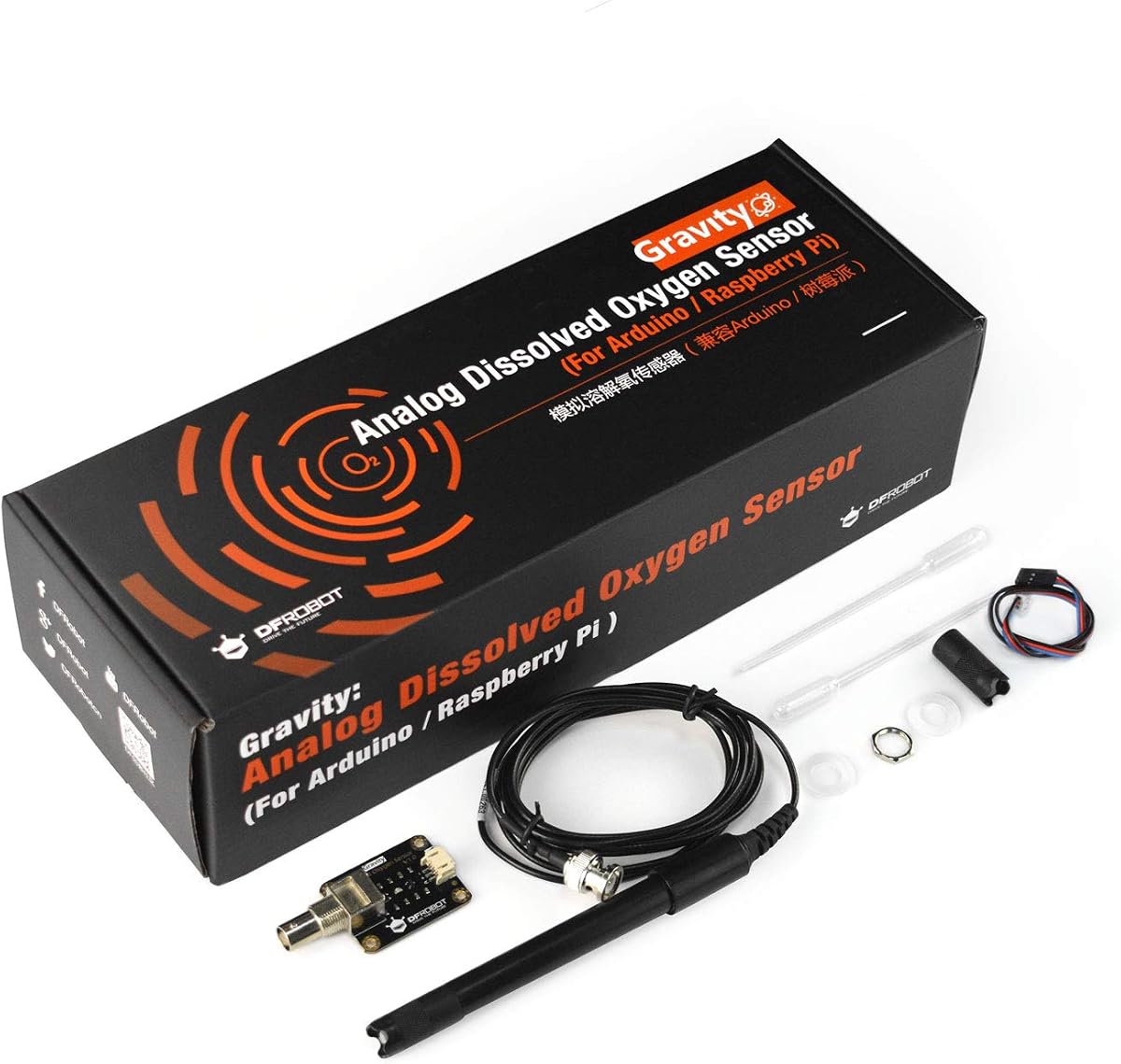
Gravity: Analog Dissolved Oxygen Sensor Kit
4.4Editor score
No polarization needed for instant use
Hardware filtering for stable signals
Compatible with Arduino ESP32 and Pi
Compare the top 10 dissolved oxygen sensors for water quality monitoring. We evaluate galvanic and optical probes for accuracy ease of use and maintenance in
Choosing the right dissolved oxygen sensor is crucial for maintaining water quality in aquaculture, research, and environmental monitoring. These devices measure oxygen levels in water to ensure healthy conditions for aquatic life and processes.
We compared ten top-rated sensors based on accuracy, response time, ease of calibration, and long-term maintenance needs. Our analysis covers galvanic, polarographic, and optical technologies for various budgets and applications.
Each pick highlights key strengths and trade-offs to help you find the perfect fit. Note that product availability and pricing can change frequently, so verify details before making your final purchase decision today.
4.4Editor score

4.8Editor score
4.4Editor score
The following table offers a side-by-side view of all ten products evaluated in this guide. Use it to quickly compare key specifications like sensor type, range, and unique features before diving into detailed reviews.


This Gravity sensor kit stands out for hobbyists and professionals building custom water quality monitors. With a solid 4.4 rating, it delivers reliable performance for IoT projects using Arduino, ESP32, or Raspberry Pi platforms.
We may earn a commission when you buy through this link, at no additional cost to you.
The galvanic probe eliminates the need for polarization time, allowing you to start measuring immediately after setup. Hardware filtering on the signal converter ensures smooth analog output without complex software processing, which is vital for stable long-term monitoring in aquaculture or hydroponics systems.
While the long-term costs are low due to replaceable membrane caps and filling solution, users must source the required NaOH filling solution separately. This small hassle is offset by the significant savings compared to discarding whole expensive probes when consumables run out.
If you are developing a custom water quality monitoring system that needs to be fast responsive, and easy to integrate with microcontrollers, this kit is an excellent choice. It offers the best balance of functionality and affordability for makers who need precise dissolved oxygen measurements without high setup costs.
The galvanic probe technology means you never wait for the sensor to warm up or stabilize. This is especially useful when you need to take quick, intermittent measurements in a lab or pond environment.
With a spare membrane cap included and easily replaceable consumables, you only replace the parts that wear out. This significantly reduces the total cost of ownership compared to single-piece disposable sensors.
We may earn a commission when you buy through this link, at no additional cost to you.
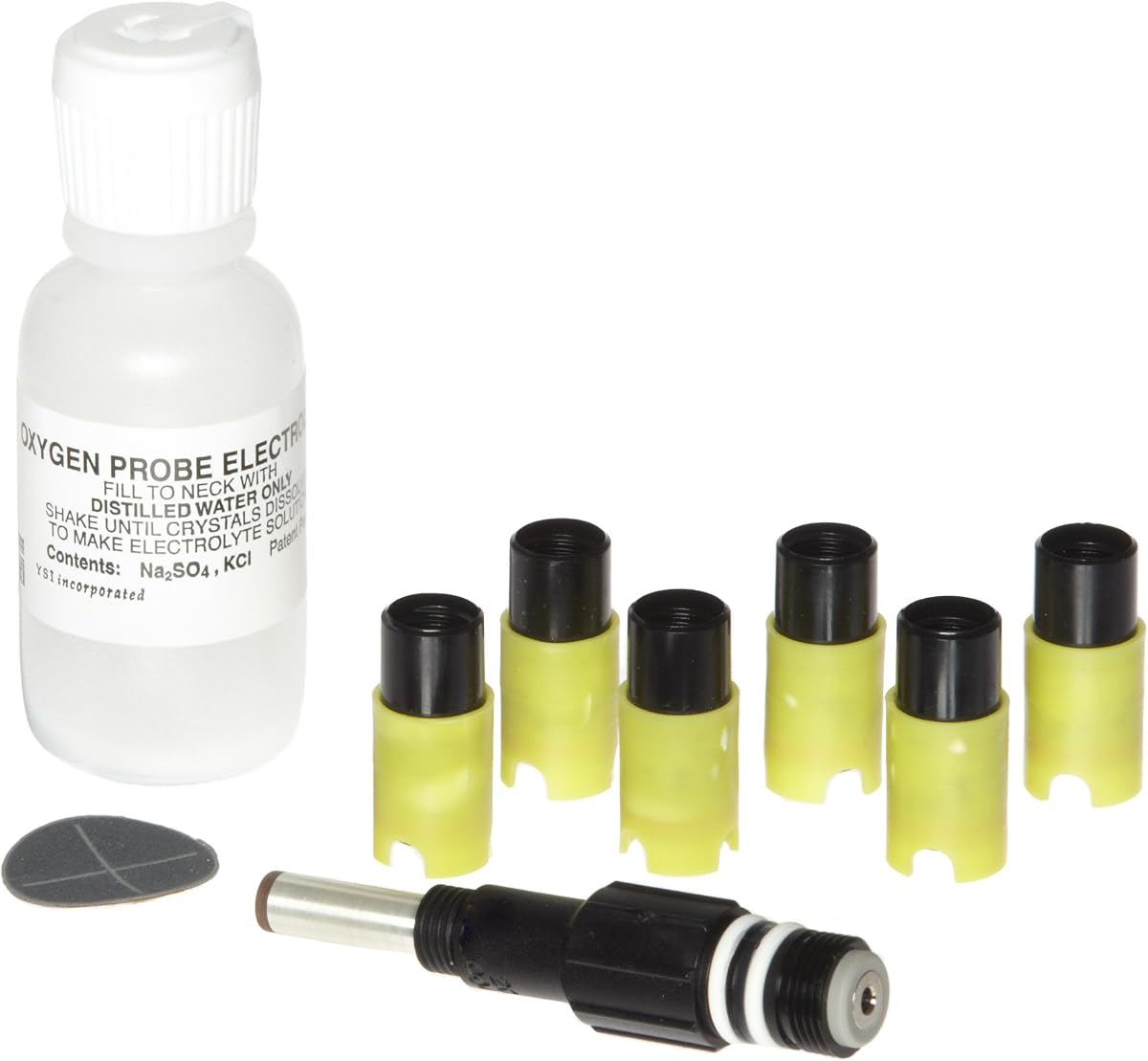
The YSI-605202 Pro Series sensor is a replacement probe designed for durability and ease of maintenance. With a high 4.8 rating, it is highly regarded for its user-friendly design that makes routine upkeep straightforward and fast.
We may earn a commission when you buy through this link, at no additional cost to you.
The screw-on cap membrane system allows you to change the membrane without any tools, which is a huge advantage in field conditions or busy lab environments. This design minimizes downtime and ensures the sensor is ready for use whenever you need it.
Because this item is sold as a sensor replacement kit, it comes with multiple caps and a bottle of solution to support immediate maintenance. However, it does not include the meter itself, so you must ensure compatibility with your existing YSI device before purchase.
This sensor is the right choice if you already own a compatible YSI system and need a reliable, low-effort replacement part. Its simplicity and high quality make it an excellent option for professionals who value quick maintenance and consistent performance.
No need for screwdrivers or special tools to swap the membrane. The screw-on cap design makes it easy for anyone to perform maintenance in minutes.
The package comes stocked with multiple caps and the necessary solution, so you can replace the membrane and return to monitoring right away without extra orders.
We may earn a commission when you buy through this link, at no additional cost to you.
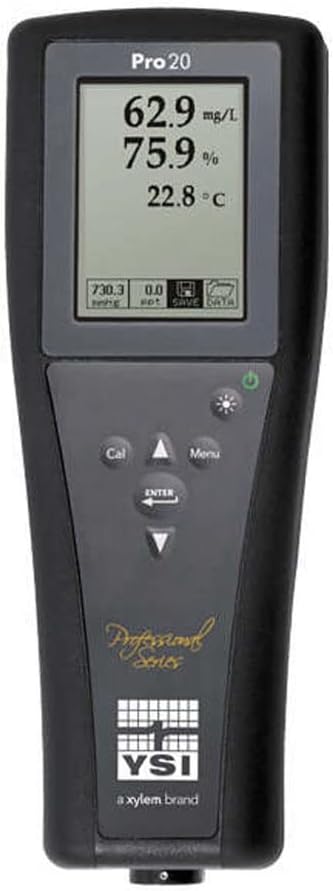
The YSI 6050020 Pro20 is a handheld dissolved oxygen meter built for professionals who need accuracy and speed in the field. Its strong 4.4 rating reflects its reliability for environmental monitoring and water quality assessment tasks.
We may earn a commission when you buy through this link, at no additional cost to you.
The One Touch Cal feature allows you to calibrate the device in just three seconds with a single button press. This efficiency, combined with automatic barometric pressure compensation and data storage for up to 50 sets, streamlines field workflows significantly.
While the device features a clear graphic backlit display and a glow-in-the-dark keypad for low-light use, it is sold as the meter only. This means you must source compatible electrodes separately, which can add to the overall cost of the system.
Choose this meter if you require a robust handheld unit with fast calibration and data logging for environmental or research applications. It is a premium option that prioritizes user convenience and measurement accuracy in demanding outdoor conditions.
The One Touch Cal function reduces setup time, letting you focus on sampling rather than configuring the instrument. This is ideal for technicians doing multiple measurements across different sites.
Storing up to 50 data sets internally means you no longer need to write down readings manually. This reduces human error and ensures accurate records for reports or analysis.
We may earn a commission when you buy through this link, at no additional cost to you.
The YSI 6900 ProDSS ODO sensor is a specialized optical probe designed to integrate seamlessly with YSI's multi-parameter water quality systems. It represents a high-end solution for users requiring precise dissolved oxygen measurements within a broader monitoring network.
We may earn a commission when you buy through this link, at no additional cost to you.
Optical sensors like this one typically offer improved longevity and reduced maintenance compared to electrochemical alternatives. The module is built for professional-grade use, providing accurate data that is essential for industrial, environmental, or research water quality projects.
However, this sensor is intended to be used as part of a larger ProDSS configuration, meaning it cannot function as a standalone handheld unit. Users must have the compatible system infrastructure to utilize the sensor effectively, which is an important consideration before investing.
This sensor is the best choice for professionals who already use or plan to use the YSI ProDSS platform for comprehensive water quality analysis. It offers superior performance and reliability for continuous monitoring setups that demand high accuracy and minimal downtime.
Optical sensors generally avoid the need for frequent membrane changes and solution refills. This leads to lower maintenance and higher uptime compared to traditional galvanic or polarographic probes.
The sensor is engineered to work perfectly with YSI's multi-parameter systems, allowing you to measure dissolved oxygen alongside other key water quality indices in a single, streamlined device.
We may earn a commission when you buy through this link, at no additional cost to you.
This Dissolved Oxygen Meter with ATC offers an extended measurement range up to 40.0 mg/L, making it suitable for a wider variety of applications than standard meters. With a solid 4.3 rating, it is an excellent choice for hobbyists and beginners who need reliable results.
We may earn a commission when you buy through this link, at no additional cost to you.
The Automatic Temperature Compensation function ensures accurate readings across temperatures from 0 to 50 degrees Celsius. The kit includes necessary calibration powder and protective covers, providing everything you need to start using it right out of the box.
One trade-off is the absence of a backlight, which might make readings harder to see in low-light conditions. However, the clear LCD display and straightforward design still provide a good user experience for general water quality monitoring.
For those needing a cost-effective meter for aquariums, ponds, or basic lab work, this device delivers strong performance at an accessible price point. It balances extended range capabilities with essential calibration tools, making it a smart buy for entry-level users.
The expanded 0 to 40 mg/L range allows you to measure oxygen in diverse environments, from low-oxygen industrial tanks to highly aerated ponds. This flexibility adds value for varied testing needs.
Including calibration powder and protective covers means you can set up the meter immediately without needing to buy extra supplies. This convenience saves time and money for new users.
We may earn a commission when you buy through this link, at no additional cost to you.
The Dissolved Oxygen Meter for Pond is a digital test kit designed for aquarium and koi pond owners. It offers dual measurement units in mg/L and percentage saturation, making it easier to interpret results for aquatic health.
We may earn a commission when you buy through this link, at no additional cost to you.
Equipped with a 3.6-foot electrode cable, you can easily measure deeper water in ponds and fish tanks. The kit includes essential items like zero-oxygen water calibration solution and electrolyte solution, simplifying the setup process for users.
Despite its convenience, this model has a lower average rating, which suggests potential variability in accuracy or durability over time. Careful calibration and maintenance are important to ensure reliable readings, especially for critical applications like maintaining fish health.
If you need a simple, portable tool to check dissolved oxygen in ponds, hydroponics, or small tanks, this meter is a viable option. It balances affordability with useful features like backlit display, though regular calibration is key to its performance.
Showing results in both mg/L and percent saturation helps users understand oxygen levels relative to water temperature and salinity. This dual display supports better decision-making for pond health.
The included calibration solution and membranes provide immediate usability. This saves you from purchasing extra items and ensures you can calibrate the device right after unboxing.
We may earn a commission when you buy through this link, at no additional cost to you.
This Dissolved Oxygen Tester stands out with an impressive 11.48-foot cable, allowing you to sample deep water without lifting the entire device. With a 4.0 rating, it offers versatile measurement options for aquaculture, environmental, and educational applications.
We may earn a commission when you buy through this link, at no additional cost to you.
The device stores up to 99 data points and includes an IRDA port for transferring information to a computer. This feature is invaluable for researchers or professionals who need to keep detailed records for reports or trend analysis.
In addition to dissolved oxygen, it measures temperature, salinity, and barometric pressure, offering a comprehensive water quality profile. However, the IRDA interface may feel outdated compared to modern USB or Bluetooth connections, which might affect compatibility with newer devices.
For those who need a portable meter with extensive memory and multi-parameter capability for monitoring complex aquatic systems, this unit delivers strong utility. It is a practical choice for users who prioritize detailed data tracking and flexibility in the field.
The 11.48-foot cable lets you measure oxygen levels at various depths without moving your position. This is ideal for deep ponds, tanks, or rivers where surface readings are insufficient.
With 99 memory slots and an IRDA port, you can store and download measurement histories easily. This supports better long-term tracking and reporting for professional or educational projects.
We may earn a commission when you buy through this link, at no additional cost to you.
The Milwaukee MW600 LED is a portable dissolved oxygen meter designed for educational, water analysis, and environmental applications. With a 4.2 rating, it delivers reliable measurements suitable for classrooms and basic monitoring tasks.
We may earn a commission when you buy through this link, at no additional cost to you.
Its polarographic probe with a 3-meter cable offers a good balance of portability and reach for most field or lab settings. The device supports two-point manual calibration and automatic temperature compensation, ensuring accurate readings across different water conditions.
While the 19.0 mg/L range and manual calibration are sufficient for most general uses, they may limit advanced users who need extended ranges or automated features. Still, the affordability and sturdy design make it a practical choice for institutions.
For schools, labs, or professionals who need a cost-effective meter with proven accuracy, the Milwaukee MW600 LED is a solid investment. It balances essential functionality with a user-friendly design that supports consistent water quality assessments.
The meter's accuracy and resolution make it ideal for demonstrating water quality concepts in educational settings. It provides dependable results that help students understand dissolved oxygen importance.
Two-point manual calibration gives you full control over the calibration process, which can be useful for understanding sensor behavior. This approach ensures you are always aware of the device's status.
We may earn a commission when you buy through this link, at no additional cost to you.
The Apera Instruments AI480 DO850 Optical Kit represents a top-tier option for dissolved oxygen measurement with its optical sensor technology. With a strong 4.8 rating, it eliminates many of the maintenance hurdles associated with traditional electrochemical sensors.
We may earn a commission when you buy through this link, at no additional cost to you.
This device uses a rugged IP67 waterproof design and requires no solution refills or frequent membrane changes. The included 10-foot optical probe allows for convenient testing in hard-to-reach areas, making it ideal for professional field or lab environments.
Auto calibration for saturated air and zero-oxygen streamlines the setup process significantly. However, the premium price reflects these advanced features, so budget-conscious users may find it a significant investment compared to standard options.
If you value reliability, minimal upkeep, and advanced optical technology for critical water quality monitoring, this kit is an excellent choice. It delivers high performance with minimal hassle, perfect for professionals who need consistent results without constant maintenance.
Optical technology avoids the need for membranes and electrolyte refills, which reduces downtime and cost over time. This ensures your testing workflow remains uninterrupted by routine upkeep.
The IP67 waterproof and dust-proof casing protects the device from harsh field conditions. This durability ensures reliable operation even in demanding industrial or outdoor monitoring scenarios.
We may earn a commission when you buy through this link, at no additional cost to you.
The YSI-605203 Pro Series Polarographic Sensor is a specialized component designed for lab supply use. With a 4.6 rating, it is highly trusted for precision measurements in controlled environments and research settings.
We may earn a commission when you buy through this link, at no additional cost to you.
This sensor utilizes polarographic technology, which offers reliable performance for dissolved oxygen analysis. It is packaged as a single unit for lab needs, ensuring it meets quality standards for scientific and industrial testing applications.
While it is a high-quality replacement part, it does not function independently and must be paired with a compatible YSI meter. Users should verify system compatibility before purchase to ensure it fits their existing analytical setup.
For labs and professionals needing a reliable, polarographic sensor component for their existing YSI systems, this product delivers consistent quality. It is an essential choice for maintaining accurate dissolved oxygen monitoring in analytical workflows.
Polarographic sensors are known for their accuracy and stability in lab settings. This ensures your measurements remain precise for research and analytical applications where data integrity is key.
The packaging and design focus on providing a reliable replacement component. This ensures labs can easily procure high-quality sensors to maintain their monitoring and analytical workflows.
We may earn a commission when you buy through this link, at no additional cost to you.
Selecting the right dissolved oxygen sensor requires understanding your specific application, desired accuracy, and maintenance capabilities. This guide breaks down the key factors to help you make an informed decision.
Dissolved oxygen sensors generally fall into two categories: electrochemical (galvanic or polarographic) and optical. Electrochemical sensors measure oxygen through a chemical reaction that requires regular membrane and electrolyte maintenance. Optical sensors use luminescence quenching to measure oxygen, which typically requires less maintenance and offers longer life.
Choose optical if you want minimal maintenance and are willing to pay a premium. Choose galvanic or polarographic if you need a more affordable option and are comfortable with regular upkeep.
Most standard sensors measure between 0 and 20 mg/L, but some extend up to 40 mg/L. Accuracy is often expressed as a percentage of reading or full-scale value. Higher accuracy is critical for research, industrial processes, and sensitive aquatic environments.
Ensure the sensor's range and accuracy meet your specific application needs. For general monitoring, standard accuracy is often sufficient, but precise scientific work demands higher specs.
Calibration is necessary to ensure sensor accuracy. Some units require two-point calibration (zero and saturation), while others support one-point. Look for features like One Touch Cal or automatic compensation to simplify this process.
Select a device that offers easy calibration methods to reduce setup time. Automatic features can significantly streamline workflows, especially in field monitoring scenarios.
Response time is how long it takes for the sensor to reach a stable reading after being placed in water. Faster response times are crucial for intermittent power supplies or low-power IoT systems where quick measurements are needed.
Prioritize sensors with fast response times, such as those reaching 98% full response in 90 seconds or less, for real-time monitoring applications.
Environmental conditions can affect sensor lifespan. Look for features like IP67 waterproof and dust-proof protection if you plan to use the device outdoors or in harsh environments. Rugged construction ensures longevity and reliability.
Always check the IP rating and build quality to ensure the sensor can withstand your intended operating conditions.
If you need to log data or integrate with other systems, check for connectivity options like data memory, USB ports, or analog outputs. Some sensors are designed for specific platforms like Arduino or ESP32 for custom IoT projects.
Choose a sensor that supports the data storage or communication features you need. This ensures seamless integration into your broader monitoring setup.
Consider the long-term maintenance requirements. Some sensors need frequent membrane changes and electrolyte refills, while others require minimal upkeep. Consumables costs can add up over time, so factor this into your budget.
Opt for sensors with replaceable parts to avoid replacing the entire unit when consumables run out. This reduces long-term costs significantly.
User-friendly interfaces, backlit displays, and simple menu systems make operation easier. Look for features like automatic temperature compensation to ensure accurate readings without manual adjustments.
A straightforward user experience saves time and reduces the chance of operator error, especially for non-specialist users.
Always calibrate your sensor before first use and periodically according to the manufacturer's instructions. Use fresh calibration solutions and ensure the sensor is clean before starting the process for accurate results.
When measuring, ensure the sensor probe is fully submerged and free of air bubbles. Stir the water gently during measurement to ensure consistent readings and avoid stagnant pockets that may skew results.
After use, rinse the probe with distilled water and store it in a moist environment or storage solution if required. Replace membranes and electrolytes as needed to maintain sensor performance and extend its lifespan.
Most aquatic life requires dissolved oxygen levels of at least 6 mg/L. Maintain levels between 5 and 10 mg/L for healthy fish growth in ponds and aquariums. Use a dissolved oxygen sensor to monitor regularly and ensure adequate aeration.
Calibrate your sensor before first use and every time you notice significant drift or after moving to a different environment. For fieldwork, a quick calibration every few hours ensures accuracy. Refer to the manufacturer's guidelines for specific recommendations.
Galvanic sensors produce their own voltage and do not require an external power source, while polarographic sensors need an applied voltage to function. Galvanic sensors often require less maintenance, but polarographic sensors can offer faster response times in some applications.
Fluctuations can occur due to temperature changes, unstable power, or inadequate water movement around the probe. Ensure the water is properly aerated and the sensor is calibrated. Temperature compensation features help stabilize readings.
Yes, optical dissolved oxygen sensors still require calibration, but typically less frequently than electrochemical sensors. They usually need one-point calibration in ambient air. Follow the specific instructions provided with your device for optimal performance.
Most sensors feature a screw-on cap design that allows for tool-free membrane replacement. Unscrew the cap, remove the old membrane, clean the electrode, and attach a new membrane with the provided solution. Always handle membranes carefully to avoid punctures.
The top picks for dissolved oxygen sensors include the Apera Instruments Optical Kit for premium performance, the Gravity Analog Kit for budget-friendly IoT projects, and the YSI Pro20 for professional field sampling.
When choosing, prioritize the sensor technology that matches your maintenance preferences, ensure the measurement range fits your needs, and look for features like calibration ease and connectivity options.
Prices and availability change frequently, so check the current links and specifications before making your final purchase to ensure you are getting the best value for your specific application.