
MT-92H Light Meter
4.6Editor score
Split sensor design
Dual measurement units
High-visibility display
Discover the top analog light meters for photography and cinematography. This guide compares ten reliable models for accurate exposure readings.
Finding the right tool for precise exposure is essential for any serious photographer. An analog light meter provides reliable readings without relying on complex digital interfaces.
We have evaluated ten top models based on accuracy, durability, and user feedback. Our comparison highlights the strengths of each device for various lighting conditions.
Each selection offers unique features to suit different shooting styles. Note that availability and specifications may change, so verify details before purchasing.
4.6Editor score

4.6Editor score
5.0Editor score
This section provides a side-by-side look at the key specifications and capabilities of every model included in our list.

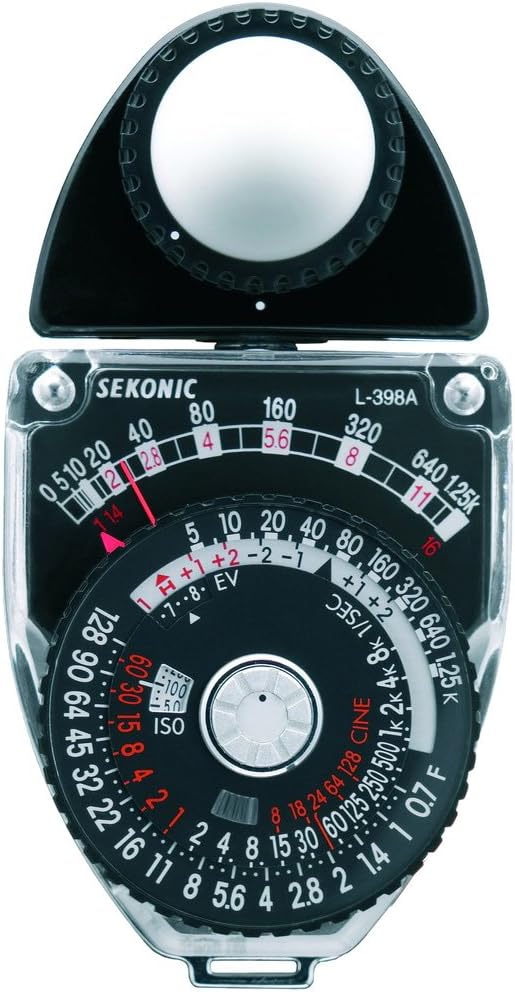


This model stands out as the top choice for photographers who value simplicity and reliability. It offers consistent performance without the need for power sources.
We may earn a commission when you buy through this link, at no additional cost to you.
The integrated amorphous photocell ensures it is always ready to measure light. The full dial readout allows quick visual checks of aperture and shutter speed settings.
Some users might find the analog interface less intuitive than digital screens. However, this trade-off ensures longevity and independence from battery availability.
Ideal for studio professionals and cinematographers who need a durable tool that works anywhere. It remains a benchmark for analog metering technology.
The battery-free design means you never face a dead meter during a shoot.
The large dial provides immediate exposure information without navigating menus.
We may earn a commission when you buy through this link, at no additional cost to you.
This device is excellent for general illuminance tasks rather than specific photographic exposure. It covers a massive range of light levels effectively.
We may earn a commission when you buy through this link, at no additional cost to you.
The ability to measure ambient temperature alongside light adds value for environmental monitoring. The color LCD ensures readings are visible in various conditions.
It lacks the precision required for critical photography work. Users should consider this for facility management or home use cases.
Best suited for those needing a versatile tool for multiple environments. It provides a balance of functionality and ease of use.
Captures light from low lux up to 200,000 Lux for diverse settings.
Combines light and temperature readings for comprehensive environmental checks.
We may earn a commission when you buy through this link, at no additional cost to you.
Cinematographers often prefer this version for its specific accessory kit and ergonomic design. It allows for flexible light checks across a set.
We may earn a commission when you buy through this link, at no additional cost to you.
The swivel head helps maintain visibility of the dial while positioning the sensor accurately. The included strap and case protect the device during travel.
It shares core features with the standard edition but focuses on set usability. The lack of digital options might limit some modern workflows.
This choice is ideal for film production teams prioritizing durability. It supports efficient lighting adjustments without electronic dependencies.
The design allows easy walking the set while checking light levels.
Accessories like the Lumidisc help with selective area readings.
We may earn a commission when you buy through this link, at no additional cost to you.
This model offers advanced features like split sensing at an accessible cost. It is suitable for quick environmental checks and lighting setups.
We may earn a commission when you buy through this link, at no additional cost to you.
The refresh rate captures subtle changes in light almost instantly. The split sensor ensures the reading area stays clear during measurement.
While accurate for general purposes, it may not match professional photography meters. Users should ensure they have batteries on hand for use.
Perfect for students or hobbyists needing reliable data. It bridges the gap between cheap testers and professional tools.
Allows flexible positioning while keeping the display visible.
Half-second refresh ensures you do not miss light shifts.
We may earn a commission when you buy through this link, at no additional cost to you.
This device is designed for speed and simplicity. It captures high-intensity pulses effectively with its PEAK function.
We may earn a commission when you buy through this link, at no additional cost to you.
The conversion between FC and LUX makes it versatile for international users. The low battery alert ensures you are never caught off guard.
It is better suited for general illumination checks than precise photography. The 9V battery requirement is standard but requires attention.
Ideal for gardening or office lighting checks. It provides solid performance for routine monitoring tasks.
The PEAK button locks in high-intensity light values instantly.
Unit conversion supports different regional measurement standards easily.
We may earn a commission when you buy through this link, at no additional cost to you.
The remote sensor makes this meter ideal for hard-to-reach areas. It ensures accurate data collection without moving the main unit.
We may earn a commission when you buy through this link, at no additional cost to you.
Zero adjustment and relative modes help stabilize readings in changing environments. The backlit display is clear in dim settings.
It is robust but may offer a lower maximum range than others. This limits its use in extremely bright outdoor conditions.
Best for facility safety and workplace inspections. It combines reliability with practical features for maintenance tasks.
The sensor can be placed independently for accurate spot readings.
Designed for safe and efficient workplace lighting verification.
We may earn a commission when you buy through this link, at no additional cost to you.
This vintage meter is known for its ability to transfer readings to a setting ring. It suits photographers who prefer tactile controls.
We may earn a commission when you buy through this link, at no additional cost to you.
The built-in alarm and temperature features offer utility beyond lighting. It represents a classic approach to exposure measurement.
It may feel less refined compared to modern digital counterparts. The learning curve can be steeper for new users.
Recommended for enthusiasts who appreciate legacy equipment. It provides unique features not found in newer models.
Digital readout transfers easily to setting rings for quick adjustments.
Includes clock and temperature readouts for extra utility.
We may earn a commission when you buy through this link, at no additional cost to you.
Fluke is synonymous with reliable industrial testing equipment. This meter delivers precise illuminance data for demanding environments.
We may earn a commission when you buy through this link, at no additional cost to you.
It is built to withstand tough conditions and maintain accuracy over time. The design prioritizes function and durability for professionals.
While excellent for industry, it may lack specific photographic modes. It is a specialized tool for safety and compliance.
Ideal for engineers and facility managers. It ensures lighting meets required standards consistently.
Fluke standards guarantee high performance and long-term reliability.
Ensures lighting levels meet workplace safety regulations.
We may earn a commission when you buy through this link, at no additional cost to you.
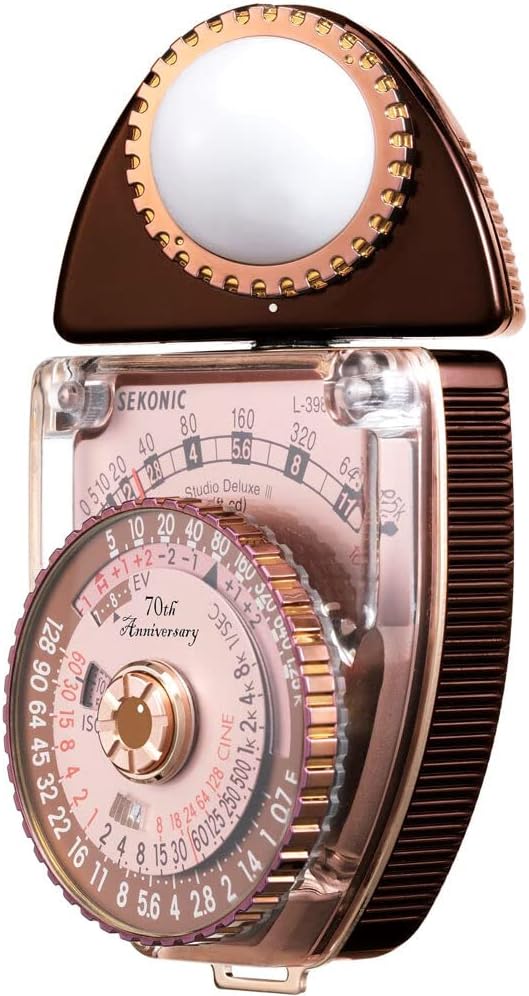
This limited edition model celebrates decades of exposure measurement innovation. It offers the best features of the series in a premium build.
We may earn a commission when you buy through this link, at no additional cost to you.
The instant readout of aperture and shutter combinations saves time. It is designed for professionals who demand excellence.
The price reflects its exclusivity and special design. It is an investment for serious practitioners or collectors.
Best for those who want top-tier performance and style. It honors the legacy of analog metering effectively.
Commemorates 70 years of trusted light metering technology.
Provides instant full-range data for rapid workflow adjustments.
We may earn a commission when you buy through this link, at no additional cost to you.
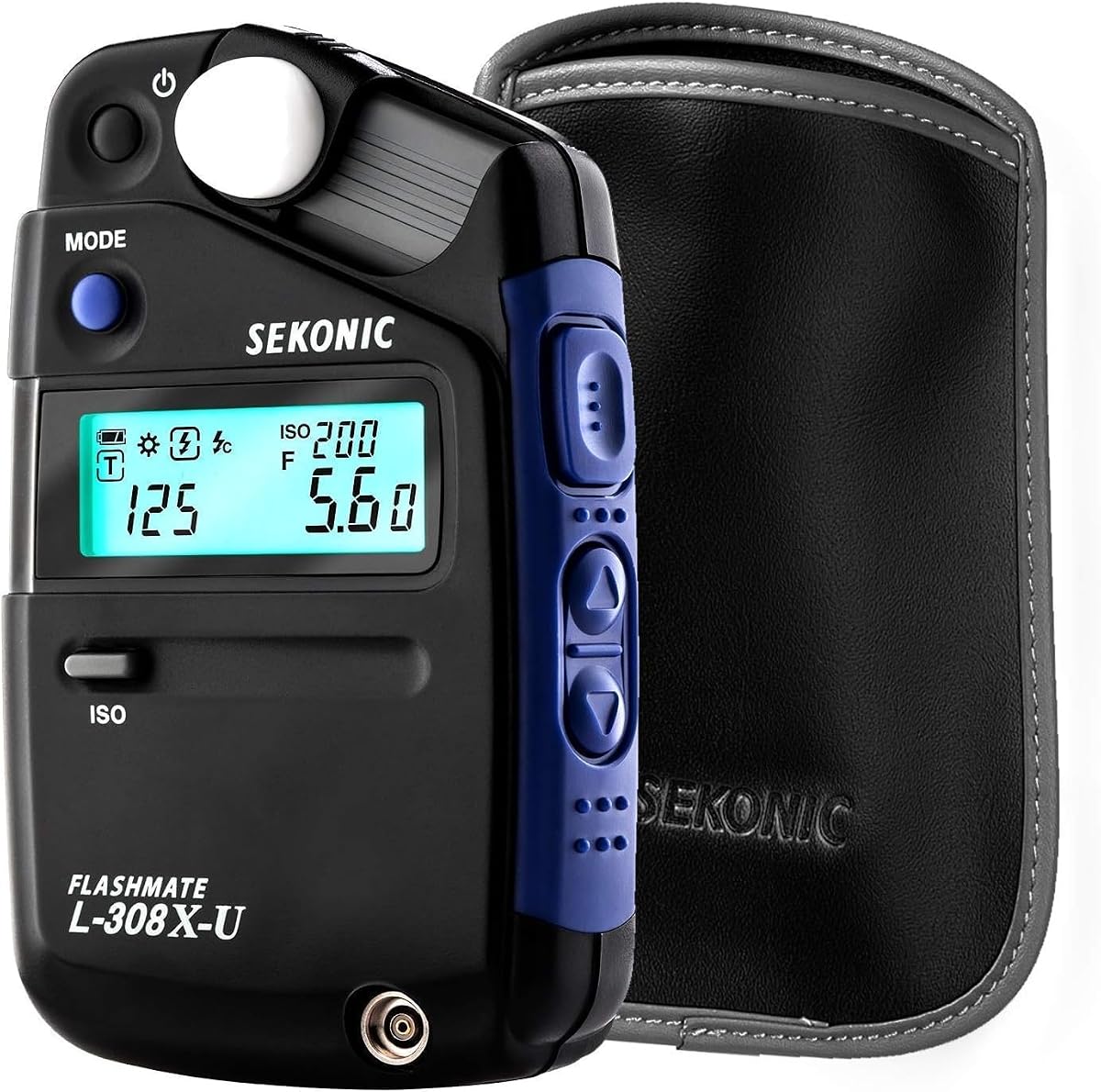
This compact digital meter brings modern convenience to a small form factor. It supports both still photography and videography needs.
We may earn a commission when you buy through this link, at no additional cost to you.
The Cine modes allow precise control over frame rates and shutter angles. The auto backlight ensures readability in dark situations.
It relies on batteries which can be a downside for long shoots. However, its accuracy and flexibility make up for this.
Ideal for modern hybrid shooters. It bridges the gap between traditional analog and digital needs.
HD Cine mode offers control for DSLR and mirrorless video.
Pocket-sized format ensures it is always ready for use.
We may earn a commission when you buy through this link, at no additional cost to you.
Selecting the right meter depends on your specific needs and shooting environment. This guide outlines the key factors to consider.
Analog meters use needles and dials while digital models show numbers. Analog often requires no batteries but offers fewer features.
Choose analog for simplicity and digital for advanced data tracking.
Most meters support incident and reflected light readings. Incident measures light hitting the subject while reflected measures light bouncing off.
Ensure the model supports the specific mode you need.
Professional photography demands high precision. Look for models with high accuracy ratings to ensure correct exposures.
Higher accuracy helps avoid lost shots and lighting errors.
Field work requires a tough construction. Materials like metal housing protect the device from drops and weather.
Invest in a rugged build for outdoor use.
Attachments like diffusers expand functionality. A Lumisphere allows 3D object measurement while a disc helps selective readings.
Check if essential accessories are included with the device.
Some meters run on batteries while others are self-powered. Battery-free options prevent interruptions but rely on ambient light.
Select a power option that fits your workflow.
The display should be readable in various lighting conditions. Backlit screens help in dark environments while large dials aid quick checks.
Test the interface to ensure it matches your comfort.
Prices vary significantly between basic and professional models. Determine your spending limit and focus on key features.
Avoid overspending on features you will not use.
To use an incident meter, point the dome toward the camera from the subject's position. Press the button to get the reading and adjust your settings accordingly.
Keep the sensor clean to maintain accuracy. Use a soft brush to remove dust and store it in a case when not in use.
For battery-powered models, replace cells immediately when the low warning appears. Regular maintenance ensures consistent performance over time.
Incident meters measure light falling on the subject while reflected meters measure light coming from the subject. Incident is generally more accurate for consistent exposure.
Many analog meters operate without batteries using photocells. However some electronic analog designs may need power for digital displays or circuits.
Yes many meters support cine modes or shutter speed inputs. Ensure the model has the specific features needed for frame rates.
Modern digital meters offer high precision often exceeding analog. They provide numerical data which is easier to record and compare.
General photography ranges from 0 to 200,000 Lux. Check the maximum limit to ensure it handles bright outdoor conditions.
Yes dedicated flash meters measure electronic flash. Ensure the device supports flash sync speeds for accurate measurements.
Calibration depends on usage frequency. Professional tools should be checked annually or if readings seem off.
Major online retailers offer a wide selection. Always verify the seller and warranty terms before purchasing.
We reviewed ten models ranging from budget-friendly to premium. The Sekonic L-398A remains a top pick for its reliability.
Prioritize accuracy and durability for your specific needs. Ensure the device supports your primary shooting styles.
Check current availability before making a decision. Prices and stock may change over time.