
Wireless Auto-Focus 13MP
4.2Editor score
Wireless charging capability
High definition autofocus
Anti-fog lens coating
Modern dental practices rely heavily on visual documentation to enhance patient understanding and treatment acceptance. A high-quality dental camera allows clinicians to capture clear, detailed images of the oral cavity for precise diagnosis and communication.
We have evaluated ten leading intraoral cameras based on image resolution, software compatibility, ease of use, and ergonomic design. Our analysis focuses on models that integrate seamlessly with popular dental imaging suites and provide reliable performance.
Each selection in this guide highlights specific strengths and ideal use cases for different clinical environments. Please note that product availability and pricing may change frequently, so verify current details before making your final purchase decision.
4.2Editor score

4.5Editor score

4.0Editor score
As an Amazon Associate we earn from qualifying purchases.
This side-by-side comparison highlights the core specifications and capabilities of each selected intraoral camera to help you identify the best fit for your clinical needs.
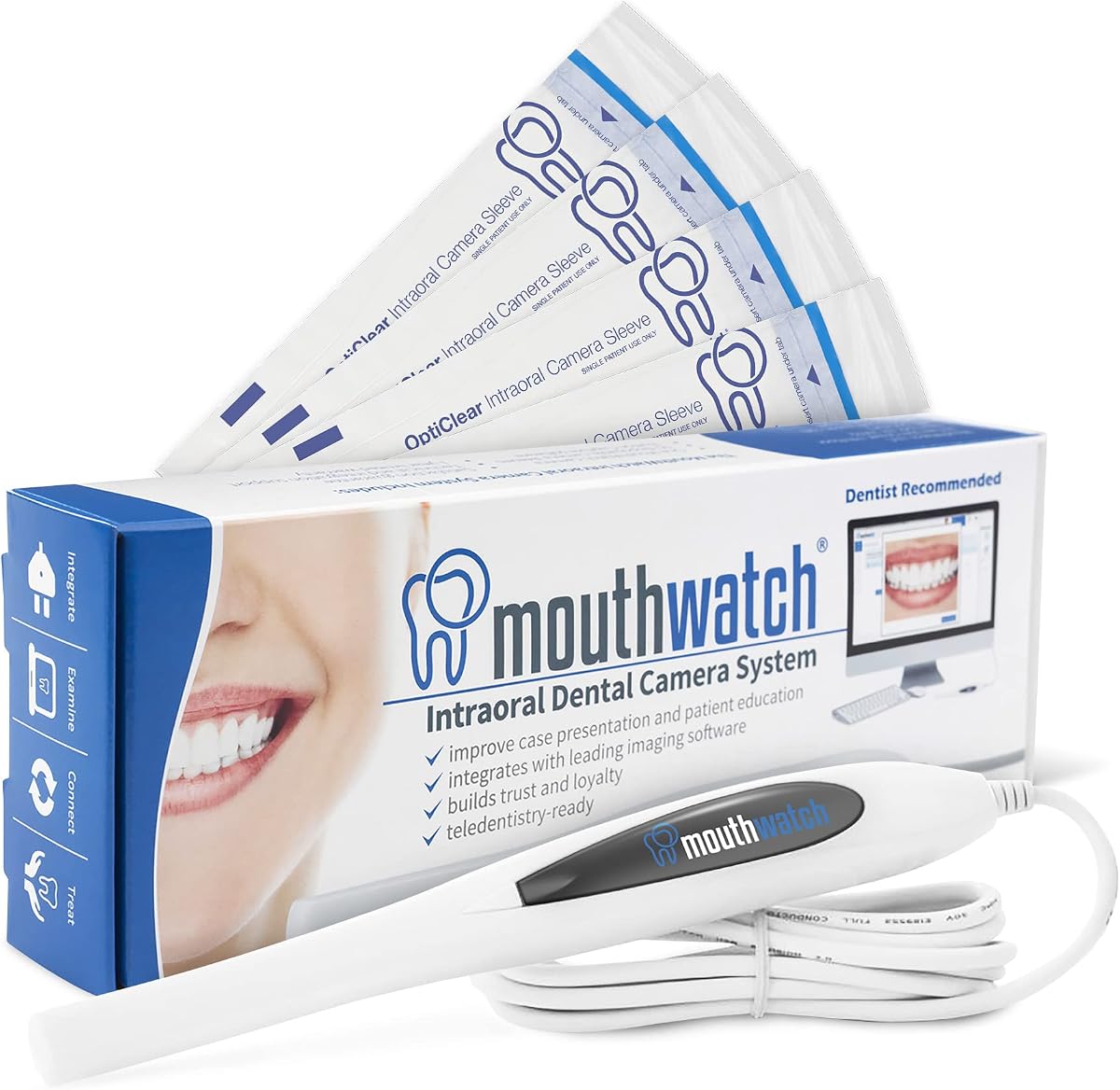


The DY-50 Intraoral Camera stands out as a top choice for dental professionals seeking reliable image capture and seamless software integration. Its high resolution and compatibility with major imaging suites make it a versatile tool for modern practices.
We may earn a commission when you buy through this link, at no additional cost to you.
This camera delivers crystal clear pictures that help patients understand their oral health needs effectively. The included capture button driver ensures smooth operation with software like Eaglesoft, Dexis, and Dentrix, reducing setup time significantly.
While the wired connection limits movement compared to wireless models, the stable USB link ensures consistent performance without battery concerns. The ergonomic design and lightweight build minimize hand fatigue during long examination sessions.
Practices prioritizing broad software compatibility and image clarity will find this model an excellent investment. It balances cost and functionality well for clinics looking to upgrade their diagnostic documentation tools.
The included driver allows the capture button to work directly within your existing dental management software.
Anti-fog coating and non-spherical lens ensure sharp images without distortion during intraoral procedures.
We may earn a commission when you buy through this link, at no additional cost to you.
This model prioritizes speed and ease of use with a single button capture that saves time during patient interactions. The fixed focal distance eliminates auto-focus hunting which ensures immediate clear images every time.
We may earn a commission when you buy through this link, at no additional cost to you.
The camera is designed to help dental professionals efficiently show patients exactly what needs treatment. With over 50 integrations available, it works well with most major imaging solutions out of the box.
At just 31 grams, the ergonomic design allows for comfortable use even during extended clinical hours. The proprietary capture software included simplifies the setup process for busy office environments.
Clinics looking for a fast reliable tool that minimizes friction during exams should consider this option. It excels at quick documentation without sacrificing image quality or software compatibility.
Save time with every patient interaction by using a quick lag-free click to capture and save images.
Integration is typically done in under five minutes with clear instructions provided with each camera.
We may earn a commission when you buy through this link, at no additional cost to you.
The DARYOU DY-60 offers a practical zoom feature that allows clinicians to get closer views of specific dental details. Its 720P HD resolution provides sufficient clarity for most routine diagnostic and educational purposes.
We may earn a commission when you buy through this link, at no additional cost to you.
Like many top picks it comes with a capture button driver that works with a wide range of software including Dexis and Eaglesoft. This ensures that your workflow remains smooth without needing extra hardware.
The zoom capability adds flexibility when examining areas that require magnification beyond standard imaging. It is particularly useful for showing patients small cracks or decay that might otherwise be hard to visualize clearly.
This camera represents good value for practices wanting zoom functionality at a moderate price point. It is best suited for general dentistry where extreme resolution is not the primary requirement.
Super clear USB work with multiple software suites including Dexis and Apteryx easily.
Don't buy if imaging software is not in the list unless you agree to use camera software.
We may earn a commission when you buy through this link, at no additional cost to you.
This wireless model offers the ultimate operational flexibility by eliminating cables that can clutter the clinical workspace. Simply place it on the included wireless charging base to recharge ensuring the device is always ready.
We may earn a commission when you buy through this link, at no additional cost to you.
Built with a 13MP sensor and smart autofocus it produces crisp detailed images for convenient observation of teeth and gum conditions. Eight integrated LED beads provide uniform bright light inside the mouth for all-round inspection.
The stable WiFi connection ensures smooth transmission without freezing or lag during live patient presentations. It also works well with most dental management software via the included USB receiver for flexibility.
Clinics wanting a cable-free experience will appreciate the freedom this camera provides. Just ensure you plan for regular charging to avoid interruptions during busy examination days.
Designed with wireless transmission technology this intraoral camera offers you the ultimate in operational flexibility.
Eight integrated LED beads provide uniform bright light inside the mouth with no dark corners.
We may earn a commission when you buy through this link, at no additional cost to you.
The ProDENT HD camera features an automatic power-off function that activates when the device is placed in its holder. This saves energy and extends the lifespan of the device during busy clinic hours.
We may earn a commission when you buy through this link, at no additional cost to you.
It is fully compatible with most American image software like Dexis and Eaglesoft ensuring seamless integration. The capture button helps the camera work seamlessly with different software including Opennental and Curvehero.
Connecting via USB 2.0 is easy with a quick connect disconnect connector that simplifies daily use. Customer support is available via email and phone to make integration straightforward for all users.
This option is well-suited for clinics using Windows systems that need reliable auto power management. It balances functionality with ease of maintenance for daily clinical documentation.
ProDENT HD dental intraoral camera provides auto off when put into holder to save power.
ProDENT CAPTURE app helps intraoral camera button seamlessly work with different software.
We may earn a commission when you buy through this link, at no additional cost to you.
This budget-friendly model provides essential features like a slim 6mm lens tip that easily reaches back molars and interdental gaps. It is a great entry point for small clinics or educational settings.
We may earn a commission when you buy through this link, at no additional cost to you.
The dual control buttons allow for flexible one-click photo capture from either side of the handle. This design supports both left and right handed use comfortably during examinations.
A magnetic holder automatically turns off the lights when the camera is hung up to prolong service life. This simple feature helps manage power usage without manual intervention by staff.
For those needing an affordable and reliable tool for daily check-ups this camera fits the bill. It serves as an excellent tool for facilitating dentist-patient communication at a lower price point.
Slim 6mm mini lens tip easily reaches back molars and interdental gaps comfortably.
Double sided buttons for one-click photo capture with magnetic holder auto turns off lights.
We may earn a commission when you buy through this link, at no additional cost to you.
This camera offers high resolution imaging with a 1/4 inch CMOS sensor that delivers sharp detailed images for accurate dental examinations. It is designed to work with all dental software on the market for maximum versatility.
We may earn a commission when you buy through this link, at no additional cost to you.
No external power is needed as it connects via USB 2.0 for instant operation. This plug and play design is ideal for clinics and mobile dental setups where convenience matters.
The ergonomic dual button design features front and back capture buttons for flexible operation during procedures. A standard magnetic mount automatically turns off the white LED lights when hung to save energy.
For users seeking high resolution without breaking the bank this is a strong contender. It ensures optimal visibility of oral structures within a broad focus range.
1/4 CMOS sensor with 13.0 megapixels delivers sharp detailed images for accurate dental examinations.
No external power needed simply connect via USB 2.0 for instant operation.
We may earn a commission when you buy through this link, at no additional cost to you.
This premium model features built-in diagnostic software that can analyze captured images to automatically identify oral conditions. It bridges the communication gap between dentists and customers through crystal clear imaging.
We may earn a commission when you buy through this link, at no additional cost to you.
The zero-latency capture and 5mm to 50mm fixed focus cut out blurry auto-focus delays completely. This allows dental teams to visually demonstrate oral concerns to customers with great efficiency.
Proprietary capture software supports all major imaging solutions with over 50 integrations available. Tutorials let most users complete device connection in less than 10 minutes easily.
Practices invested in patient communication will value the diagnostic features and clarity here. The robust support team offers fast assistance to resolve any operational issues promptly.
Brilliant customer-focused imaging snaps bright sharp oral photos to bridge the communication gap.
Built-in oral diagnostic software can analyze captured images to identify conditions automatically.
We may earn a commission when you buy through this link, at no additional cost to you.
This camera adopts an upgraded 4.8mm ultra-thin probe design that can be inserted with a slight opening of the mouth. It is suitable for different populations including children or those with limited jaw opening.
We may earn a commission when you buy through this link, at no additional cost to you.
Equipped with a high-resolution CMOS sensor and eight built-in high-brightness LEDs it ensures optimal illumination in low-light conditions. The LED light automatically turns off when hung up to save energy.
The USB 2.0 controller cable connects directly to a computer without complex settings for easy operation. Front and back dual capture buttons support flexible left and right hand operation.
For patient comfort and ease of use this thin lens design is a strong advantage. It maximizes comfort while maintaining clear image quality for precise oral examinations.
Equipped with a high-resolution CMOS sensor and eight built-in high-brightness LEDs for optimal illumination.
4.8mm ultra-thin probe design suitable for different populations maximizing patient comfort.
We may earn a commission when you buy through this link, at no additional cost to you.
This handheld tool is specifically engineered for Android systems and Windows environments with a versatile 3-in-1 connector. It supports a wide range of OTG-enabled Android personal devices and computers easily.
We may earn a commission when you buy through this link, at no additional cost to you.
The IP67 water-resistant rating allows for safe surface rinsing after each use to ensure material integrity. Six adjustable high-intensity LED lights ensure every corner is well-lit with shadow-free illumination.
It is ideal for daily personal care routines or visual inspection of hard-to-reach surface details. The consistent bright inspection experience makes it easy to identify areas that require closer attention.
Users who need multi-device compatibility and durable design will find this useful. Verify your device parameters before selection since it is not compatible with iOS systems.
Featuring an integrated 3-in-1 connector this camera ensures a stable plug-and-play experience.
The IP67 water-resistant rating allows for safe surface rinsing after each use.
We may earn a commission when you buy through this link, at no additional cost to you.
Selecting the right dental camera requires careful consideration of technical specs and workflow needs.
Resolution determines the level of detail you can see in captured images. Look for cameras with at least 720P or higher to ensure accurate diagnosis and clear patient education visuals. High-resolution sensors help identify small cracks or early decay that might be missed otherwise.
Prioritize models with HD resolution for better diagnostic confidence and patient trust.
Your camera must integrate seamlessly with your existing dental management software to avoid workflow disruptions. Check if the manufacturer provides drivers or capture buttons that work with suites like Dexis, Eaglesoft, or Dentrix. Incompatibility can lead to manual entry and lost time.
Verify software support before purchasing to ensure smooth daily operations.
Since dental professionals use these cameras frequently, weight and shape matter significantly. Lighter models reduce hand fatigue during long appointments and allow for better maneuverability in tight spaces. An ergonomic handle ensures steady shots and patient comfort.
Choose a lightweight camera with a comfortable grip for daily clinical use.
Wireless cameras offer freedom of movement but require charging and stable WiFi. Cabled models provide reliable connection without battery anxiety but can clutter the workspace. Consider your workflow volume and available charging infrastructure before deciding.
Match the connection type to your clinic's technical setup and preference.
Slimmer lens tips make accessing posterior teeth easier and improve patient comfort. A wide focal range or auto-focus capability helps get clear shots without constant adjustments. Fixed focus models save time but limit flexibility.
Opt for a slim lens with a suitable focus range for your specific needs.
Bright LEDs ensure the oral cavity is well-lit without relying on room lights. Look for adjustable brightness and anti-glare features to avoid patient discomfort. Good lighting is essential for capturing clear images of dark areas.
Prioritize cameras with multiple adjustable LEDs for consistent illumination.
Clinical environments can be harsh so water resistance and protective coatings are vital. Anti-fog lens coatings prevent condensation during procedures which maintains image quality. A sturdy build ensures the camera lasts longer in daily use.
Look for IP ratings and anti-fog features for longevity and clarity.
Balancing cost with features is key when buying dental cameras. Higher prices often bring better resolution or wireless features but may not be necessary for all clinics. Consider how often you will use the tool and what value it brings.
Set a realistic budget while ensuring essential features are covered.
Always insert a sterile sheath over the camera tip before entering the oral cavity to maintain hygiene standards. Ensure the lens is clean and free from debris before starting any imaging procedure.
Capture images by pressing the designated button on the handle once the camera is positioned correctly. Check the software interface to confirm the image was saved properly to the patient record.
After use, clean the camera body gently with approved disinfectants and let it dry fully before storage. Regularly check the USB connection or charging base for any signs of wear or damage.
Many models support Windows primarily but some offer drivers or software for Mac. Check the product specifications carefully before buying if you run a macOS environment.
Most cameras come with basic viewer tools but you typically need dental management software to integrate patient records. Ensure your clinic has compatible software installed for full functionality.
LEDs generally last thousands of hours but using the holder to auto-off lights extends their lifespan. Follow the manufacturer's guidelines to avoid unnecessary wear on the lighting system.
Absolutely many dental offices use these cameras to show patients their oral health issues visually. It helps improve understanding and acceptance of recommended treatments significantly.
Some models include a small pack of sheaths but you may need to purchase bulk replacements separately. Check the package contents to see if a sheath is provided in the box.
You might need to use the camera's proprietary software or contact support for a driver update. If compatibility is critical consider models known for broader integration support.
Use a soft microfiber cloth to wipe the lens gently after removing the sheath. Avoid harsh chemicals that might damage the optical coating or protective lens layer.
Many dental cameras support both still images and video recording for dynamic assessment. Check the specific model details to confirm video capabilities if needed for your workflow.
We have covered ten top dental cameras that vary in features from wireless freedom to high resolution imaging. Each option brings unique benefits depending on your budget, software, and clinical needs.
Prioritize software compatibility and ergonomics when making your final decision since these impact daily workflow the most. Investing in a reliable camera can significantly enhance patient communication and practice efficiency.
Remember to check current availability and verify your specific requirements before purchasing. Product details and pricing may change so confirm the latest specs to ensure satisfaction.