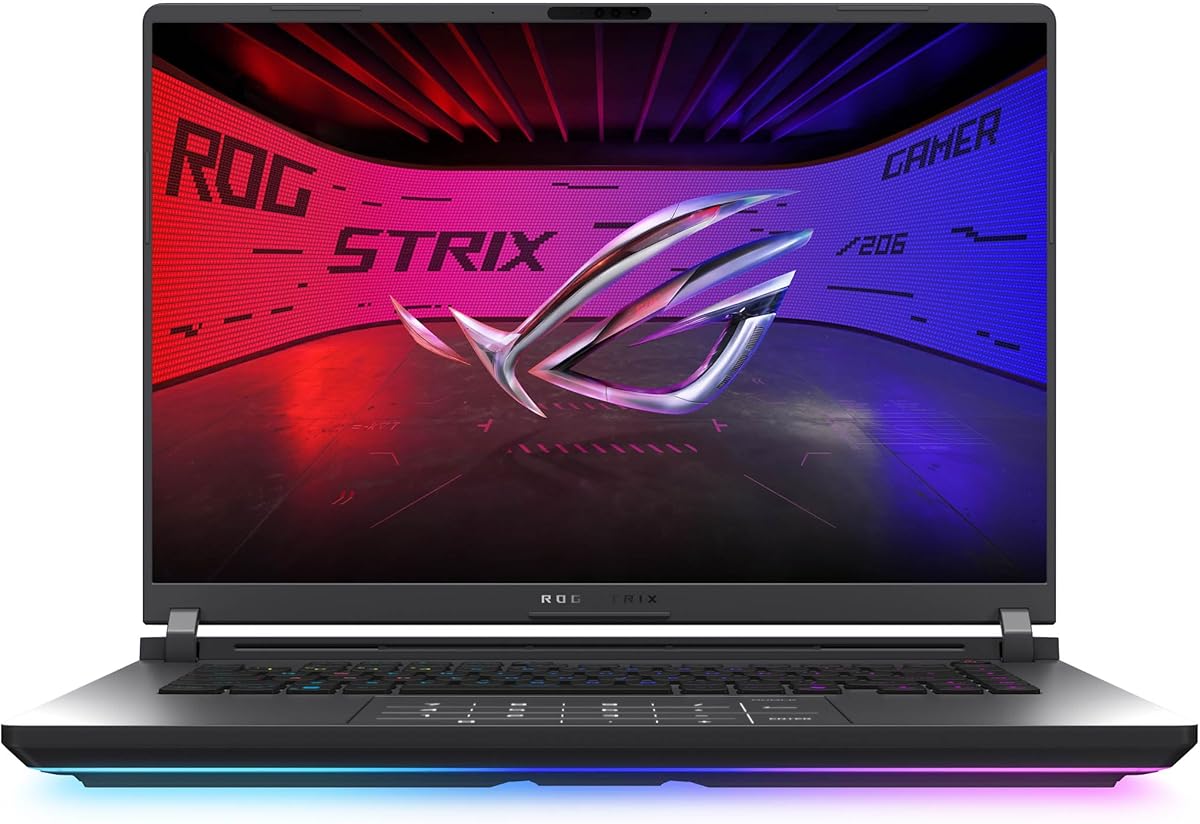
ASUS ROG Strix G16 Ultra
4.3Editor score
RTX 5070 Ti graphics
240Hz Nebula display
32GB DDR5 memory
Choosing the right laptop for flight simulators requires balancing powerful hardware with immersive display quality. Aviation enthusiasts need systems that render detailed terrain and weather physics without stuttering during complex missions or multiplayer sessions.
We evaluated ten top-rated models based on processor speed, graphics capabilities, memory capacity, and screen refresh rates. Each selection ensures smooth operation across popular platforms like Microsoft Flight Simulator and X-Plane without compromising visual fidelity.
Every pick showcases specific strengths tailored to virtual cockpits and realistic flight dynamics. Please note that availability and offers fluctuate frequently, so verifying current stock is recommended before finalizing your purchase decision today.
4.3Editor score

4.4Editor score

4.2Editor score
As an Amazon Associate we earn from qualifying purchases.
This side-by-side comparison highlights key specifications across all ten selected models to help you identify the ideal machine for your virtual aviation needs.
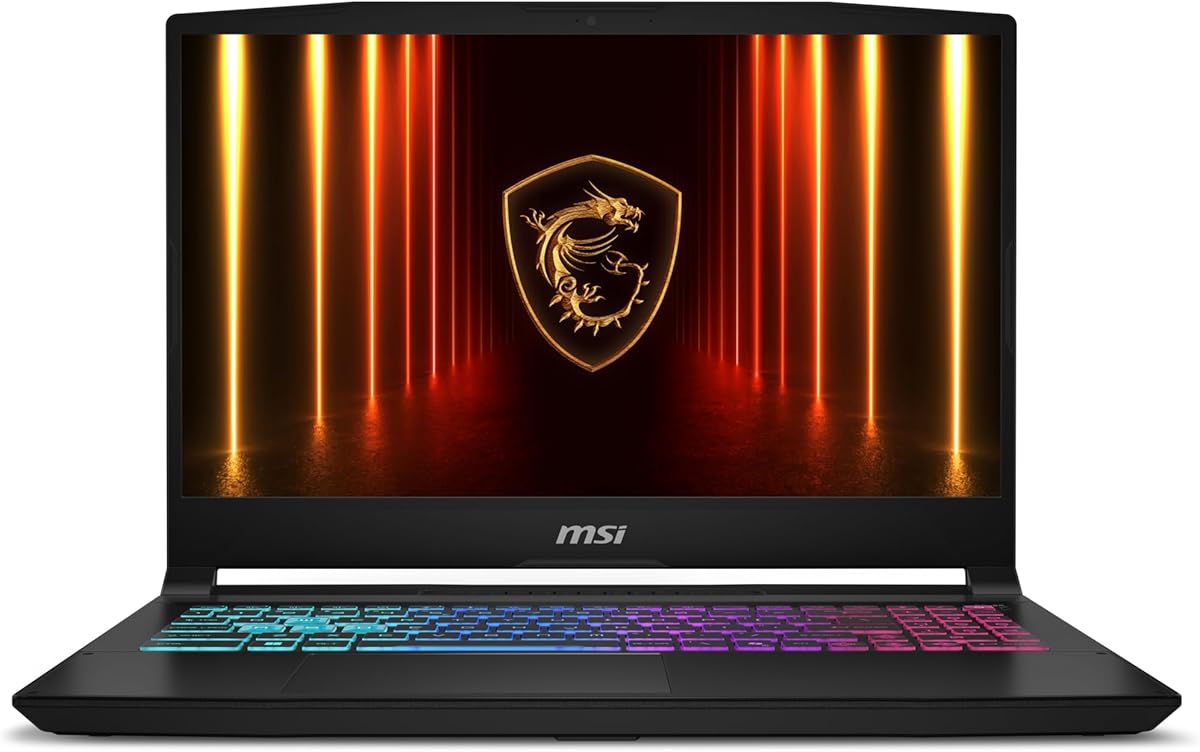


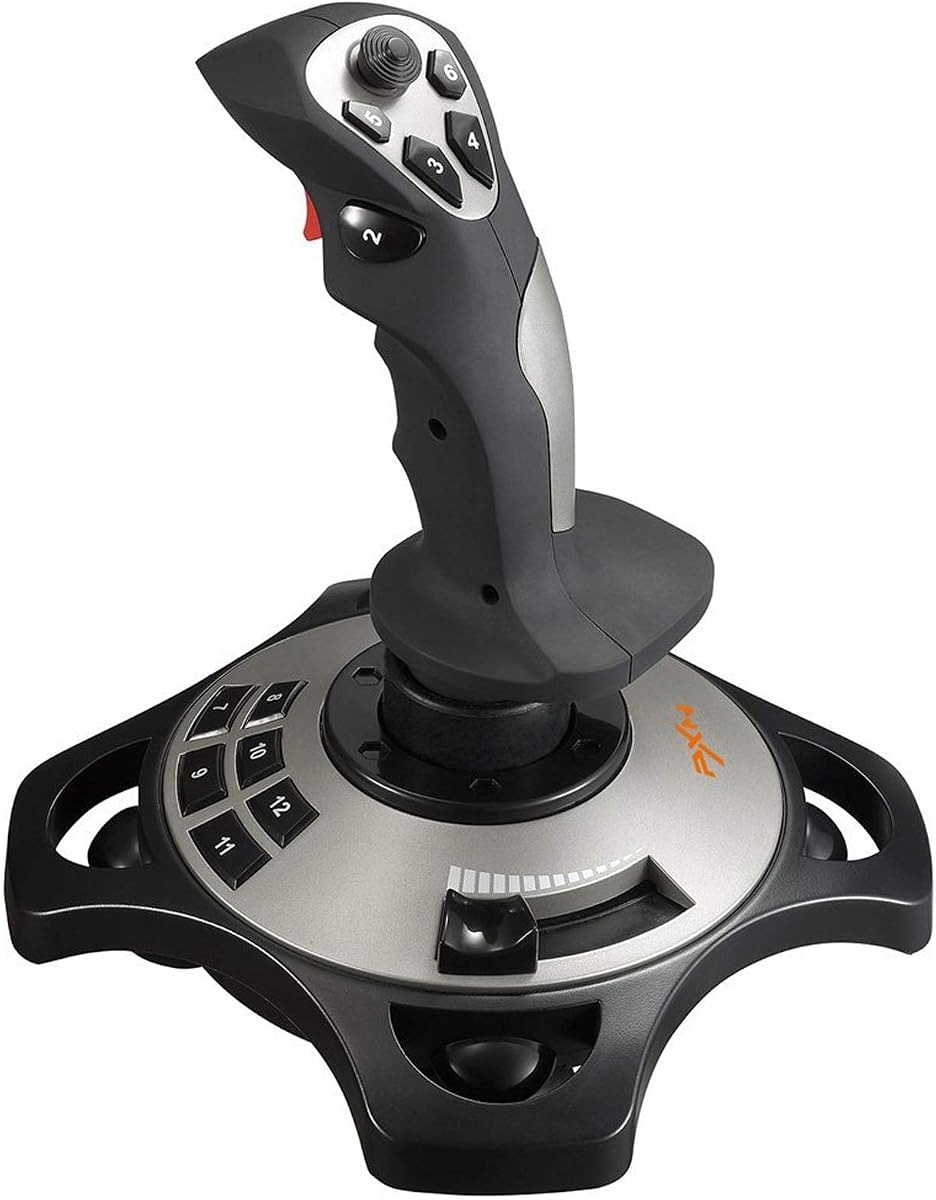


This gaming laptop stands out as a top choice for aviation simulation due to its powerful RTX 5060 GPU and high refresh display. It delivers smooth visuals and fast rendering essential for detailed flight models and weather effects.
We may earn a commission when you buy through this link, at no additional cost to you.
Its Intel Core i7 processor and DDR5 memory allow seamless multitasking while running simulation software alongside communication tools. The advanced cooling system maintains performance during long flights without thermal throttling issues.
While the 16GB memory is sufficient for most scenarios, heavy mods might require future upgrades. The battery life is typical for high-performance laptops but limits unplugged usage significantly.
Ideal for enthusiasts seeking a balance of power and portability, this machine supports immersive flying experiences. We recommend it for users prioritizing visual quality and system stability.
The 165Hz display ensures smooth transitions during rapid maneuvers, reducing motion blur for clearer cockpit views.
State-of-the-art cooling with liquid metal keeps the system quiet and cool even during intensive simulation sessions.
We may earn a commission when you buy through this link, at no additional cost to you.
Representing the pinnacle of flight simulation laptops, this model offers exceptional GPU performance and a vibrant 240Hz Nebula display. It is designed for users demanding top-tier graphics and seamless frame rates.
We may earn a commission when you buy through this link, at no additional cost to you.
With 32GB of DDR5 memory and the latest Core Ultra 9 processor, it handles complex physics and large scenery packs effortlessly. The cooling system ensures sustained performance without noise distractions.
The high cost may be a barrier for some buyers, and its weight makes it less ideal for travel. However, the performance gains justify the investment for serious pilots.
We recommend this laptop for those seeking the best possible visual and computational experience. It excels in rendering detailed textures and complex flight physics accurately.
The 2.5K Nebula screen provides stunning detail for cockpit instruments and distant landscapes during long flights.
Core Ultra 9 architecture delivers robust multi-core performance essential for running modern simulation engines.
We may earn a commission when you buy through this link, at no additional cost to you.
This laptop offers an impressive balance of cost and performance with 32GB of memory and a spacious 17.3 inch display. It is suitable for entry-level pilots needing reliable basic simulation capabilities.
We may earn a commission when you buy through this link, at no additional cost to you.
The large screen enhances usability with detailed map views and cockpit layouts. Its AMD Ryzen processor ensures smooth operation for standard flight scenarios without lag.
Graphics capabilities are limited compared to dedicated gaming models, which may impact high-fidelity rendering. However, for casual flight training, it remains a solid option.
We suggest this for students or hobbyists prioritizing budget and screen real estate. It provides a comfortable workspace without breaking the bank.
The large display allows split-screen setups for navigation and flight data simultaneously during missions.
32GB RAM supports heavy multitasking and large data sets needed for realistic aviation simulations.
We may earn a commission when you buy through this link, at no additional cost to you.
Featuring an Intel Core i9 and RTX 5070, this laptop is built for demanding tasks. It excels in rendering complex flight models and realistic weather physics with impressive frame rates.
We may earn a commission when you buy through this link, at no additional cost to you.
The QHD+ display offers sharp visuals for detailed terrain and instrument panels. With 32GB of RAM, it handles multiple applications smoothly without slowdowns.
Battery performance is typical for gaming hardware, and the unit is somewhat heavy for portable use. But its raw power makes it a strong contender for serious users.
Ideal for enthusiasts who need desktop-level performance in a portable form, this model delivers reliability. We recommend it for those prioritizing processing speed.
The Core i9 processor ensures rapid load times and stable frame rates during complex mission scenarios.
QHD+ screen provides superior clarity for reading gauges and distant objects during flight.
We may earn a commission when you buy through this link, at no additional cost to you.
This software package combines professional simulation with an included Interlink DX controller for an immersive learning experience. It caters to both helicopter and fixed-wing RC pilots seeking realism.
We may earn a commission when you buy through this link, at no additional cost to you.
With support for VR headsets and regular content updates, it stays fresh and engaging. The controller simplifies setup, making it accessible for beginners learning flight dynamics.
It focuses heavily on RC aircraft rather than full-scale aviation, which limits broader application. However, for hobbyists, it provides a comprehensive training solution.
We recommend this for RC enthusiasts wanting to practice safely before real flights. Its blend of hardware and software makes it a unique choice.
Advanced physics models replicate real-world aerodynamics accurately for safe training sessions.
Quarterly model releases ensure users have access to latest aircraft and environment updates.
We may earn a commission when you buy through this link, at no additional cost to you.
Designed for professional-level realism, this yoke system offers precise control for advanced simulation training. It is perfect for users seeking muscle memory development and authentic cockpit inputs.
We may earn a commission when you buy through this link, at no additional cost to you.
The included throttle quadrant and extensive programmable controls allow for customized setups. Stainless steel components ensure smooth, accurate handling during critical flight maneuvers.
It requires significant desk space and sturdy mounting to function properly. While setup takes effort, the immersion gained is worth the investment.
We suggest this for serious pilots aiming for realism over casual gaming. Its precision and durability make it a long-term asset.
Realistic yoke controls offer muscle memory that translates directly to real-world aviation skills.
Over 50 programmable controls provide flexibility for various aircraft configurations and scenarios.
We may earn a commission when you buy through this link, at no additional cost to you.
This joystick offers a simple yet effective way to improve flight simulation control. Its ergonomic design and integrated throttle make it suitable for pilots starting to move beyond keyboard inputs.
We may earn a commission when you buy through this link, at no additional cost to you.
Users can easily adjust resistance to match their flying style, ensuring comfort during extended sessions. The weighted base keeps the device stable during aggressive maneuvers.
It lacks separate rudder control and force feedback, which limits advanced realism. However, for basic maneuvering, it is highly functional.
We recommend it for beginners seeking an easy upgrade from mouse controls. Its intuitive design ensures a smooth transition to stick controls.
Plug and play setup eliminates driver issues and gets users into flying immediately without frustration.
Adjustable resistance allows fine-tuning stick tension for specific flying styles and preferences.
We may earn a commission when you buy through this link, at no additional cost to you.
This budget controller provides a functional entry point into flight simulation. It supports vibration feedback and offers enough control axes for basic flight tasks and simple training missions.
We may earn a commission when you buy through this link, at no additional cost to you.
Installation is straightforward with plug-and-play support on Windows systems. The ergonomic design ensures comfortable use for short to medium sessions.
Limited platform support may restrict users with non-Windows setups. Calibration for vibration requires manual adjustment via drivers.
We suggest it for those seeking a cost-effective upgrade from keyboard controls. It offers sufficient precision for casual users and hobbyists.
No driver installation is needed for basic operation, allowing immediate use after connecting to a USB port.
Tactile feedback provides a more engaging flying experience when properly configured in game settings.
We may earn a commission when you buy through this link, at no additional cost to you.
Completing your cockpit with these rudder pedals adds vital control for accurate coordinated flight. They feature smooth sliding rails that ensure precise movements during complex aerobatics or taxiing.
We may earn a commission when you buy through this link, at no additional cost to you.
The self-centering axis provides consistent feedback, helping pilots maintain correct alignment. Compatibility with PS5, Xbox, and PC offers excellent versatility across platforms.
Pedal resistance is fixed and cannot be adjusted. This might not suit everyone, but overall the build quality is solid.
We recommend these for users needing reliable foot controls without breaking the budget. Their precision and compatibility make them a practical choice.
S.M.A.R.T. rail system ensures friction-free motion for precise and reliable control inputs.
Self-centering axis delivers accurate return to neutral, essential for realistic rudder management.
We may earn a commission when you buy through this link, at no additional cost to you.
This classic title remains a favorite for its realistic weather physics and detailed world terrain. It sets a benchmark for aviation simulation enthusiasts who appreciate depth over modern visual fidelity.
We may earn a commission when you buy through this link, at no additional cost to you.
Support for multi-monitor setups allows for expansive cockpit views. Its interactive air traffic control adds a layer of challenge and realism to every flight session.
Users on newer systems may need to adjust settings for compatibility. Despite its age, it offers an unparalleled sense of aviation history.
We recommend it for history buffs and those seeking a stable, community-supported simulator. It is a timeless classic worth experiencing for any aviation fan.
Dynamic weather system creates true three-dimensional clouds that form and dissipate realistically during flights.
Enhanced ATC support provides engaging communication with traffic at airports worldwide for real-time simulation.
We may earn a commission when you buy through this link, at no additional cost to you.
Selecting the perfect laptop requires understanding key hardware and feature priorities for aviation simulation.
Graphics performance is crucial for rendering high-resolution textures and complex weather systems without lag. Look for GPUs like the RTX 5060 or higher to ensure smooth frame rates.
Prioritize dedicated graphics cards over integrated ones for stable flight physics and scenery detail.
The CPU handles calculations for flight dynamics and navigation. High-core processors like Intel Core i7 or i9 prevent bottlenecks during complex missions.
Choose CPUs with HX series variants for sustained performance under load.
RAM determines how many applications and addons you can run simultaneously. At least 16GB is recommended, though 32GB offers better future-proofing for heavy modding.
More memory ensures smooth multitasking when running simulators with communication software.
High refresh rates reduce motion blur during fast maneuvers. Displays with 165Hz or higher provide smoother visuals essential for realistic flight feedback.
Select screens with high refresh rates to minimize eye strain during long sessions.
Efficient cooling prevents overheating during extended flights. Look for laptops with vapor chambers or liquid metal cooling to maintain consistent performance.
Good thermal design ensures quiet operation and prevents throttling.
Multiple USB ports are necessary for connecting controllers, yokes, and pedal systems. Ensure your laptop has enough compatible ports for your hardware setup.
Check for USB-C and USB-A ports to support various simulation peripherals.
Battery endurance is often limited on performance laptops. If portability is key, consider models with efficient power management for moderate usage.
Expect to stay plugged in during major simulation sessions for best results.
Windows 11 provides broad compatibility with modern simulation software. Ensure the OS is updated to support the latest hardware drivers.
Choose systems with official Windows licensing to avoid compatibility issues.
Set up your simulation software on a dedicated partition to keep files organized. Allocate enough storage space for large scenery packs and addons.
Ensure your cooling vents are unobstructed to maintain optimal temperatures. Use a cooling pad during extended flights to prevent thermal throttling.
Regularly update graphics drivers to fix bugs and improve performance. Calibrate any external controllers periodically to maintain accurate input sensitivity.
Yes, a dedicated graphics card is essential for rendering realistic terrain and weather physics smoothly. Integrated graphics often struggle with high-resolution textures and complex simulations. For best results, look for systems with RTX series GPUs or similar performance equivalents.
At least 16GB of RAM is recommended for standard simulation software. If you plan to use large addons or run multiple programs, 32GB ensures better performance. More memory prevents lag and crashes during intensive missions.
Older laptops can run lighter simulation titles or older versions of software. However, modern simulators with advanced physics require newer processors and GPUs. Check system requirements before purchasing to ensure compatibility.
A refresh rate of 144Hz or higher is ideal for reducing motion blur. This is crucial for smooth visuals during rapid maneuvers and turbulence. High refresh rates enhance the overall realism of the flight experience.
Most flight simulators support external controllers like yokes and pedals. Ensure your laptop has enough USB ports for your setup. Many modern systems also support wireless connections for added convenience.
Most modern simulators require Windows 10 or 11 for compatibility. Some older versions may still run on earlier systems. Always verify system requirements for specific software before purchase.
The ASUS ROG Strix G16 series offers the best balance of power and value for most users. Its high refresh display and advanced cooling make it ideal for immersive virtual flights.
For those on a budget, the NIMO 17.3 provides impressive memory and screen size for the price. Serious pilots may prefer the RTX 5070 Ti models for ultimate realism.
Always verify current availability and specific requirements before purchasing to match your needs. Flight simulation demands hardware that delivers both stability and precision.