
Canon EF 50mm f/1.8 STM Lens
4.8Editor score
Affordable prime lens design
f/1.8 maximum aperture
STM silent autofocus motor
Ideal for close product shots
This guide compares the top camera lens for product photography to help you choose the best optics for sharp, professional-quality commercial images and
Choosing the right camera lens for product photography is essential for creating sharp, detailed images that showcase your items effectively. The ideal lens provides clear focus, accurate color representation, and the ability to highlight textures without distortion. A well-chosen lens can significantly improve the perceived value of your products online.
We have evaluated ten distinct lenses ranging from professional zooms to affordable primes and smartphone attachments. Our comparison considers optical quality, focal length versatility, aperture performance, and compatibility with various camera systems. This list helps you find the optimal tool for your specific shooting environment and budget requirements.
Each recommendation highlights key features, pros, and cons to guide your decision-making process. The top picks cover diverse needs from studio work to mobile commerce photography. Please note that pricing and availability can change frequently so always verify current details before purchasing your next lens.
4.8Editor score

4.8Editor score
4.7Editor score
The following table provides a side-by-side overview of all ten selected lenses. It highlights essential specifications and key features to help you quickly compare options for your product photography needs.


The Canon RF24-70mm F2.8 L IS USM lens stands out as the premier choice for professional product photography. It holds an impressive 4.8 rating based on widespread user satisfaction. Its standout qualities include sharp optical performance and a bright constant aperture that allows consistent exposure across the entire zoom range.
We may earn a commission when you buy through this link, at no additional cost to you.
Key strengths lie in its optical image stabilization which offers up to 5 stops of shake correction. This feature is invaluable when shooting detailed product shots without a tripod. The Nano USM motor ensures smooth and quiet autofocus which is critical for both stills and video content often needed for modern e-commerce listings.
While the lens is undeniably high quality there are trade-offs. It comes with a significant price tag that may be steep for hobbyists. Additionally its weight is noticeable during extended handheld shooting sessions. These drawbacks are acceptable given the professional results it delivers for serious photographers.
This lens is ideal for photographers who prioritize image quality and versatility above budget. If you own a Canon EOS R system and need a reliable workhorse for product shoots this lens is the final recommendation. It balances focal range speed and stability perfectly.
The up to 5 stops of shake correction allows you to shoot slower shutter speeds without blur ensuring crisp product details even without a tripod.
The constant f/2.8 aperture lets you isolate products with shallow depth of field or maintain sharpness across the entire product when needed.
We may earn a commission when you buy through this link, at no additional cost to you.
The Canon EF 50mm f/1.8 STM lens is a classic favorite for photographers seeking value. It maintains a solid 4.8 rating among users who appreciate its performance relative to cost. The standout qualities include its bright aperture and compact size making it easy to use for various product types.
We may earn a commission when you buy through this link, at no additional cost to you.
Its key strengths are centered on affordability and optical clarity. The f/1.8 aperture allows for excellent low light shooting and creates pleasing background blur when isolating small items. The STM motor ensures near silent autofocus which is beneficial when recording product videos or tutorials for online platforms.
However the lens does have some limitations. The build quality relies heavily on plastic which may feel less durable than premium options. There is no image stabilization so you must rely on higher shutter speeds or a tripod to avoid camera shake. These trade-offs are acceptable for budget-conscious creators.
This lens is perfect for beginners or those needing a secondary lens for tight budget projects. It delivers professional-looking results without breaking the bank. If you need a versatile prime for product details this is the final recommendation for value seekers.
The f/1.8 aperture gathers significant light enabling clear product photography in dimmer studio settings without needing extra lighting equipment.
The stepping motor delivers smooth continuous autofocus which prevents distracting noise during product video shoots or live streaming sessions.
We may earn a commission when you buy through this link, at no additional cost to you.
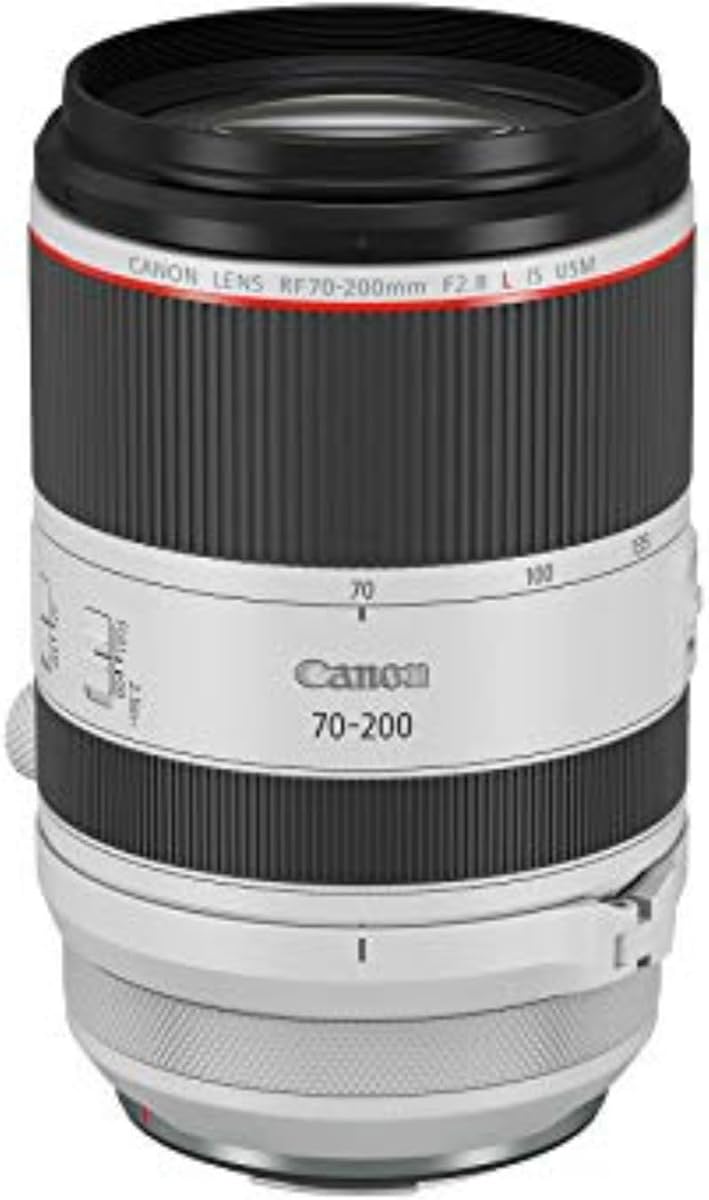
The Canon RF70-200mm F2.8 L IS USM lens represents the pinnacle of telephoto zoom performance for product photography. It holds a strong 4.7 rating for its optical excellence and build quality. Its standout qualities include a compact design for a 70-200mm lens and professional-grade autofocus speed.
We may earn a commission when you buy through this link, at no additional cost to you.
Key strengths lie in its optical image stabilization which provides up to 5 stops of correction. This allows for sharp images at slower shutter speeds. The dual Nano USM motors deliver high speed smooth and quiet autofocus. These features ensure you capture fine textures and details without distraction.
Trade-offs include the premium cost and minimum focusing distance of 2.3 feet. This limits its use for extreme close-ups without extension tubes. However for most product work these limitations are minor. The investment pays off in consistent image quality and reliability for professional shoots.
This lens is ideal for professionals requiring a telephoto option with maximum sharpness. It works best for lifestyle product shots or isolating items from busy backgrounds. If you seek premium quality and stability this is the final recommendation for serious Canon shooters.
Unlike previous versions this lens is lighter and smaller making it easier to carry to various shoot locations without fatigue.
The advanced stabilization system corrects hand movement allowing sharp handheld shots even in lower light conditions without a tripod.
We may earn a commission when you buy through this link, at no additional cost to you.
The EF 85mm f1.8 Portrait Lens MF offers a unique approach for photographers who prefer manual control. It holds a 4.0 rating reflecting its niche appeal and manual operation. Its standout qualities include a smooth focus ring and excellent bokeh for artistic product backgrounds.
We may earn a commission when you buy through this link, at no additional cost to you.
Key strengths involve its precise manual focus capability which allows for perfect adjustment in static product setups. The lens uses hybrid aspherical glass and ultra multi-coating technology to reduce aberrations. This ensures clear image quality and dreamy background blur that enhances subject separation.
The main trade-off is the lack of autofocus. You must switch to manual mode and enable release without lens options on some bodies. This can slow down your workflow for rapid shoots. However for static studio work these limitations are acceptable for the creative freedom provided.
This lens is best for artists seeking total control over focus and exposure. It suits those learning photography fundamentals or needing a specific focal length for portraits or styled product shots. If you value manual operation this is the final recommendation for creative control.
The fully manual design lets you adjust focus exactly as needed ensuring critical sharpness on specific product details without autofocus hunting.
With six rounded aperture blades this lens produces soft background blur that isolates your product beautifully for artistic photography shots.
We may earn a commission when you buy through this link, at no additional cost to you.
The Canon RF50mm F1.8 STM lens is the dedicated RF mount version of a popular classic. It holds a 4.7 rating among mirrorless users seeking portability and quality. Its standout qualities include a lightweight design and a convenient control ring for quick setting changes.
We may earn a commission when you buy through this link, at no additional cost to you.
Key strengths lie in its optimized lens placement and coatings which deliver outstanding color balance. The stepping motor provides smooth and quiet autofocus ideal for video product showcases. The control ring allows direct setting changes without diving into menus making shooting more efficient.
Trade-offs include the plastic construction and lack of weather sealing. It is less rugged than higher-end options but sufficient for indoor studio work. These factors keep the price low and accessibility high. For casual and semi-pro use these trade-offs are acceptable.
This lens is perfect for owners of Canon EOS R cameras needing a prime option. It excels for lifestyle product photos and close-up detail shots. If you need a lightweight mirrorless prime this is the final recommendation for RF system users.
The control ring on the barrel lets you adjust aperture ISO or exposure compensation directly without touching camera menus during shooting.
Optimized lens placement helps deliver outstanding color balance while minimizing ghosting and flare for clean product images.
We may earn a commission when you buy through this link, at no additional cost to you.
The Sigma Fixed Focal length 135mm F1.8 DG HSM ART is renowned for its exceptional optical performance. While specific user ratings vary it is widely recognized for stunning clarity. Its standout qualities include a large aperture and compression effect that isolates subjects beautifully.
We may earn a commission when you buy through this link, at no additional cost to you.
Key strengths involve its handcrafted construction at the single factory in Aizu Japan. Each lens undergoes individual evaluation ensuring high quality. The large 1.8 aperture allows for creative control over imagery and excellent performance in lower light conditions for product details.
Trade-offs include the high cost and absence of image stabilization. The weight is also significant compared to standard primes. However the sharpness it delivers is often unmatched. For professional work requiring maximum detail these factors are acceptable compromises.
This lens is ideal for photographers needing a long focal length prime. It is perfect for detailed product shots where background separation is critical. If you want ultimate sharpness and a compression effect this is the final recommendation for quality seekers.
The 135mm focal length provides a stunning compression effect that flattens perspective beautifully for detailed product portraits.
Like every Global Vision lens each 135mm F1.8 is handcrafted and individually evaluated before leaving the factory ensuring consistent quality.
We may earn a commission when you buy through this link, at no additional cost to you.
The Canon EF 75-300mm f/4-5.6 III offers an affordable option for extending your telephoto reach. It holds a 4.7 rating for value among budget conscious users. Its standout qualities include a long zoom range and lightweight design suitable for portable product shoots.
We may earn a commission when you buy through this link, at no additional cost to you.
Key strengths involve the improved mechanism that makes zooming smoother. It offers a minimum focus distance of 4.9 feet which allows decent close-ups. The DC autofocus motor provides reliable performance for basic needs. This lens is a practical choice for secondary kit needs.
Trade-offs include the variable aperture which drops to f/5.6 at maximum zoom. This limits low light performance compared to constant aperture lenses. The focus speed is slower than USM versions. However for budget and versatility these limitations are acceptable.
This lens is perfect for those needing extra reach without a high investment. It works well for outdoor product photography or distant subject work. If you seek an economical telephoto zoom this is the final recommendation for value buyers.
The 75 to 300mm range allows flexibility for both medium telephoto shots and distant subject photography without changing lenses.
Weighing just 16.8 ounces this lens is easy to handle for extended periods making it ideal for travel product shoots.
We may earn a commission when you buy through this link, at no additional cost to you.
The Xenvo Pro Lens Kit offers a mobile solution for product photography on the go. It holds a 4.0 rating based on its utility for smartphone creators. Its standout qualities include both wide angle and macro lenses plus a dedicated LED light for illumination.
We may earn a commission when you buy through this link, at no additional cost to you.
Key strengths involve its universal compatibility with all smartphones and tablets. The TruView 0.45x wide angle lens captures 45% more picture without dark corners. The Clarus 15x macro lens allows you to capture intricate details of small items with precision.
Trade-offs include the limitations of mobile optics compared to dedicated cameras. Quality is good for social media but not professional print. The clip attachment may not fit thick cases. For on-the-go content these limits are acceptable for the convenience provided.
This lens is perfect for social media sellers or casual product shooters. It provides essential tools for clear photos anywhere without a DSLR. If you need mobile product capabilities this is the final recommendation for smartphone users.
The Clarus 15x Macro Lens magnifies nearby subjects allowing you to capture all intricacies and details with precision focus.
The GlowClip LED light instantly illuminates your subject with warm continuous light superior to built-in smartphone flash.
We may earn a commission when you buy through this link, at no additional cost to you.
The Canon EOS Rebel T7 DSLR Camera Double Zoom Lens Kit provides a complete entry-level package for photographers. It holds a 4.7 rating for its comprehensive nature. Its standout qualities include two versatile lenses a 24.1 megapixel sensor and built-in connectivity.
We may earn a commission when you buy through this link, at no additional cost to you.
Key strengths involve the inclusion of both 18-55mm and 75-300mm lenses covering wide and telephoto needs. The Dual Pixel CMOS AF improves focus speed and accuracy. Wi-Fi and NFC technology make sharing product images quick and easy for business use.
Trade-offs include the optical limitations of standard kit lenses compared to primes. The focus speed is decent but not top tier. However for beginners starting out these limitations are acceptable for the price. It offers significant value for a first camera setup.
This kit is perfect for new photographers entering product photography. It gives you all the essential tools to start shooting immediately. If you need a full system at entry price this is the final recommendation for beginners.
The kit includes both 18-55mm and 75-300mm lenses offering wide and telephoto coverage for diverse product photography needs.
Built-in Wi-Fi and NFC technology allow quick transfer of high quality product images to your smartphone for immediate use.
We may earn a commission when you buy through this link, at no additional cost to you.
The Canon EF 200mm f/2.8L II USM is a classic fixed focal length lens for professional work. It holds a 4.6 rating for optical performance and build. Its standout qualities include a bright constant aperture and lightweight design for its class.
We may earn a commission when you buy through this link, at no additional cost to you.
Key strengths involve its 9 elements in 7 groups lens construction which ensures high image quality. The USM ultrasonic motor delivers precise and quiet autofocus. Its weight is only 1.7 lbs making it easier to handle than larger telephotos. This helps maintain stability during shoots.
Trade-offs include the lack of zoom flexibility and a closest focusing distance of 1.5m. This limits its use for tight spaces. However the optical quality remains excellent. For specific framing needs these factors are acceptable for the benefits provided.
This lens is ideal for photographers needing a dedicated long fixed lens. It excels for isolation of product subjects. If you want fixed focal speed and sharpness this is the final recommendation for telephoto shooters.
This lens features Professional L series glass and build ensuring high image quality and durability for demanding product photography work.
The USM ultrasonic motor delivers high speed smooth and quiet autofocus ensuring you never miss the perfect product shot.
We may earn a commission when you buy through this link, at no additional cost to you.
Selecting the right lens involves understanding your specific product needs and shooting environment. This guide breaks down essential factors to consider.
Focal length determines how much of the scene you capture and how close objects appear. Prime lenses like 50mm or 85mm offer simplicity and sharpness while zooms like 24-70mm provide flexibility for different product sizes. For product photography zoom lenses allow you to adjust framing without moving which is often necessary for maintaining consistent lighting angles. Primes may require you to move the camera but typically offer wider maximum apertures for creative control. Choosing between fixed and variable focal lengths depends on your workflow and how often you need to change perspectives during a shoot.
Consider whether you need flexibility or peak optical performance for your product work.
Maximum aperture is a critical factor for controlling light and depth of field. Lenses with wider apertures like f/1.8 or f/2.8 allow you to shoot in lower light or isolate products with blurred backgrounds. This is particularly useful for small items where you want to draw attention to the main subject. Wider apertures also enable faster shutter speeds to reduce motion blur during handheld shots. However wider apertures often come with higher costs and sometimes less depth of field than desired for full product shots. Balance your need for light gathering against your depth of field requirements.
Choose an aperture that fits your lighting conditions and subject isolation needs.
Ensuring your lens matches your camera body is fundamental for any purchase. Canon RF lenses work only on mirrorless R series cameras while EF lenses are for DSLRs. Some photographers own both systems and need adapters or separate lenses for each. Compatibility also extends to sensor size full frame vs APS-C affecting how the focal length behaves. If you upgrade your camera later investing in the correct mount saves money and avoids adapter limitations. Always check your camera model against the lens specifications before buying.
Verify that your lens mount matches your camera system for full functionality.
Optical image stabilization (OIS) helps reduce blur caused by hand movement during shooting. This is valuable for handheld product photography especially in low light. Lenses like the RF24-70mm offer up to 5 stops of correction allowing slower shutter speeds without a tripod. However for static product work on a tripod stabilization is less necessary. If you shoot frequently without support OIS provides significant advantages. Check if your lens includes this feature and if it is effective for your typical shooting duration.
Look for stabilization if you shoot handheld often or in varying light conditions.
Minimum focusing distance determines how close you can get to your subject while maintaining focus. For small product details a shorter distance is beneficial to capture fine texture. Some lenses like the 50mm STM allow focusing within 1.15 feet while telephoto zooms may require more distance. This factor limits how much magnification you can achieve without additional extension tubes. For close-up product shots ensure the lens allows you to get near enough to fill the frame with your subject. It affects your framing options significantly.
Ensure the lens allows you to focus close enough for your specific product sizes.
Build quality impacts both the feel of the lens and its longevity over time. Professional L series lenses often have weather sealing and metal mounts for durability. Budget lenses may use plastic components which can wear out faster under heavy use. For product photography a robust lens ensures consistent performance over years. Consider how often you shoot and in what environments. If you travel frequently or shoot outdoors rugged construction might be worth the extra investment.
Prioritize build quality if you need long-term reliability in various shooting conditions.
The autofocus motor type influences speed and noise during focusing. Nano USM and STM motors provide smooth and quiet operation which is ideal for video content often needed for product listings. Older DC motors may be noisier and less precise. For still product photography the difference is less noticeable but smooth AF helps with framing. High-speed focus ensures you capture sharp details quickly. If you record product video a silent autofocus system is highly recommended to avoid audio distractions.
Choose a lens with modern silent autofocus motors for video and fast stills.
Price often correlates with optical quality and features but budget options can deliver solid results. Compare what a lens offers against your specific needs rather than just cost. A premium lens might be overkill if you shoot mostly indoors with controlled lighting. Renewed options or older models can provide excellent value without compromising image quality. Weigh the features against your budget to find the best balance for your situation.
Assess the value of features relative to your budget and shooting requirements.
To get the best performance from your lens start by cleaning the glass carefully with a microfiber cloth and lens solution. Dust and fingerprints can significantly affect image sharpness and introduce flare in your product photos. Always store the lens in a dry and dust-free environment when not in use to prevent fungus or damage to the internal elements.
When shooting utilize the aperture settings to control depth of field effectively. For product images that need to be fully sharp stop down to f/5.6 or f/8. If you want to isolate a specific feature open the aperture wider. Experiment with different focal lengths to find the angle that best highlights your product details without distortion.
Regularly check your lens for any scratches or damage to the mount. Use a blower brush to remove debris from the front and rear elements. Keep your lens cap on when not shooting to protect the glass. Proper maintenance ensures your equipment lasts longer and consistently delivers the high-quality results required for professional product photography.
For product photography focal lengths between 50mm and 100mm are ideal as they provide minimal distortion and natural proportions. A 50mm prime is great for close-ups while a 70-200mm zoom offers flexibility for larger items. The right choice depends on your available space and how detailed you need the shots to be for your listings.
Yes smartphone lenses like the Xenvo kit can be effective for social media product shots if you need a portable solution. They allow macro and wide-angle shots which are useful for small items. While they may not match DSLR quality they offer significant convenience and affordability for casual or startup product photography needs.
Image stabilization is highly beneficial if you shoot handheld or in low light conditions without a tripod. For static studio setups on a tripod it is less critical. However having stabilization allows more flexibility and reduces blur risk when shooting in varied environments. It is a valuable feature for versatile product shooters.
Use a blower brush first to remove loose dust particles from the lens surface. Then gently wipe the glass with a microfiber cloth or a lens tissue using circular motions. Avoid using household cleaners or rough fabrics that could scratch the coating. Proper cleaning maintains optical clarity and protects the lens over time.
For detailed product shots stop down to f/5.6 or f/8 to ensure sufficient depth of field across the entire item. This keeps both the front and back of the product in focus. Wider apertures like f/2.8 are better for isolating features or shooting in low light but may blur parts of the product.
Zoom lenses offer flexibility to adjust framing without moving which is helpful for maintaining consistent lighting. Prime lenses generally provide sharper images and wider apertures for better light gathering. If you need versatility in a studio a zoom is practical. For maximum quality on static shots a prime may be preferable.
Choosing the right lens can elevate your product photography from amateur to professional. The Canon RF24-70mm and Canon EF 50mm stand out as versatile and reliable options for different needs. Each lens on this list offers distinct advantages that cater to specific shooting environments and budget constraints.
Prioritize what matters most to your workflow whether that is optical sharpness portability or low light performance. Investing in a lens that matches your camera system ensures the best possible results. Take time to evaluate your specific product types to decide between zoom versatility or prime simplicity.
Remember that prices and availability can fluctuate so always verify current details before purchasing. The right lens is an investment in your product's presentation and success. With these tools you can capture high quality images that engage customers and boost sales.