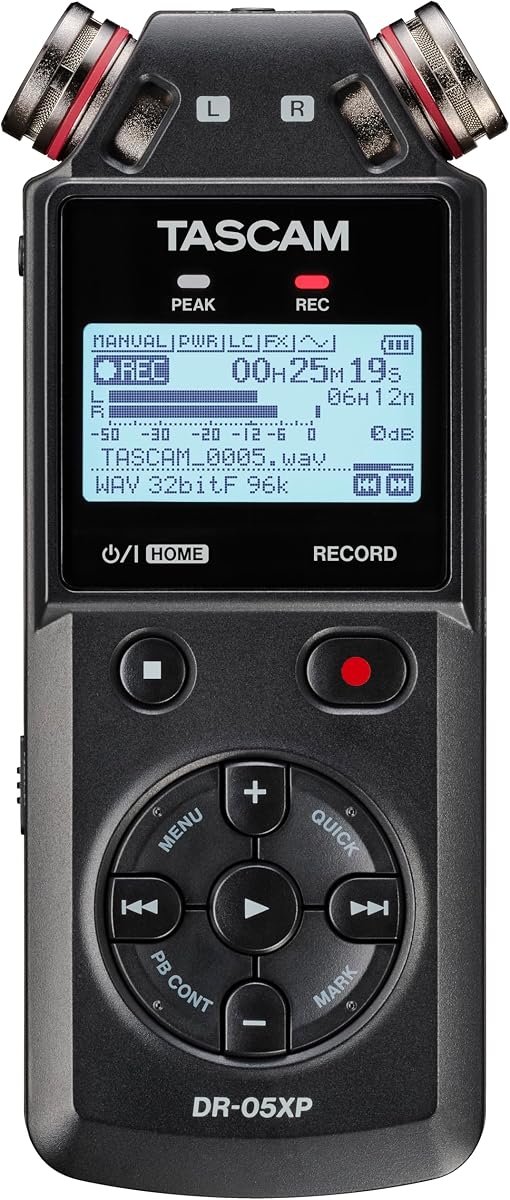
TASCAM DR-05XP 32-Bit Float Portable Handheld Field Recorder and USB-C Audio Interface
4.2Editor score
32-bit float recording
USB-C audio interface
17.5 hours battery life
This guide compares the top handheld recorders for journalists, evaluating audio quality, battery life, and portability to help you choose the perfect
Journalists need reliable tools to capture clear audio in any environment. A good handheld recorder ensures interviews, field notes, and soundscapes are recorded with professional fidelity without bulky equipment or complex setups.
We compared ten leading models based on microphone quality, recording formats, battery endurance, and ease of use. Our analysis focuses on devices that offer durability, portability, and consistent performance for professional reporting needs.
Each pick highlights specific strengths like 32-bit float recording, USB connectivity, or AI transcription. Note that product availability and pricing can change frequently, so always verify current details before purchasing your next recording device.
4.2Editor score

4.7Editor score

4.6Editor score
This side-by-side comparison reviews ten top models tailored for journalists, highlighting key specifications like recording modes, connectivity options, and battery performance to help you find the ideal fit for your reporting style.




The Zoom H5 stands out as a top choice for journalists needing professional audio in a portable form. With a high rating and versatile recording capabilities, it captures interviews and ambient sound with clarity.
We may earn a commission when you buy through this link, at no additional cost to you.
Its interchangeable capsule system allows users to swap microphones depending on the scene. This flexibility ensures optimal audio capture whether recording a quiet conversation or a bustling street.
While powerful, the device requires attention to battery management and menu navigation. These trade-offs are acceptable given the robust feature set and reliable performance in field conditions.
Journalists who prioritize audio flexibility and quality should consider this model. It balances portability with advanced features that support professional storytelling workflows.
The ability to change capsules means you can adapt to different recording scenarios without carrying multiple devices.
High-quality preamps ensure clean sound capture even in challenging environments without excessive noise.
We may earn a commission when you buy through this link, at no additional cost to you.
The TASCAM DR-05XP offers exceptional value for journalists on a budget. Its 32-bit float recording technology ensures you never clip audio, making it ideal for unpredictable environments.
We may earn a commission when you buy through this link, at no additional cost to you.
With USB-C connectivity, you can easily transfer files and use it as an audio interface. The long battery life supports extended field sessions without frequent recharging.
While it lacks advanced features found in higher-end models, its core functionality is reliable. The simplicity makes it easy to use quickly during fast-paced interviews.
This model is perfect for reporters needing a dependable, cost-effective tool. It delivers professional-grade audio quality without a steep price tag.
32-bit float technology prevents audio clipping, ensuring you capture every detail even if levels spike unexpectedly.
USB-C connection allows quick file transfer and direct use as an audio interface for computers.
We may earn a commission when you buy through this link, at no additional cost to you.
The Pocket AI Voice Recorder redefines convenience for journalists with its integrated AI capabilities. It not only captures audio but also transcribes and summarizes meetings instantly.
We may earn a commission when you buy through this link, at no additional cost to you.
Its MagSafe design allows hands-free recording by attaching to an iPhone or compatible device. This feature is particularly useful when multitasking in the field.
Despite some subscription requirements for advanced features, the core functionality remains powerful. The long battery life ensures it lasts through multiple days of reporting.
For journalists who value speed and organization, this device is a game-changer. It transforms raw audio into actionable insights efficiently.
Automatic transcription and summarization save hours of post-interview work by turning audio into readable text immediately.
MagSafe compatibility allows secure attachment to phones or mounts for hands-free recording in various scenarios.
We may earn a commission when you buy through this link, at no additional cost to you.
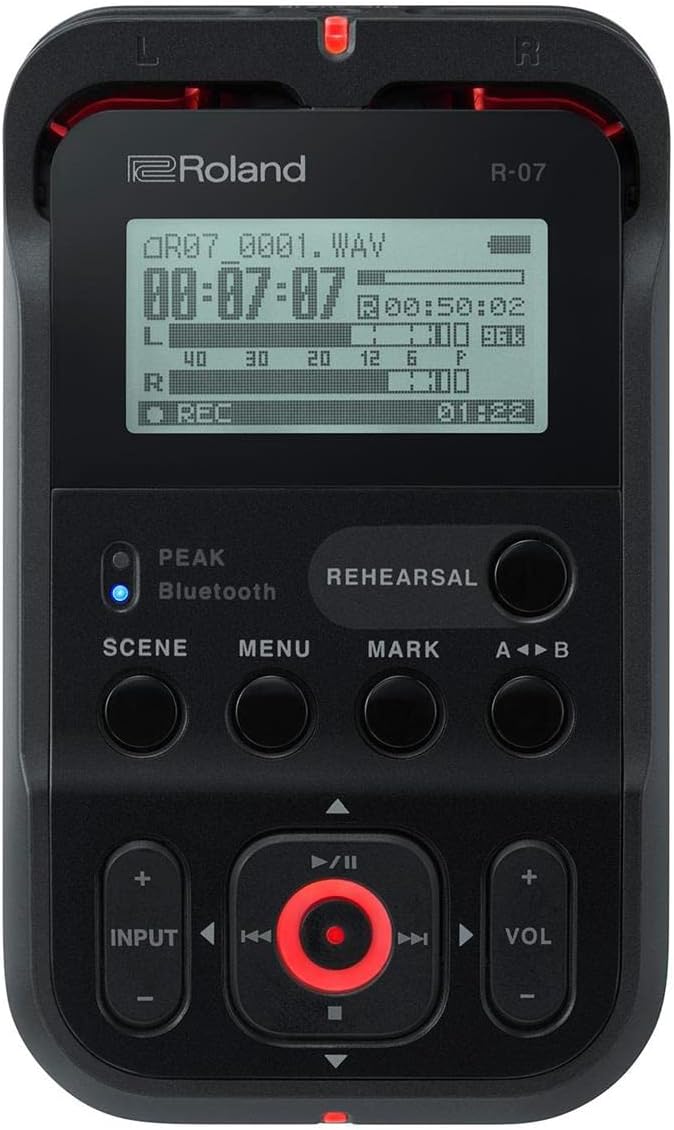
The Roland R-07 delivers high-resolution audio in a compact package suitable for journalists needing quality sound. Its built-in microphones capture clear dialogue and ambient noise effectively.
We may earn a commission when you buy through this link, at no additional cost to you.
Bluetooth control allows for easy monitoring and setup using smart devices. The ability to record MP3 and WAV simultaneously provides flexibility for different workflow needs.
Battery life is impressive, supporting long days on the road. The graphic LCD screen ensures visibility even in bright outdoor conditions.
This recorder is ideal for those prioritizing audio fidelity and portability. It offers a reliable solution for capturing crisp sound in various environments.
Bluetooth functionality lets you control settings and monitor audio remotely using a smartphone or speaker.
Simultaneous MP3 and WAV recording ensures you have both a backup and a high-quality master file.
We may earn a commission when you buy through this link, at no additional cost to you.
The EVISTR L357 provides ample storage and clear audio for journalists needing long recording sessions. Its 64GB capacity ensures you never run out of space during extended interviews.
We may earn a commission when you buy through this link, at no additional cost to you.
PCM intelligent noise reduction technology helps isolate voices from background noise. This feature is crucial for capturing intelligible dialogue in noisy environments.
The device is straightforward to operate with essential features like voice activation. While it lacks advanced controls, it performs well for basic recording needs.
Journalists seeking a no-frills, reliable recorder will appreciate this model. It offers solid performance and storage at a budget-friendly price.
With 64GB of memory, you can store thousands of hours of audio without needing frequent file transfers.
PCM noise reduction ensures clear voice capture even when background sounds are present.
We may earn a commission when you buy through this link, at no additional cost to you.
The Tonfarb 64GB recorder is designed for simplicity and efficiency. Its one-click record function ensures you never miss a moment during an interview or meeting.
We may earn a commission when you buy through this link, at no additional cost to you.
With a long battery life and password protection, it offers reliability and security for sensitive recordings. The large screen makes navigation easy even for first-time users.
While it lacks advanced features, it covers the essentials well. PCM recording delivers clear audio suitable for basic journalistic tasks.
This model is best for those who want a no-nonsense recorder. It balances functionality with ease of use effectively.
One-click record and save allow you to capture audio immediately without navigating menus or complex setups.
Password protection safeguards your recordings, ensuring confidential information remains secure.
We may earn a commission when you buy through this link, at no additional cost to you.
The Tascam DR-40 is a versatile tool for journalists needing multi-track recording capabilities. Its built-in microphones and XLR inputs allow for flexible audio capture setups.
We may earn a commission when you buy through this link, at no additional cost to you.
The device supports USB connectivity, functioning as an interface for direct recording to a computer. This feature streamlines workflows for reporters who need quick file transfers.
While the menu system can be slightly complex, the audio quality is reliable. The compact design makes it easy to carry during travel or on-location shoots.
Journalists looking for a balance of features and portability will find this recorder useful. It provides essential professional functions in a manageable size.
4-track recording allows simultaneous capture of multiple sources, providing flexibility for complex interviews.
USB connectivity enables easy file transfer and use as an audio interface for computers.
We may earn a commission when you buy through this link, at no additional cost to you.
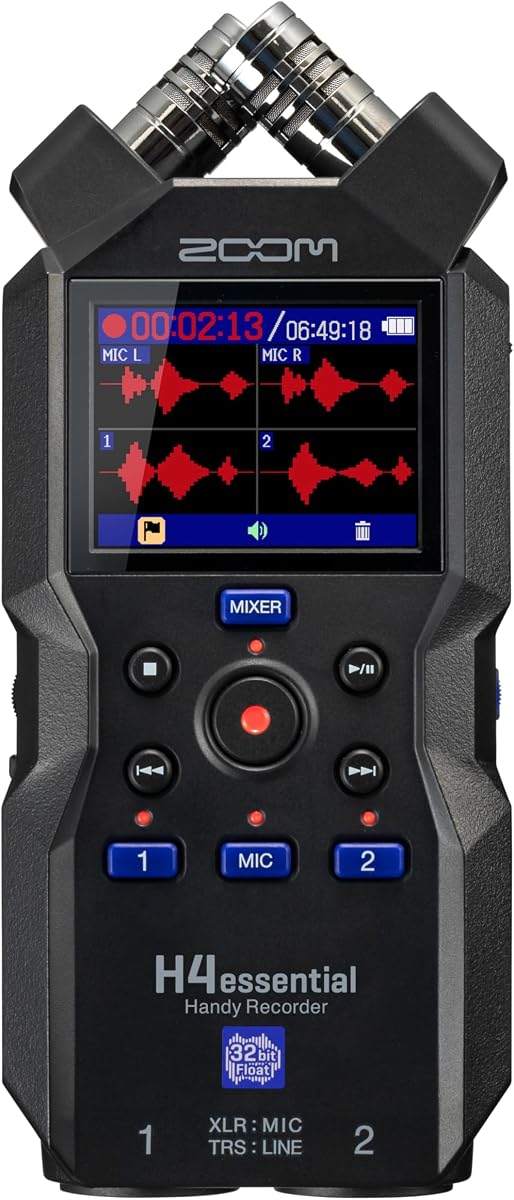
The Zoom H4 Essential offers a robust set of features for journalists needing reliable audio. Its 4-track recording capability supports complex setups without sacrificing portability.
We may earn a commission when you buy through this link, at no additional cost to you.
Spoken menu guidance makes navigation accessible for users who prefer verbal prompts over visual menus. This is particularly helpful when recording in dim or fast-paced environments.
With USB-C connectivity, file transfer is streamlined. The device delivers clear sound quality suitable for interviews and ambient recording.
This recorder is ideal for journalists who value accessibility and functionality. It provides professional tools in a user-friendly package.
Spoken menu guidance helps users navigate settings quickly without needing to look closely at the screen.
XLR/TRS inputs allow connection of external microphones and instruments for expanded recording options.
We may earn a commission when you buy through this link, at no additional cost to you.
The Zoom H1 Essential is a compact device perfect for journalists needing quick, clear audio. Its stereo microphones capture sound with enough fidelity for most reporting tasks.
We may earn a commission when you buy through this link, at no additional cost to you.
USB-C streaming capabilities allow it to function as a microphone for livestreams or remote meetings. This makes it a versatile tool for hybrid reporting environments.
While it lacks advanced features, it delivers clear sound at an affordable price. Its small footprint ensures it fits easily into any bag.
For journalists prioritizing portability and ease of use, this model is a strong contender. It handles everyday recording tasks efficiently.
The compact size ensures you can carry it everywhere without bulk or inconvenience.
USB-C connection enables direct streaming and use as a high-quality microphone for video calls.
We may earn a commission when you buy through this link, at no additional cost to you.
The Zoom H2 Essential features three microphones with nine recording patterns for versatile audio capture. This flexibility allows journalists to adapt to various acoustic environments easily.
We may earn a commission when you buy through this link, at no additional cost to you.
Bluetooth sync enables alignment with other units for multi-camera or multi-room setups. The audio menu in seven languages ensures accessibility for international reporting.
With 32-bit float recording, you avoid clipping even with fluctuating audio levels. This technology provides peace of mind for critical interviews.
Journalists seeking a flexible and accessible recorder will appreciate this model. It balances advanced features with ease of use.
Nine selectable recording patterns let you tailor audio capture to specific environments and sources.
Audible menu navigation in multiple languages supports users with diverse needs and preferences.
We may earn a commission when you buy through this link, at no additional cost to you.
Selecting the right handheld recorder depends on your specific reporting needs, including audio quality, portability, and connectivity. This section outlines key factors to consider when evaluating options.
Journalists need clear, distortion-free recordings for interviews and field notes. Look for devices with good preamps and support for high-resolution formats like 24-bit WAV or FLAC. This ensures dialogue remains intelligible even in noisy environments.
Prioritize units with adjustable gain and noise reduction features to maintain audio clarity in challenging settings.
Field reporting often involves long hours away from power sources. Choose a recorder with a battery life of at least 10 to 20 hours to avoid interruptions during critical moments. Some models support AA batteries for easy replacement.
Long battery life ensures uninterrupted recording during extended field sessions without needing frequent recharges.
High-quality audio files consume significant space. Ensure the device supports SD cards or has built-in storage large enough for your typical daily usage. Models with expandable storage offer greater flexibility for archival needs.
Ample storage prevents the need to delete files prematurely when covering long events or trips.
Modern journalism often requires direct transfer of audio to laptops or phones. USB-C or Bluetooth connectivity simplifies workflows by allowing quick file transfers or live streaming. Check compatibility with your existing devices.
Versatile connectivity options streamline your workflow by reducing the time spent transferring data after recording.
A compact and lightweight design is essential for reporters on the move. Consider the device's dimensions and weight to ensure it fits comfortably in your pocket or bag without adding bulk. Durability also matters for outdoor use.
Lightweight designs reduce physical strain during long days and make equipment less conspicuous during field interviews.
Simple controls and intuitive menus help you start recording quickly when news breaks. Look for models with dedicated record buttons and clear displays. Voice-activated features can also aid hands-free operation.
User-friendly interfaces ensure you capture every moment without fumbling through complex settings in urgent situations.
Built-in microphones vary in quality and directionality. Cardioid or stereo configurations help isolate voice from ambient noise. Some devices allow external mic inputs for enhanced audio in specific scenarios.
Configurable mic setups provide the flexibility needed to capture sound accurately in diverse environments.
Set a budget based on your professional needs. While high-end models offer advanced features, many mid-range devices provide excellent value for basic reporting. Balance cost against essential features like battery and audio quality.
Determining a realistic budget helps you find a recorder that meets your needs without overspending on unnecessary features.
Start by familiarizing yourself with the recording buttons and settings before heading out. Test the device in a quiet environment to understand its default audio levels and battery behavior.
Store recordings on both the device and a cloud service or external drive to prevent data loss. Regularly back up files after completing an interview to ensure no critical audio is lost.
Protect your recorder from extreme temperatures, dust, and moisture when not in use. Cleaning the microphones gently with a soft brush maintains audio quality over time.
WAV or FLAC formats are generally preferred because they preserve high-quality audio without compression artifacts. These formats ensure that dialogue remains clear and editable for later use in broadcast or print.
Most mid-range models offer between 10 to 20 hours of continuous recording on a single charge. Higher-end devices with replaceable batteries can last significantly longer depending on usage intensity.
Yes, many handheld recorders support audio output for video production. They can connect to cameras or function as USB audio interfaces to enhance video sound quality.
32-bit float recording allows you to capture audio without worrying about clipping levels. This technology provides a wide dynamic range, ensuring that loud and quiet sounds are recorded accurately.
Not all models require an SD card; some have built-in storage. However, many professional devices rely on SD cards for expandable memory to store large audio files.
Most professional handheld recorders feature XLR or 3.5mm inputs for external microphones. This allows journalists to enhance audio quality by using specialized microphones for interviews.
Always back up recordings to a cloud service or external hard drive immediately after use. Encrypting files adds an extra layer of security for sensitive interviews or data.
Yes, modern AI-powered recorders like the Pocket offer auto-transcription and summarization. These tools save time by converting audio into text automatically for quick reference.
The TASCAM DR-05XP, Zoom H5, and Pocket AI Voice Recorder lead the market for their balance of quality and functionality. Each offers unique strengths whether you prioritize budget, flexibility, or AI capabilities.
Prioritize audio quality, battery life, and ease of use based on your daily reporting needs. A reliable recorder ensures your stories are captured clearly and professionally every time.
Check current availability and pricing before purchasing to ensure you get the best value. Product offerings may change, so always verify the latest specs to make an informed decision.